Legal Requirements to Practise Aesthetic Medicine in Nigeria
What does it take to legally practise aesthetic medicine in Nigeria? Understand MDCN registration, annual licensing, training and clinic requirements.

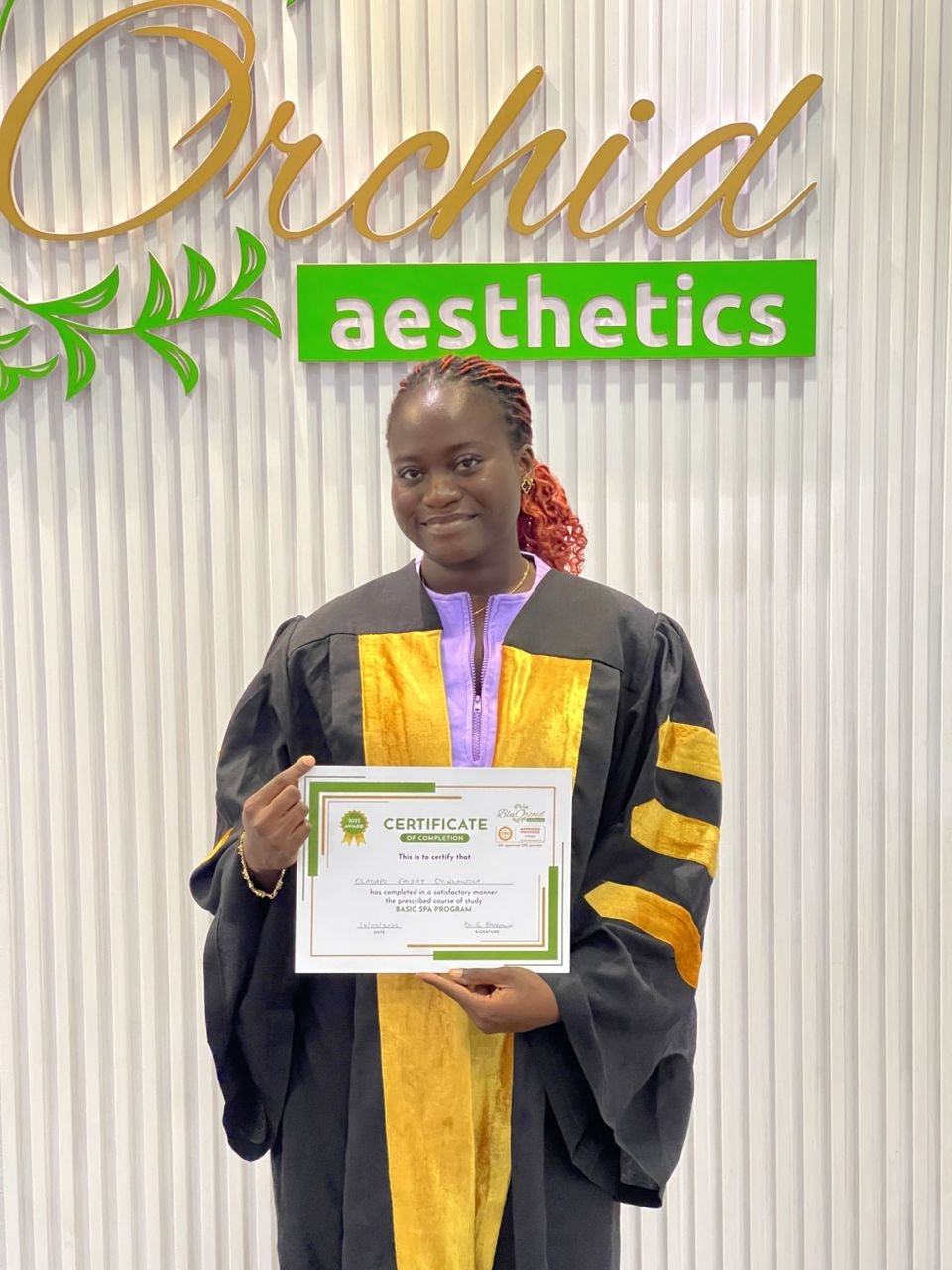
Aesthetic medicine is growing rapidly in Nigeria. More doctors are adding injectables, skin treatments, facial profiling and other aesthetic procedures to their practices, while dedicated aesthetic clinics are becoming increasingly common.
But there is an important distinction between learning an aesthetic procedure and being legally entitled to practise medicine.
A certificate from an aesthetics training course does not, by itself, make someone legally authorised to practise medicine in Nigeria.
For anyone considering a career in aesthetic medicine, the first question should not be, “Which Botox or filler course should I take?”
It should be:
“What am I legally qualified and licensed to do?”
The answer depends on your professional status, your registration with the relevant regulatory body, the nature of the procedure you intend to perform and, where you are operating a clinic, the regulatory requirements for the facility itself.
This guide explains the framework practitioners should understand before entering aesthetic medicine in Nigeria.
Important: Regulatory requirements can change, and individual circumstances can differ. This article is an educational guide, not legal advice. Practitioners should confirm their current status and scope of practice directly with the relevant regulatory bodies before offering aesthetic services.
Is aesthetic medicine separately licensed in Nigeria?
There is an important point that is often misunderstood.
There is not a single standalone licence called an “aesthetic medicine licence” that replaces the professional licence required to practise medicine.
For doctors, the core legal framework comes through the Medical and Dental Council of Nigeria (MDCN) and the Medical and Dental Practitioners Act.
The MDCN regulates the medical profession in Nigeria, including registration, professional standards and licensing. Its guidance makes clear that registration is necessary for medical practice, but registration alone is not sufficient: a practitioner must also hold the appropriate current practising licence.
This distinction matters enormously in aesthetics.
An aesthetic course can provide additional knowledge and practical skills.
It does not replace the legal foundation required to practise medicine.
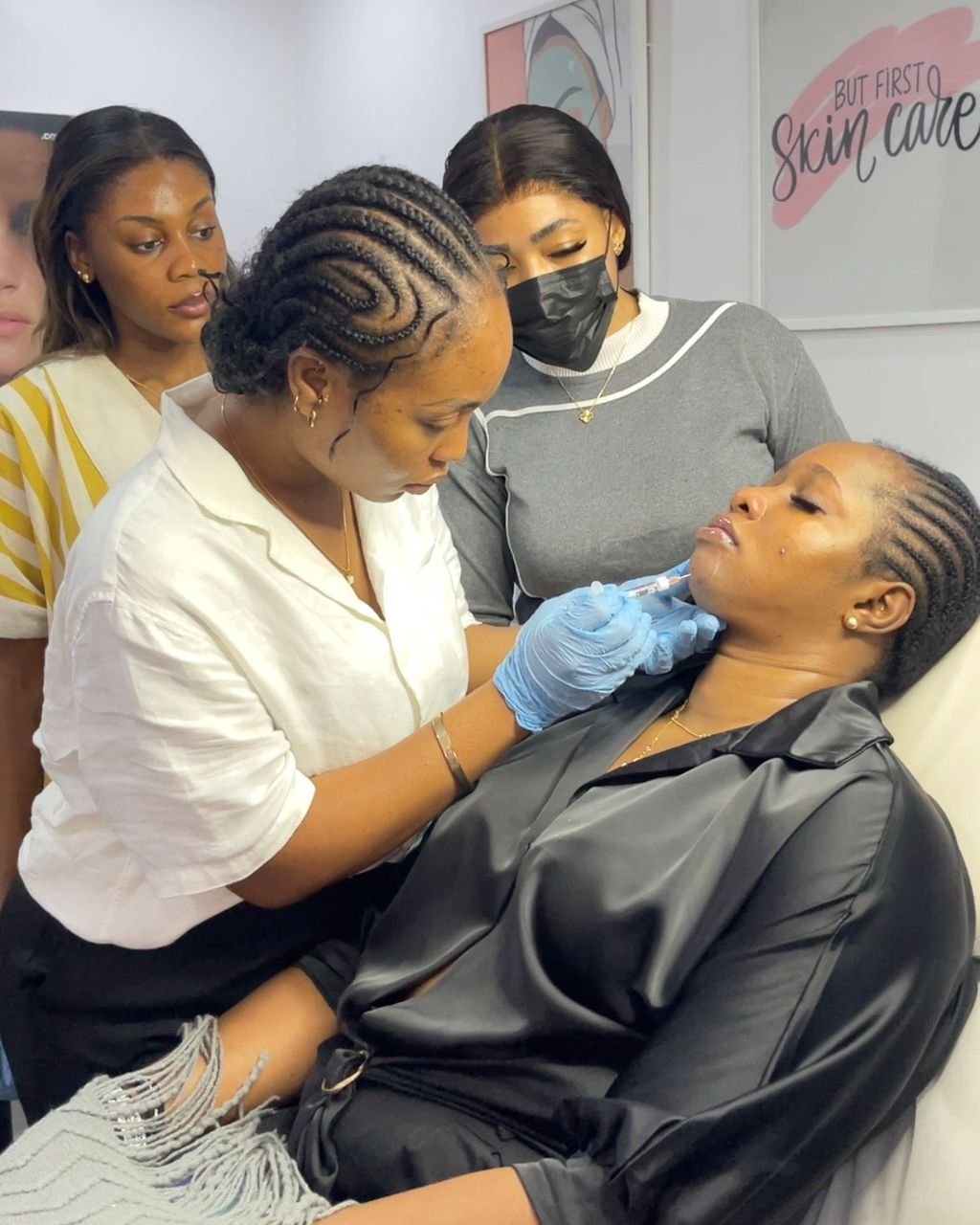
Who can legally practise aesthetic medicine?
The first consideration is your existing professional qualification.
Doctors
A doctor who intends to practise aesthetic medicine must first be legally entitled to practise medicine in Nigeria.
That means appropriate registration with the MDCN and a current annual practising licence.
The Council states that registered doctors must pay the prescribed practising fee and maintain their licence in order to practise. Practising without the required current licence is an offence.
For a newly qualified Nigerian doctor, the route generally involves medical education, provisional registration, housemanship and the requirements for full registration before independent medical practice.
The MDCN states that newly graduated doctors are required to complete the prescribed housemanship training to become eligible for full registration.
A doctor can then develop additional competence in aesthetic medicine through appropriate education and supervised practical training.
Nurses and other healthcare professionals
This is where practitioners need to be particularly careful.
Having a healthcare qualification does not automatically mean that a person can perform every aesthetic procedure.
Your professional regulator, registration status, training, scope of practice and the specific procedure all matter.
The question is therefore not simply:
“Are you a healthcare professional?”
It is:
“Does your professional registration and scope of practice permit you to perform this particular procedure?”
Anyone considering offering injectables or other medical aesthetic procedures should confirm this with their relevant professional regulator rather than relying on a training provider’s interpretation.
This is especially important because the legal and professional position can differ between procedures and professional categories.
What does MDCN registration mean for an aesthetic doctor?
For a doctor, MDCN registration establishes the professional foundation for lawful medical practice.
The Council maintains registers of practitioners entitled to practise and regulates professional standards under the Medical and Dental Practitioners Act.
But there are several different concepts that should not be confused:
- Medical qualification
- MDCN registration
- Full registration
- Annual practising licence
- Additional qualifications
- Specialist registration
They are not interchangeable.
1. Medical qualification
A recognised medical degree is the foundation.
But holding an MBBS or equivalent qualification does not, by itself, mean that someone can immediately practise independently.
2. Registration
The practitioner must be appropriately registered with the MDCN.
3. Full registration
Doctors who have completed the applicable requirements must obtain full registration before independent medical practice.
The MDCN’s registration guidance states that doctors who have completed internship training must obtain full registration before further medical practice.
4. Annual practising licence
A doctor must maintain a current annual practising licence.
This is not a one-time requirement.
The MDCN states that practitioners must renew their practising licence annually, with current guidance requiring evidence of continuing professional development.
5. Additional qualifications
If a doctor obtains a postgraduate or other professional qualification that is relevant to an area of medicine, that qualification may need to be registered with the MDCN.
The Council specifically states that practitioners cannot present themselves as specialists without an appropriate specialist qualification that is registrable with the Council and registered accordingly.
This creates an important distinction between saying:
“I have completed an aesthetics course.”
and saying:
“I am a recognised specialist in a particular medical specialty.”
Those statements do not carry the same regulatory meaning.
Does an aesthetics certificate make you a doctor?
No.
This is one of the most important principles for anyone entering the industry.
An aesthetics certificate can demonstrate that you completed a particular course or training programme.
It does not:
- confer a medical degree;
- create MDCN registration;
- create an annual practising licence;
- automatically expand your professional scope of practice;
- make you a medical specialist;
- replace the legal requirements for operating a health facility.
A training provider should therefore never be treated as a substitute for a professional regulatory body.
Training gives you education. Your professional regulator determines your legal professional status.
Academy at BluOrchid Aesthetics, Lagos
Do you need specialist registration to practise aesthetic medicine?
This question requires some nuance.
A doctor does not become a recognised medical specialist simply because they complete a short aesthetic medicine course.
The MDCN’s guidance distinguishes between being registered as a medical practitioner and being recognised as a specialist. A practitioner who wishes to be recognised and practise as a specialist in a specialised area must satisfy the Council’s requirements for specialist registration.
Therefore, practitioners should be careful about professional titles and claims.
Completing an aesthetic course does not automatically entitle someone to market themselves as an MDCN-recognised specialist in a specialty.
When in doubt, use an accurate description of your actual professional qualification and training.
What about Botox and dermal fillers?
Botulinum toxin injections and dermal fillers are not simply beauty treatments because they are performed for cosmetic purposes.
They involve clinical assessment, patient selection, informed consent, injection technique, product selection, complication management and clinical decision-making.
For that reason, anyone considering offering injectable aesthetics should first establish whether they are legally permitted to perform the procedure under their professional registration and scope of practice.
This is also why hands-on training matters.
A certificate showing that you attended a one-day or weekend course does not automatically establish competence to independently assess patients, inject safely or manage complications.
What training should an aesthetic practitioner have?
Once the legal professional foundation is established, the next question is competence.
A responsible aesthetic training pathway should cover more than simply learning where to place a needle.
At minimum, practitioners should develop knowledge and practical competence in areas such as:
Anatomy
Understanding facial anatomy is fundamental to injectable aesthetics.
A practitioner should understand the structures being treated and, importantly, the structures that must be avoided.
Patient assessment
Aesthetic medicine begins with assessment.
The practitioner should understand the patient’s concern, medical history, expectations, contraindications and suitability before recommending a procedure.
Treatment planning
The goal should not be to inject because a product is available.
The practitioner should understand why a particular treatment is being considered and whether another approach would be more appropriate.
Injection technique
Technical training should include appropriate preparation, injection principles, aseptic technique and safe handling of the products and equipment being used.
Complication recognition and management
This is one of the most important differences between watching an online demonstration and receiving proper clinical training.
Practitioners need to understand what can go wrong, how to recognise warning signs and what to do when a complication occurs.
Consent and documentation
Clinical records, informed consent, treatment documentation and appropriate follow-up form part of responsible practice.
Product knowledge
Practitioners should know what they are using, where it came from, how it should be stored and how it should be used.
Training should never encourage practitioners to treat product sourcing as an afterthought.
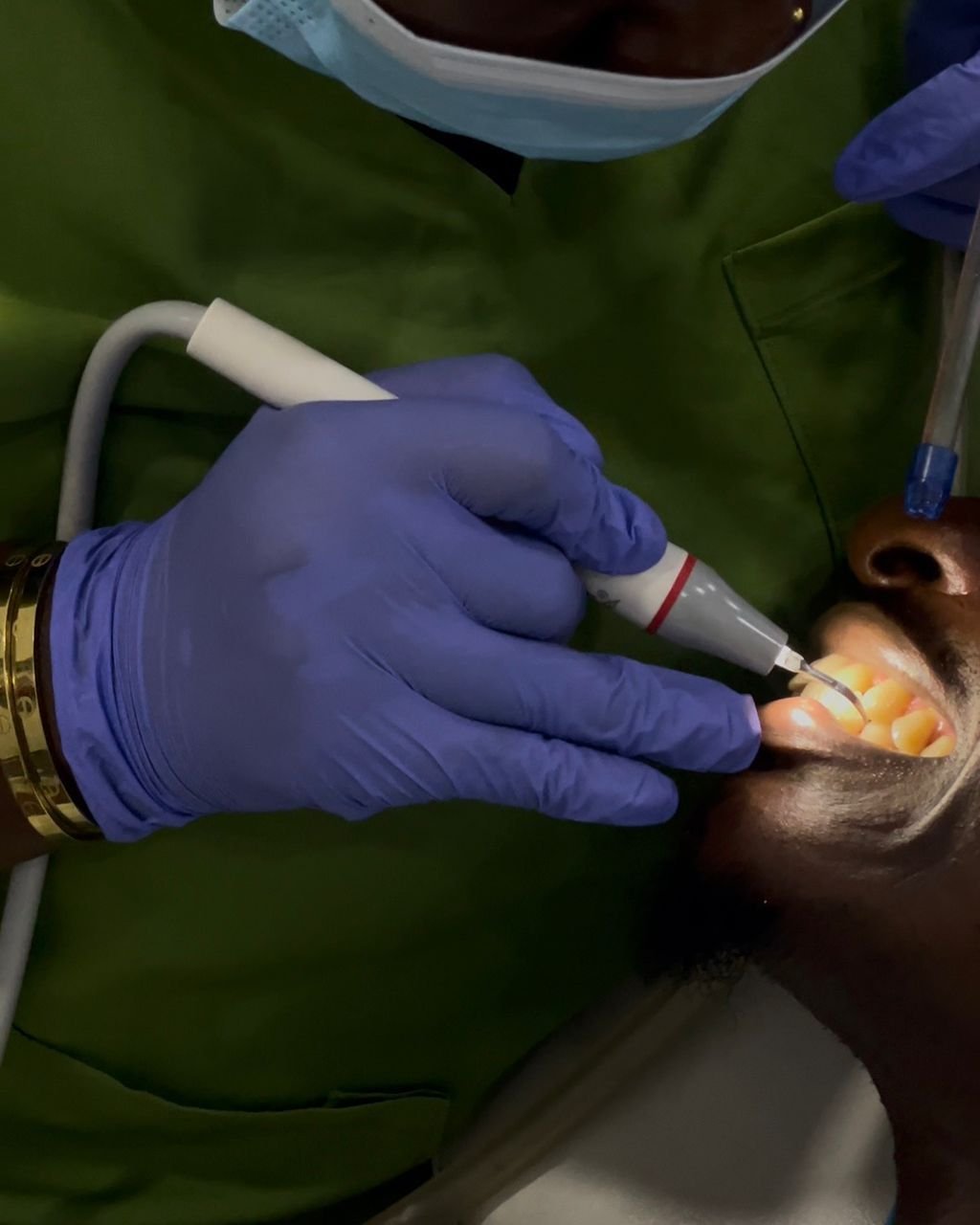
Can you practise aesthetics after completing an online course?
Completing an online course and being legally permitted and clinically competent to perform a procedure are two different things.
Online education can be useful for theory.
It can help practitioners study:
- anatomy;
- consultation principles;
- treatment concepts;
- product knowledge;
- business systems;
- complication theory.
But injectable procedures are hands-on clinical skills.
A practitioner needs appropriate practical training and supervised experience before independently performing procedures on patients.
This is one reason a serious aesthetics education pathway should not be built entirely around watching videos.
Do aesthetic clinics need their own registration?
Yes.
The practitioner’s licence and the facility’s registration are separate matters.
In Lagos State, health facilities are regulated by the Health Facility Monitoring and Accreditation Agency (HEFAMAA).
HEFAMAA states that health facilities in Lagos must be registered and that operating a health facility on premises that have not been registered is not authorised.
This means there are two different questions:
Is the practitioner legally entitled to practise?
and
Is the facility legally authorised to operate?
Both matter.
What does HEFAMAA registration involve?
The exact requirements depend on the type of facility and its services.
For a private clinic, HEFAMAA sets requirements covering areas such as:
- appropriate consulting and treatment rooms;
- handwashing facilities;
- medical waste management;
- sharps disposal;
- environmental and safety standards;
- appropriate staffing;
- an operating medical practitioner.
HEFAMAA’s private clinic requirements specifically identify a medical practitioner in charge, a registered nurse or midwife and other required personnel as part of the minimum staff complement.
The agency also requires documentation for facility registration, including corporate registration, tax documentation, relevant professional documentation and credentials for medical staff.
A clinic should therefore not assume that registering the business with the Corporate Affairs Commission is the same thing as registering the healthcare facility.
They are different requirements.
Can a non-medical person own an aesthetics clinic?
Ownership and clinical practice are not necessarily the same thing.
HEFAMAA’s guidance indicates that a non-medical professional may own a healthcare facility provided the facility has a qualified medical practitioner serving as the operating officer and meeting the applicable requirements.
But ownership does not give the owner the right to personally perform medical procedures.
A business owner can build the business.
The clinical work must still be performed by appropriately qualified and authorised professionals.
Academy at BluOrchid Aesthetics, Lagos
What about imported Botox, fillers and other products?
Product sourcing is another area where practitioners need to be careful.
A legitimate aesthetic practice should be able to identify what product is being used, its source and its appropriate regulatory status.
Practitioners should not treat social-media sellers, informal distributors or unusually cheap products as equivalent to legitimate medical supply channels.
This is not simply about protecting the clinic’s reputation.
It is about knowing what is being placed into a patient’s body.
Where medicines or regulated medical products are involved, practitioners should confirm applicable requirements with the relevant Nigerian regulatory authority, including NAFDAC where applicable.
What documents should an aesthetic practitioner have?
A responsible practitioner should be able to demonstrate the professional foundation behind their practice.
Depending on their professional category and circumstances, this may include:
- recognised primary professional qualification;
- professional registration;
- current practising licence;
- evidence of relevant additional training;
- registered additional qualifications where applicable;
- continuing professional development;
- professional indemnity arrangements;
- appropriate clinical records and consent documentation.
The exact requirements differ according to the practitioner’s profession and the services being provided.
The principle is simple:
Every procedure you offer should sit on top of a legitimate professional foundation.
Aesthetic medicine is not just about learning procedures
There is a temptation to think of aesthetics as a collection of profitable procedures:
Botox.
Fillers.
Threads.
Skin treatments.
Body treatments.
But practising responsibly requires a broader clinical framework.
A practitioner must know when not to treat.
They must know how to assess a patient.
They must know when a concern requires referral.
They must recognise complications.
They must understand their limits.
And they must know when another practitioner or specialist is better placed to manage the patient.
That is why the strongest aesthetic practitioners build their careers around clinical judgement, not just technical procedures.
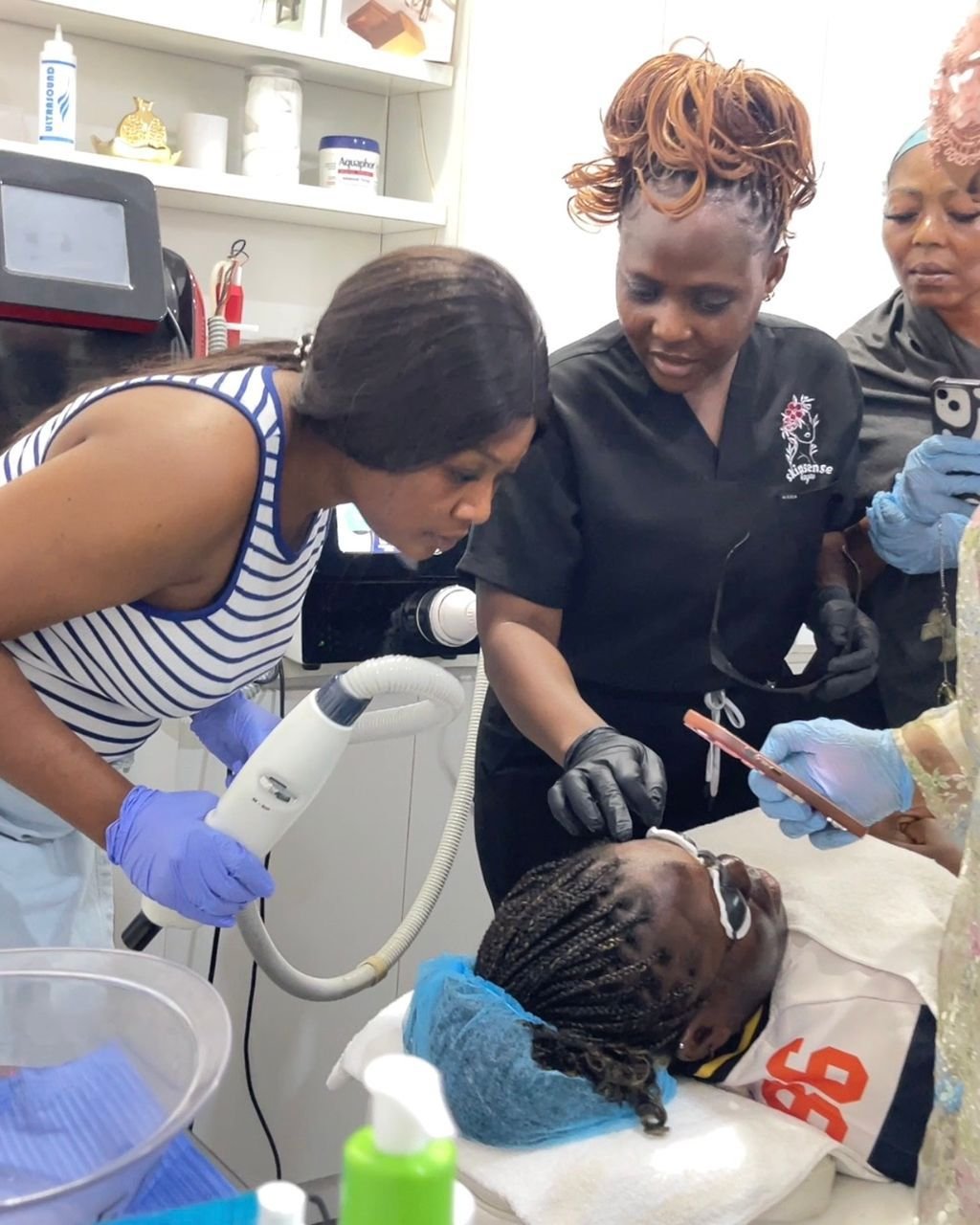
A practical legal and professional checklist
Before beginning aesthetic practice in Nigeria, work through this checklist.
Step 1: Confirm your professional foundation
Are you a doctor, nurse or another regulated healthcare professional?
Confirm what your regulator permits you to do.
Step 2: Confirm your registration
Make sure your professional registration is current and appropriate to your intended practice.
Step 3: Confirm your practising licence
For doctors, ensure your MDCN annual practising licence is current.
The MDCN currently states that practising without a current annual licence is an offence.
Step 4: Get appropriate aesthetic training
Choose training that matches your professional background and the procedures you intend to offer.
Do not select a course simply because it offers a certificate.
Step 5: Get hands-on experience
Clinical skills should be developed through appropriate practical training and supervision.
Step 6: Understand complications
Do not begin injectable practice without understanding the complications associated with the procedures you intend to perform and the appropriate escalation pathways.
Step 7: Confirm your facility requirements
If you are opening a clinic, determine which HEFAMAA category applies to the facility and complete the applicable registration process.
Step 8: Verify your products and suppliers
Know what you are purchasing, who supplied it and whether the relevant regulatory requirements have been met.
Step 9: Put clinical systems in place
Build systems for:
- consultation;
- medical history;
- consent;
- treatment records;
- photography where appropriate;
- aftercare;
- follow-up;
- complication management;
- referrals.
Step 10: Keep learning
Aesthetic medicine changes quickly.
Good practitioners continue to develop their knowledge, technical skills and clinical judgement throughout their careers.
The biggest mistake aspiring aesthetic practitioners make
It is easy to start with the procedure.
I want to learn Botox.
I want to learn fillers.
I want to open an aesthetics clinic.
But the safer sequence is:
Professional foundation → legal registration → appropriate training → supervised practice → clinical systems → ongoing development.
The procedure comes after the foundation.
Not before it.
What should you look for in an aesthetics training programme?
If you are already professionally eligible to pursue aesthetic training, evaluate the programme carefully.
Ask:
- Who is teaching?
- What is the instructor’s professional background?
- Is the training hands-on?
- How much supervised practical experience is included?
- Is facial anatomy taught in sufficient depth?
- Is patient assessment covered?
- Are complications taught?
- Is there supervised injecting?
- What happens after the course?
- Is there mentorship?
- Does the programme clearly state who is eligible?
- Does it distinguish education from professional licensure?
A good course should make the limits of the training clear.
It should not imply that a certificate automatically gives someone a new professional licence or scope of practice.
Where BluOrchid Academy fits
At BluOrchid Academy, aesthetic education sits within that broader professional framework.
The goal is not simply to teach someone how to perform a procedure.
The goal is to develop the knowledge, practical understanding and clinical thinking required to approach aesthetic medicine responsibly.
For beginners, the Beginners Aesthetics Course is designed as an entry point into the field.
For eligible healthcare professionals seeking more advanced injectable training, the Aesthetic Injector Program focuses on advanced facial profiling and injectable aesthetics.
Training does not replace professional registration or regulatory requirements.
Instead, it should build on the professional foundation you already have.
Frequently asked questions
Can anyone become an aesthetic practitioner in Nigeria?
Not everyone can legally perform medical aesthetic procedures simply by completing an aesthetics course.
Eligibility depends on your professional background, registration, scope of practice, the procedure involved and the applicable regulatory requirements.
Do I need an MBBS to work in aesthetics?
Not every role within the aesthetics industry requires an MBBS.
However, the legal ability to perform medical procedures depends on your professional qualification, registration and scope of practice. You should confirm the position with the regulator governing your profession.
Can a certificate in Botox allow me to inject patients?
A Botox certificate does not, by itself, create a medical licence or expand your professional scope of practice.
Your underlying professional registration and the rules governing your profession remain important.
Do doctors need an MDCN licence to practise aesthetic medicine?
Yes. A doctor practising medicine in Nigeria must meet the applicable MDCN registration and licensing requirements. The MDCN states that registration alone is not sufficient and that practitioners must maintain the appropriate practising licence.
Can I open an aesthetics clinic without being a doctor?
Business ownership and clinical practice are different issues.
In Lagos, HEFAMAA’s guidance allows a non-medical person to own a healthcare facility where the required qualified medical practitioner serves as the operating officer. However, ownership does not authorise the owner to personally perform medical procedures.
Does my aesthetics certificate make me a specialist?
No.
An aesthetics training certificate should not be confused with specialist recognition by the MDCN.
The Council has specific requirements for recognition and registration of specialists.
Do aesthetic clinics in Lagos need HEFAMAA registration?
Health facilities operating in Lagos State are required to register with HEFAMAA. The applicable facility category and requirements depend on the nature of the establishment and services offered.
Is online aesthetics training enough?
Online learning can be useful for theoretical education, but it should not be treated as a substitute for appropriate hands-on clinical training, particularly for injectable procedures.
What is the first step if I want to enter aesthetic medicine?
Start by identifying your professional category and confirming what you are legally permitted to practise.
Then choose training that is appropriate for your professional background and intended scope.
Do not start with the certificate.
Start with the law.
Ready to Build Your Aesthetic Career?
A strong career in aesthetic medicine is built on more than learning procedures.
It requires a professional foundation, appropriate training, sound clinical judgement and a commitment to practising within the law.
If you are considering aesthetic training and want to understand which pathway is appropriate for your background, explore the BluOrchid Academy or speak with the team about the available training pathways.
Have a question about your pathway? Book a Consultation.
The Beginners Aesthetics Course is where this training actually happens.
Hands-on training at the BluOrchid clinic in Lekki Phase 1, Lagos, taught by the doctors who treat patients there every week. Course fee ₦800,000.
See the Beginners Aesthetics Course Small cohorts. Live models. Certificate on completion.