How to Get Aesthetic Clients After Training
Learn how to get aesthetic clients after training, build trust, market your services and turn your first enquiries into lasting relationships.

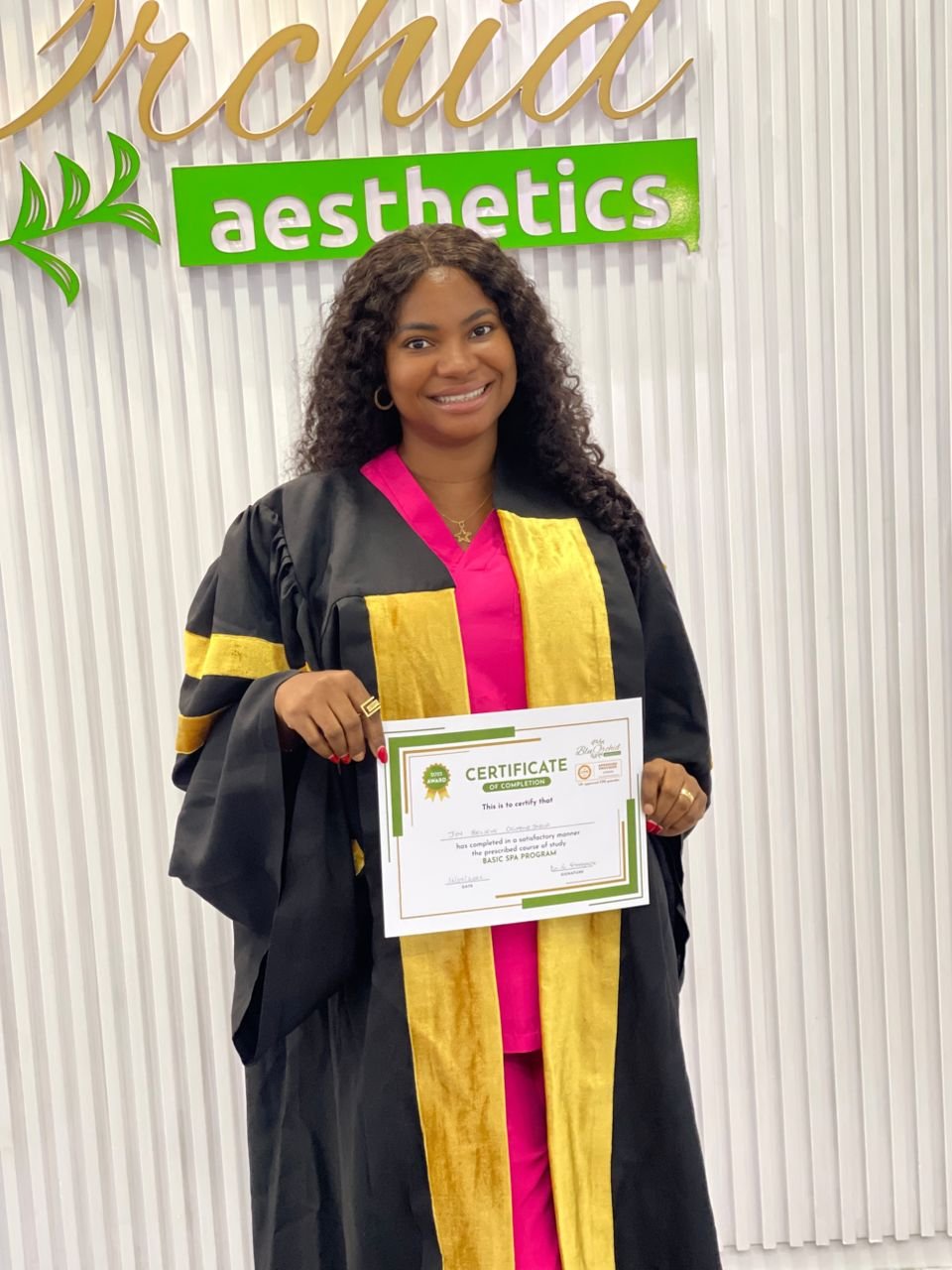
Completing your aesthetics training is an important milestone.
But it is not the end of the journey.
For many new practitioners, the more difficult question comes afterwards:
How do I actually get clients?
You may have completed your course, developed new technical skills and received your certificate. You may even feel confident about the treatments you want to offer.
Yet none of that automatically creates a client base.
Building one requires something different: the ability to communicate your expertise, earn trust, create a professional patient experience and consistently put your services in front of the right people.
The good news is that you do not need thousands of followers to begin.
You need a clear foundation and a deliberate approach to building trust.
Start with a clear professional position
One of the easiest mistakes for a new aesthetic practitioner to make is trying to offer everything to everyone.
Your Instagram bio says you do injectables, facials, body contouring, skincare, weight management and perhaps several other services.
From a client’s perspective, it can become difficult to understand what you actually specialise in.
Instead, start by defining your professional position.
Ask yourself:
- Who do I want to treat?
- Which treatments am I appropriately trained and qualified to provide?
- What type of aesthetic concerns do I want to become known for?
- Where will I practise?
- What makes my approach different?
- What level of patient experience do I want to provide?
You can expand your services as your experience and professional scope develop.
But your marketing should make it easy for someone to understand why they should come to you.
Do not market the certificate. Market the expertise behind it.
A certificate may demonstrate that you completed a course.
It does not, by itself, give a prospective patient a reason to trust you with their face or body.
Patients want to know:
Do you understand what I need?
Will you listen to me?
Will you recommend what is appropriate rather than simply sell me a treatment?
Will you recognise when a treatment is not suitable?
Will I feel safe in your care?
That means your content should demonstrate how you think, not simply tell people what treatments you offer.
Explain the concerns you treat.
Talk about consultations.
Explain how treatment decisions are made.
Discuss appropriate aftercare.
Answer common questions.
Explain why two people with seemingly similar concerns may receive different recommendations.
This is how educational content begins to become a trust-building asset.
Build your professional presence before you need it
You do not need to wait until you have a full diary before building your online presence.
Create a professional foundation that allows someone who hears about you to investigate further.
At minimum, consider having:
A professional social media profile
Use a clear professional name, photograph and description of what you do.
Your profile should quickly communicate:
- Your professional background
- Your location
- Your area of practice
- The services you offer
- How prospective clients can enquire or book
A simple booking process
Do not make someone send five messages just to discover how to book.
Have a clear path from interest to enquiry.
Depending on your practice model, this might involve a booking form, consultation request, phone contact or another appropriate process.
A professional website or landing page
As your practice develops, your website can become the central place where prospective clients learn about you.
It can answer questions that social media cannot easily accommodate and provide more detailed information about your services, approach and professional background.
Use educational content to earn attention
One of the most effective ways for a new practitioner to build visibility is to answer questions that prospective patients are already asking.
You do not need to become a full-time content creator.
Instead, build content around genuine patient questions.
For example:
- Is Botox right for everyone?
- What is the difference between Botox and dermal fillers?
- What happens during an aesthetic consultation?
- How do I know whether I need filler?
- What should I ask before choosing an injector?
- What should I expect after treatment?
- When should an aesthetic practitioner refuse treatment?
- How do I prepare for an injectable treatment?
- What makes facial enhancement look natural?
These subjects demonstrate knowledge without requiring you to constantly promote yourself.
The objective is not simply to generate views.
It is to become a practitioner people remember when they eventually decide they want treatment.
Let your content show how you think
There is a difference between educational content and advertising disguised as education.
A post that says:
“Book your Botox appointment today.”
does very little to demonstrate expertise.
A post explaining how a practitioner assesses facial movement, proportions and the patient’s goals before deciding whether Botox is appropriate creates a much stronger impression.
The second approach gives prospective patients something useful.
It also allows them to see how you approach treatment.
That distinction matters in aesthetics because trust is part of the buying decision.
Start with your existing network
Your first clients do not necessarily need to come from strangers on the internet.
Think about the professional and personal network you already have.
Depending on your circumstances, this might include:
- Existing healthcare contacts
- Beauty professionals
- Hair stylists
- Makeup artists
- Dermatology or wellness professionals
- Photographers
- Fitness professionals
- Former colleagues
- Friends and family
- Local business owners
- Professional associations
This does not mean pressuring people you know to become patients.
Instead, make it clear what you do and create appropriate professional relationships with people who may naturally encounter individuals interested in your services.
A good referral relationship is based on trust and professionalism, not simply exchanging contacts.
Build referral relationships carefully
Aesthetic patients often ask other professionals for recommendations.
Someone might ask their hairstylist about skin concerns.
A bride may ask her makeup artist about preparing for an event.
A fitness professional may have clients interested in body-related aesthetic treatments.
These professionals can become valuable sources of referrals when there is a genuine fit.
But protect the quality of your reputation.
Do not promise commissions, outcomes or reciprocal referrals unless such arrangements are appropriate and lawful in your professional context.
Your reputation is an asset.
Treat it accordingly.
Make the consultation part of your marketing
Your consultation is not simply an administrative step before treatment.
It is an opportunity to demonstrate your standard of care.
A prospective patient should be able to understand:
- What they are concerned about
- What they hope to achieve
- What you believe is appropriate
- What may not be appropriate
- What alternatives exist
- What the treatment involves
- What the relevant risks and limitations are
- What the next step should be
Sometimes the most trust-building recommendation is not to proceed with a particular treatment.
That is part of being a professional.
A client who feels that you are assessing their needs rather than simply trying to sell a procedure is more likely to develop confidence in your practice.
Your first clients should become relationships, not transactions
Aesthetic medicine is rarely a one-time interaction.
Patients may return for maintenance, additional treatments or entirely different concerns over time.
That makes the experience after the appointment important.
Have a professional process for:
- Treatment instructions
- Appropriate follow-up
- Answering questions
- Recording relevant information
- Scheduling future appointments
- Managing concerns
- Maintaining appropriate patient communication
A good patient experience can become one of the strongest foundations for sustainable practice.
Ask for reviews ethically
Reviews can help prospective clients understand what it is like to interact with your practice.
But never manufacture them.
Do not write reviews for clients.
Do not create fictional patient experiences.
Do not pressure someone into giving a particular rating.
Instead, where appropriate, invite genuine patients to share honest feedback about their experience.
Also remember that patient confidentiality matters.
Do not disclose identifiable patient information simply because you have received a positive review.
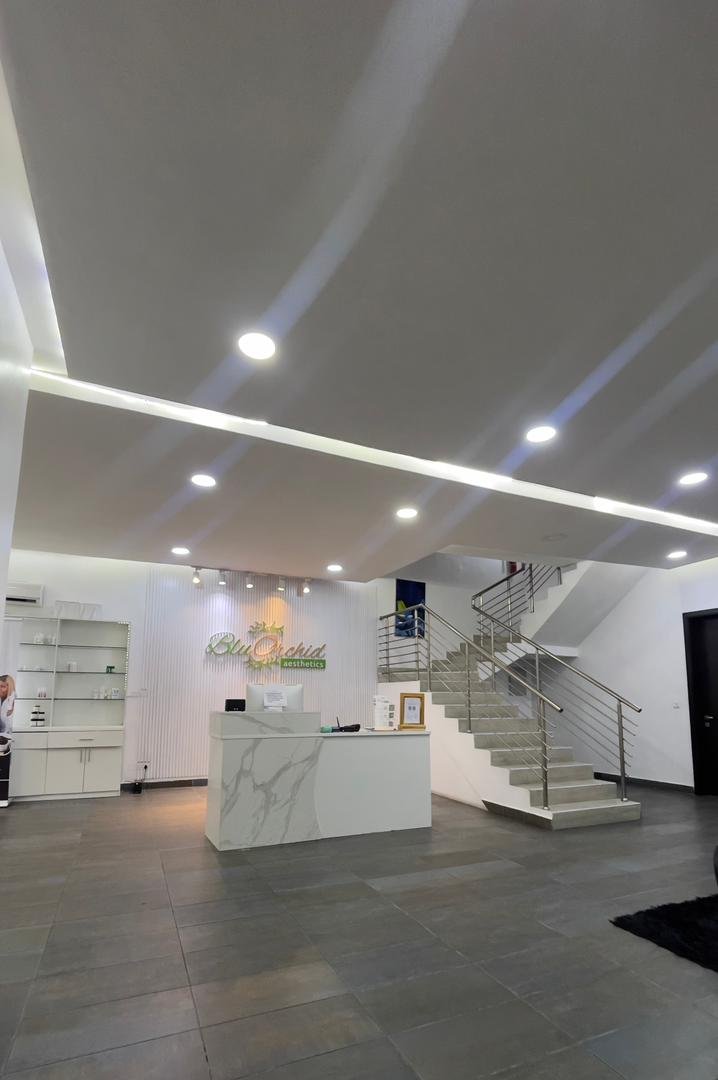
Academy at BluOrchid Aesthetics, Lagos
Build proof gradually
When you are new, you may not have years of testimonials, hundreds of reviews or a large portfolio.
That is normal.
Do not compensate by exaggerating your experience.
Build proof honestly over time.
Your professional qualifications, training, educational content, appropriate patient feedback and documented work can all contribute to your reputation.
If you use before-and-after imagery, ensure that you have the appropriate documented consent and follow the professional and regulatory requirements applicable to your practice.
Trust is difficult to build and very easy to damage.
Use social media strategically
You do not need to publish everything.
Choose a small number of content categories that support your positioning.
For example:
Education
Explain treatments, concerns, preparation, aftercare and common misconceptions.
Your approach
Show prospective patients how you assess concerns and make treatment decisions.
Professional credibility
Discuss your training, continued education and areas of expertise.
Patient experience
Where appropriate and with proper consent, share genuine patient experiences and feedback.
Your practice
Show the environment, standards and experience you are building.
The goal is to create a profile that feels coherent.
Someone should be able to spend a few minutes looking through your content and understand what kind of practitioner you are.
Do not chase every marketing trend
A new practitioner can easily become distracted by every new platform, content format and advertising strategy.
You do not need all of them.
Start with the channels where your prospective clients actually spend time.
For many aesthetic practices, that may include Instagram and other social platforms, local search, referrals and a professional website.
Choose a manageable system.
Consistency is more useful than creating a complicated marketing plan that you cannot maintain.
Consider paid advertising only when the foundation is ready
Advertising can put your practice in front of more people.
But advertising does not solve a weak offer or a lack of trust.
Before spending significantly on paid traffic, make sure you have:
- A clear service
- A defined audience
- A professional online presence
- A straightforward enquiry or booking process
- Good-quality information about the treatment
- A process for responding to enquiries
- A realistic understanding of your capacity
Otherwise, you may simply pay to generate enquiries that your practice is not prepared to convert.
Track where your clients come from
Once you begin receiving enquiries, start paying attention to their source.
Ask new clients how they heard about you.
You might discover that your strongest channel is not the one generating the most likes.
For example, your enquiries might come from:
- Referrals
- Existing clients
- Professional partnerships
- Events
- Your website
- Direct recommendations
Record this information.
Over time, you can identify which activities are actually producing patients rather than simply producing attention.
Do not compete purely on price
When you are new, it can be tempting to make your prices the centre of your marketing.
That can become difficult to reverse.
Patients who choose a practitioner purely because they are the cheapest may continue to compare you primarily on price.
Instead, communicate the value of your professional approach.
That includes the consultation, assessment, treatment planning, appropriate product selection, clinical standards, aftercare and overall patient experience.
Your pricing should still be appropriate for your market and your level of experience.
But your positioning should not depend entirely on being cheaper than everyone else.
Keep learning after your course
Your initial aesthetics training should not be treated as the end of your education.
Continue developing your knowledge within your professional scope.
Review your cases.
Learn from experienced practitioners.
Stay current with relevant clinical guidance.
Understand complications and when to seek appropriate help.
Continue developing your consultation and communication skills.
And be honest about the procedures you are ready to perform independently.
Confidence is useful.
Overconfidence is not.
Your first 90 days after training
Rather than trying to build a huge practice immediately, give yourself a practical first phase.
Month 1: Build the foundation
Focus on:
- Defining your positioning
- Creating your professional profiles
- Setting up your booking process
- Preparing educational content
- Building your professional network
- Making sure your practice and documentation are ready
Month 2: Build visibility
Focus on:
- Publishing consistently
- Answering common patient questions
- Developing professional referral relationships
- Collecting genuine feedback where appropriate
- Monitoring enquiries
- Improving the questions and information on your website
Month 3: Improve what is working
Look at where your enquiries are actually coming from.
Identify:
- Which services attract the most interest
- Which content generates meaningful enquiries
- Which referral relationships are useful
- Where prospective clients drop out
- Which questions clients repeatedly ask
Then improve the system rather than simply doing more of everything.
The goal is not to look busy. It is to build trust.
A new aesthetics practice does not need to look established overnight.
It needs to look credible.
That credibility comes from many small signals working together:
Your professional background.
Your training.
Your communication.
Your consultation process.
Your clinical judgement.
Your patient experience.
Your content.
Your reputation.
And, eventually, the genuine experiences of the people you have treated.
If you build those foundations properly, your client base can grow alongside your experience rather than forcing your marketing to promise more than your practice can currently deliver.
Frequently asked questions
How do I get aesthetic clients after training?
Start by establishing a clear professional position, creating a credible online presence, building referral relationships and consistently publishing useful educational content. Make it easy for interested people to understand your services and book or enquire.
How do I get my first aesthetic clients?
Your first clients may come through your existing professional network, referrals, local visibility, social media or people who discover your practice through search. Focus on building trust rather than trying to reach everyone at once.
Do I need a large Instagram following to get aesthetic clients?
No. A large following can create visibility, but follower count is not the same as a client base. A smaller audience that trusts your expertise and is relevant to your services can be more valuable.
Should I offer discounts to get my first clients?
Discounting is a business decision rather than a requirement for starting an aesthetics practice. Before reducing your prices, consider whether you can communicate your value clearly and whether the pricing is appropriate for your market and professional position.
What should I post on social media as a new aesthetic practitioner?
Educational content, treatment explanations, common patient questions, your professional approach, relevant training and genuine patient experiences where appropriate can all help demonstrate expertise.
How important are reviews for an aesthetic practice?
Genuine reviews can help prospective clients understand the patient experience. They should always reflect real experiences and should never be fabricated or manipulated.
Should I pay for aesthetic advertising immediately after training?
Not necessarily. Build your professional foundation first. Advertising can increase visibility, but it works best when the service, positioning, booking process and patient experience are already clear.
How can I get referrals from other beauty professionals?
Build genuine professional relationships with people whose clients may benefit from your services. Focus on trust, professionalism and appropriate referrals rather than simply exchanging leads.
How long does it take to build a client base?
There is no universal timeline. It depends on your location, professional background, services, reputation, marketing, capacity and the demand in your market. Focus on building a sustainable system rather than expecting an immediate full diary.
What should I do if I am not getting enough enquiries?
Look at the entire journey rather than immediately increasing your advertising. Check whether the right people are seeing your content, whether they understand your offer, whether they trust your expertise and whether the booking process is straightforward.
Can aesthetics training help me build my own practice?
Training can give you knowledge and practical skills, but building a practice requires more than completing a course. You also need to consider professional requirements, business operations, patient experience, marketing and ongoing development.
Ready to continue your aesthetics education?
Building a client base becomes easier when your training gives you more than a certificate.
The quality of your education influences how you approach patients, assess concerns, communicate treatment options and develop your professional confidence.
If you are still deciding where to begin or which aesthetics training pathway is appropriate for you, explore the BluOrchid Academy and the available training options.
If you have questions about your suitability for a particular course, you can Book a Consultation with the team.
The Beginners Aesthetics Course is where this training actually happens.
Hands-on training at the BluOrchid clinic in Lekki Phase 1, Lagos, taught by the doctors who treat patients there every week. Course fee ₦800,000.
See the Beginners Aesthetics Course Small cohorts. Live models. Certificate on completion.