Botox Certification in Nigeria: What Is Recognised
Understand what Botox and filler certificates mean in Nigeria, who can train, what to verify and why a course certificate is not a licence.

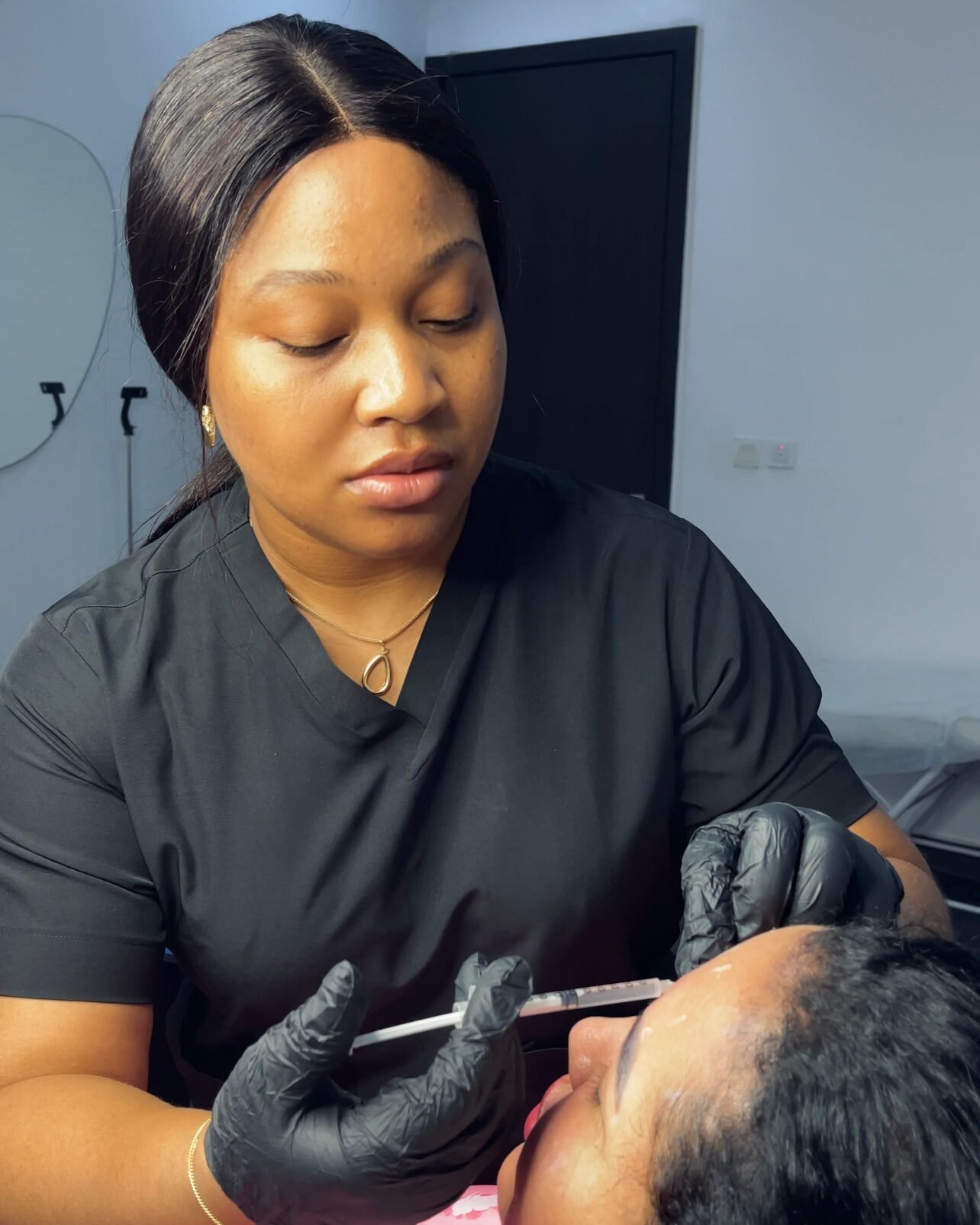
If you are researching Botox or dermal filler training in Nigeria, you will quickly discover that there are many courses offering certificates.
Some promise a certificate after a weekend. Others offer online training, international certificates, masterclasses or advanced injector programmes.
But there is an important question that is often missed:
What does the certificate actually qualify you to do?
A certificate can show that you completed a course. It does not automatically give you a medical licence, expand your professional scope of practice or make you legally entitled to inject patients.
For anyone considering a career in aesthetic medicine, understanding that distinction is one of the most important parts of choosing your training.
What does a Botox or filler certificate actually mean?
A Botox or dermal filler certificate generally confirms that you completed a particular educational or practical training programme.
Depending on the course, it may demonstrate exposure to topics such as:
- Facial anatomy
- Patient assessment
- Treatment planning
- Botulinum toxin
- Dermal fillers
- Injection techniques
- Product selection
- Complication recognition
- Aftercare
- Clinical safety
But certificates can vary significantly in quality and significance.
A certificate from a short commercial workshop is not necessarily equivalent to a structured professional training programme with supervised practical education.
More importantly, neither should be confused with the professional registration that allows a regulated healthcare professional to practise their underlying profession.
The Medical and Dental Council of Nigeria regulates medical and dental practice and has responsibility for determining the knowledge and skills of these professionals.
Is there one official Botox certification in Nigeria?
Not in the way many prospective students imagine.
There is no single standalone “Botox licence” that replaces your underlying professional registration.
The more useful question is:
Who are you professionally, what are you legally permitted to practise, and what training have you completed to perform the particular aesthetic procedures you intend to offer?
For doctors, for example, MDCN registration and a current practising licence remain fundamental to practising medicine in Nigeria. MDCN states that registration alone is not sufficient for legal medical practice and that practitioners must maintain the appropriate practising licence.
An aesthetic training certificate sits within that wider professional framework.
It does not replace it.
What should a recognised aesthetics certificate demonstrate?
When comparing Botox and filler courses, do not start with the certificate design.
Start with the training behind the certificate.
A credible programme should make it clear:
1. Who the course is designed for
This is one of the first things to check.
A course that teaches injectable aesthetics should clearly state whether it is intended for:
- Doctors
- Dentists, where appropriate to the programme and professional scope
- Nurses, where eligible and within their lawful scope
- Licensed medical aestheticians, where applicable
- Other regulated healthcare professionals
Be cautious when a course suggests that anyone can become an injector simply by completing a short training programme.
Your professional qualification and scope of practice matter before the aesthetic certificate is considered.
2. Who is teaching you
Look at the trainer’s professional background.
Ask:
- Is the trainer a qualified healthcare professional?
- Are they currently practising?
- Do they have meaningful experience in aesthetic medicine?
- Can their professional registration be verified where applicable?
- Is the training delivered by someone who actually performs the procedures being taught?
A certificate has considerably more educational value when the training itself is delivered by appropriately qualified and experienced practitioners.
3. Whether the course includes practical training
Injectables are hands-on procedures.
A course that consists entirely of videos, slides or demonstrations may introduce important concepts, but it cannot replicate supervised practical training.
For Botox and fillers, students need to understand how theory translates into real patients.
Depending on the programme, practical education may cover:
- Patient assessment
- Facial analysis
- Anatomy
- Injection planning
- Injection technique
- Product handling
- Sterile practice
- Managing unexpected responses
- Recognising complications
- Patient communication and consent
The exact practical component should be clearly explained before you enrol.
4. How much supervised practical experience is provided
“Hands-on” can mean very different things.
Ask specifically:
Will I personally perform the procedure under supervision, or will I only watch the trainer demonstrate it?
That distinction matters.
A good training provider should be transparent about the practical structure, including the amount of supervised experience and the level of support available during training.
5. What the assessment process looks like
A certificate should represent something meaningful.
Ask whether students are assessed through:
- Written assessment
- Anatomy assessment
- Practical assessment
- Case planning
- Clinical observation
- Competency assessment
A certificate issued simply for attendance is different from a qualification awarded after demonstrating knowledge and practical competence.
Neither should be misrepresented as a professional licence.
Does an international Botox certificate make you recognised in Nigeria?
Not automatically.
An international certificate may demonstrate that you completed training abroad, but it does not automatically give you the right to practise medicine or aesthetics in Nigeria.
This distinction is particularly important for practitioners returning to Nigeria after training overseas.
Your underlying professional registration and right to practise in Nigeria remain separate matters.
MDCN’s own guidance distinguishes professional registration, practising licences and additional qualifications. Its registration processes require relevant professional qualifications and supporting documentation rather than simply accepting a private training certificate as a substitute for medical registration.
So if a course advertises an “internationally recognised certificate”, ask:
Recognised by whom, for what purpose and in which jurisdiction?
Those three questions can completely change the meaning of the claim.
Academy at BluOrchid Aesthetics, Lagos
Does an online Botox course qualify you to inject patients?
Completing an online course does not, by itself, give you permission to inject patients.
Online education can be useful for theory.
You can learn about:
- Facial anatomy
- Pharmacology
- Product characteristics
- Patient assessment
- Treatment planning
- Complication recognition
- Clinical decision-making
But injectable aesthetics also involves practical skills.
For someone seeking to become an aesthetic injector, the question is not simply whether an online course gives you a certificate.
The question is whether your professional status, training, competence and scope of practice support the procedures you intend to perform.
What about certificates from beauty schools?
This requires particular caution.
Beauty and aesthetics education can cover many valuable areas, including skincare, facials, non-invasive treatments and business skills.
But a beauty qualification should not automatically be interpreted as authorisation to administer prescription medicines or perform medical procedures.
Botulinum toxin is a medical product, and aesthetic injection involves clinical assessment and risk management.
If a programme is specifically teaching Botox injections, find out exactly:
- Who is eligible to enrol?
- What professional qualification is required?
- What procedures are covered?
- Who supervises practical training?
- What is the student’s existing scope of practice?
- What does the certificate actually certify?
A professional training provider should be comfortable answering these questions.
What about dermal filler certificates?
The same principle applies.
A dermal filler certificate demonstrates completion of a particular educational programme. It does not, by itself, create a new professional licence.
Good filler training should go beyond learning where to place a needle.
A serious programme should address areas such as:
- Facial anatomy
- Facial assessment
- Product characteristics
- Treatment planning
- Injection technique
- Vascular anatomy
- Risk management
- Complication recognition
- Emergency response
- Patient consent
- Appropriate aftercare
This matters because the skill of an injector is not simply the ability to inject.
It is the ability to assess a patient, understand anatomy, make an appropriate clinical decision and respond appropriately when something does not go according to plan.
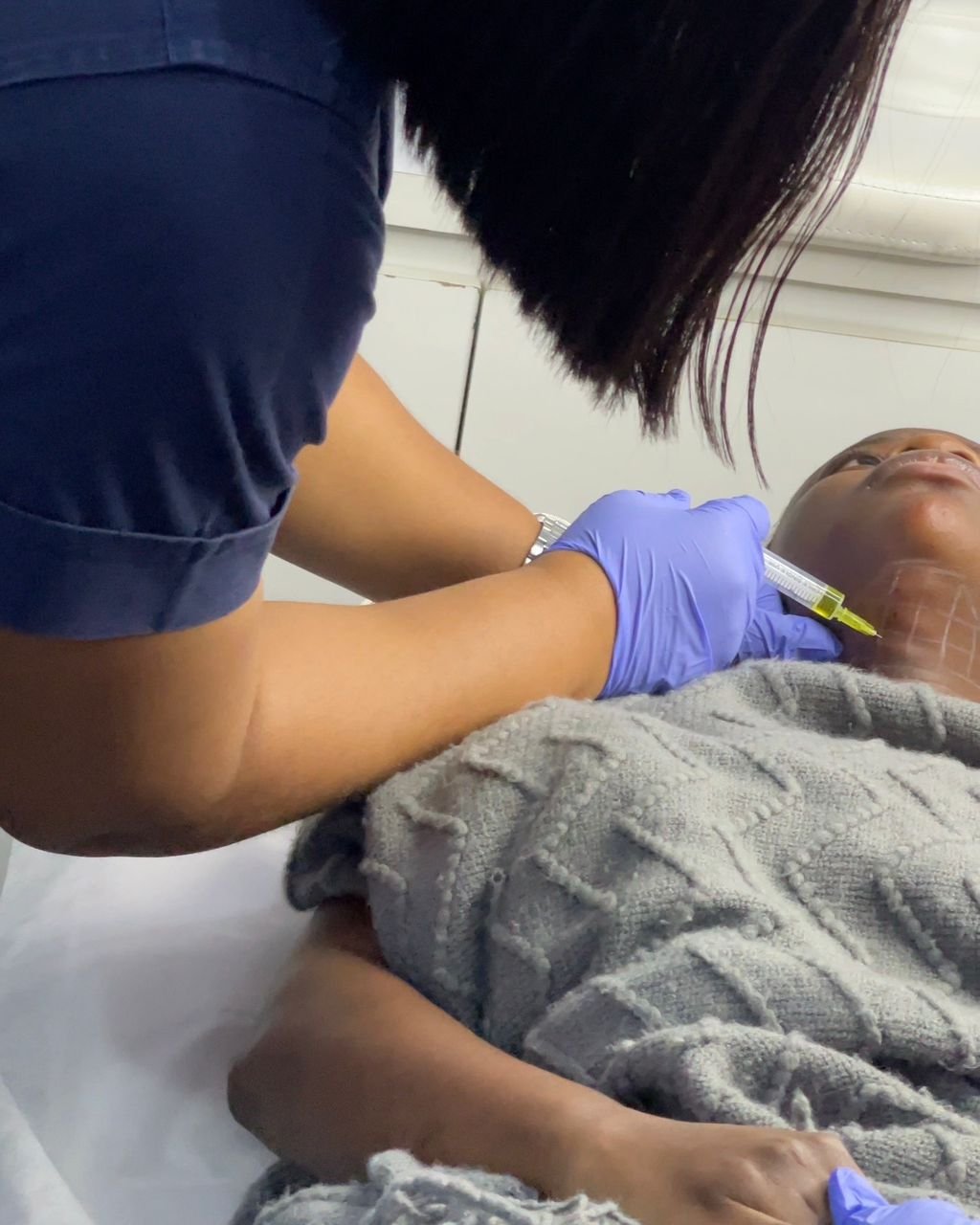
How can you check whether a training provider is credible?
Before paying for a Botox or filler course, work through this checklist.
Check 1: Verify the trainer
Find out who is teaching.
For regulated healthcare professionals, verify their professional credentials through the relevant regulatory body where applicable.
Check 2: Check the entry requirements
If a course says it is an advanced injectable programme but accepts anyone with no healthcare background, ask why.
The more medically complex the procedure, the more important appropriate entry requirements become.
Check 3: Read the curriculum
Do not enrol because the course promises a certificate.
Read what you will actually learn.
A strong curriculum should cover clinical foundations as well as technique.
Check 4: Ask about practical training
Find out whether you will actually practise under supervision.
“Live demonstration” and “hands-on training” are not the same thing.
Check 5: Ask how students are assessed
Find out what you must demonstrate before receiving the certificate.
Check 6: Ask what the certificate means
This question is worth asking directly:
“What does this certificate qualify me to do?”
A reputable provider should be able to answer without vague language.
Check 7: Verify products and suppliers
Training is only one part of safe aesthetic practice.
The products used in clinical practice also need to come from appropriate, legitimate sources.
NAFDAC regulates relevant products in Nigeria, and its regulatory systems allow regulated products and documentation to be checked.
Check 8: Look beyond the certificate
Ask what support exists after the course.
Does the academy provide:
- Mentorship?
- Further education?
- Complication training?
- Case discussions?
- Clinical support?
- Opportunities to improve technique?
A certificate may mark the end of a course.
It should not be mistaken for the end of learning.
What is the difference between a certificate, qualification and licence?
These words are often used interchangeably in aesthetic training marketing. They should not be.
Certificate
Usually confirms that you completed a particular course or training programme.
Qualification
Can refer to an educational or professional credential that demonstrates a defined level of education or competence, depending on the awarding body and regulatory framework.
Licence
Authorises a regulated professional to practise within the relevant jurisdiction and professional framework.
A Botox training certificate is not the same thing as a medical practising licence.
This distinction should be one of the first things every prospective aesthetic practitioner understands.
What should doctors look for in Botox and filler training?
For doctors, the training decision should be approached as an extension of an existing medical profession, not as a shortcut into healthcare.
Look for a programme that builds on your clinical foundation and develops competence in aesthetic assessment and treatment.
Important areas include:
- Facial anatomy
- Facial profiling
- Patient consultation
- Treatment planning
- Botox
- Dermal fillers
- Injection technique
- Product selection
- Complication management
- Patient safety
- Consent
- Clinical documentation
You should also consider whether the programme’s level matches your experience.
A beginner programme and an advanced injector programme should not be expected to provide the same depth of education.
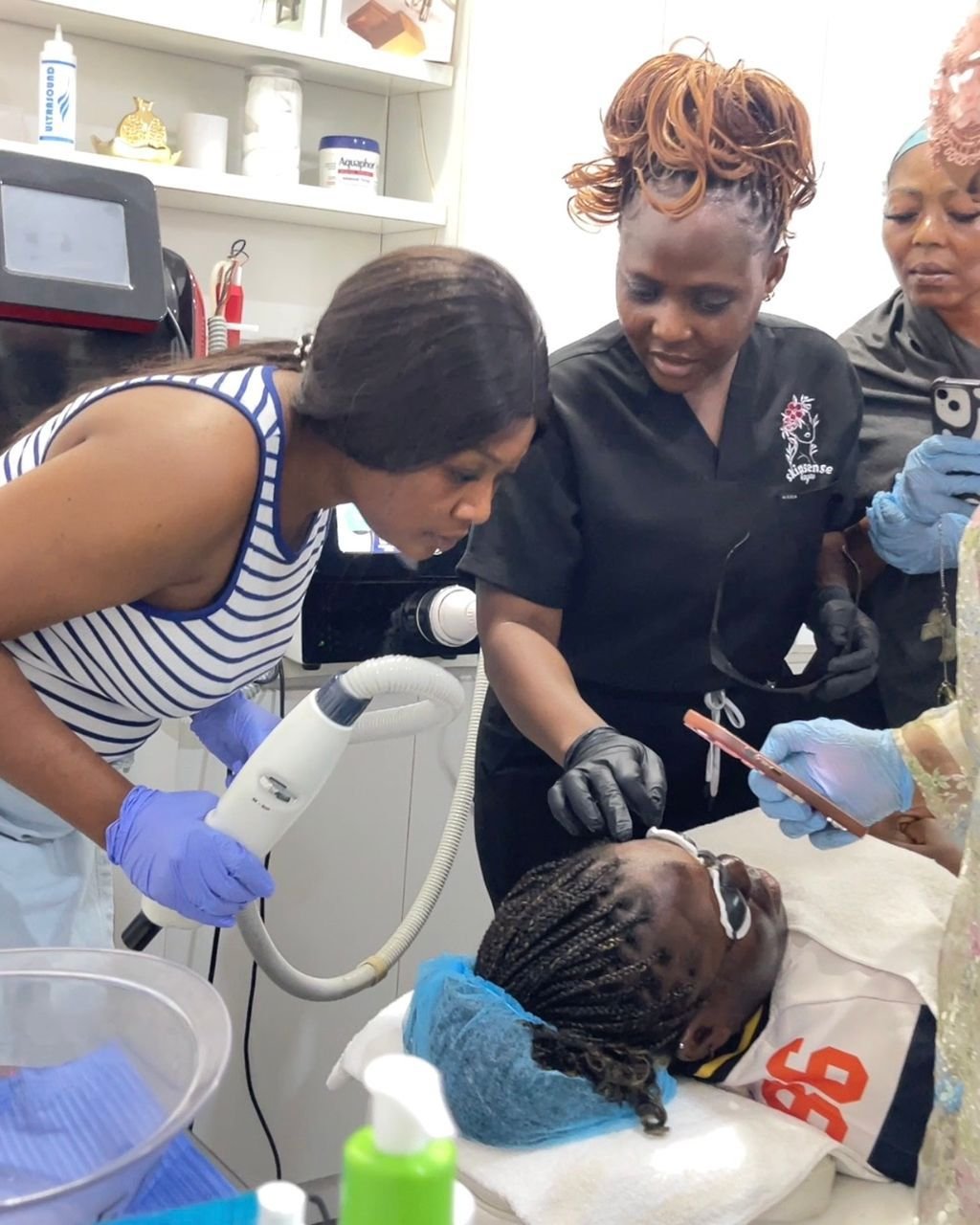
What should nurses look for?
Nurses considering aesthetic medicine should first establish that the programme accepts nurses and that the procedures taught are appropriate to their professional scope and applicable regulations.
The same principles apply:
Your existing professional status comes first. The aesthetic certificate comes after.
A good programme should be transparent about eligibility rather than implying that completing the course automatically expands a nurse’s legal scope of practice.
What should you avoid?
Be cautious of training providers that make claims such as:
- “Become a certified injector in one day”
- “No medical background required”
- “International certificate = licence to practise”
- “Guaranteed income after certification”
- “Anyone can inject after this course”
- “No experience needed to start your clinic”
The problem is not simply that these claims may be exaggerated.
They can create a dangerous misunderstanding about the relationship between education, professional competence and legal authority to practise.
So, what Botox certification is actually worth pursuing?
Look for training that has substance behind the certificate.
That means:
Appropriate eligibility → qualified trainers → structured curriculum → anatomy and clinical education → supervised practical training → assessment → complication management → ongoing development.
The certificate should be the documentation of that training, not the entire value proposition.
And if you are already a regulated healthcare professional, your professional registration and practising status remain fundamental.
Botox and Filler Training at BluOrchid Academy
For healthcare professionals looking for structured aesthetic training in Nigeria, BluOrchid Academy offers an Aesthetic Injector Program focused on advanced facial profiling and injectable aesthetics.
The programme is designed for doctors, nurses and licensed medical aestheticians who meet the programme’s eligibility requirements.
The current programme fee is ₦2,500,000.
The important distinction is that the programme is designed as professional aesthetic education. It does not replace your underlying professional registration or practising licence.
If you are considering the programme and want to understand whether it is appropriate for your professional background, you can Book a Consultation with the BluOrchid team before enrolling.
Frequently asked questions
Is Botox certification required to practise Botox in Nigeria?
A private Botox certificate is not itself a medical practising licence. The practitioner must have the appropriate underlying professional registration and practising authority, together with suitable training and competence for the procedures they perform.
Is there a government-approved Botox certificate in Nigeria?
There is not a single standalone Botox certificate that replaces professional registration and licensure. The credibility of an aesthetic training certificate depends on the provider, curriculum, practical education, assessment and the professional status of the person receiving it.
Can a non-doctor take Botox training in Nigeria?
Some aesthetic programmes accept nurses and other eligible healthcare professionals. However, completing a course does not automatically give someone the legal authority to perform procedures outside their professional scope.
Does an international Botox certificate allow me to practise in Nigeria?
Not automatically. An international certificate may demonstrate completion of training, but it does not replace the Nigerian professional registration and licensing requirements applicable to your profession.
Is online Botox training enough?
Online education can provide theoretical knowledge, but it cannot substitute for appropriate supervised practical training where hands-on clinical competence is required.
How do I know if a Botox training course is legitimate?
Check the provider, trainers, entry requirements, curriculum, practical component, assessment process and exactly what the certificate represents. Do not rely on phrases such as “internationally recognised” without asking who recognises it and for what purpose.
What should a good filler course teach?
At minimum, serious injectable training should address anatomy, patient assessment, treatment planning, product knowledge, injection technique, safety, complication recognition and appropriate aftercare.
Can I open an aesthetics clinic after getting a Botox certificate?
A training certificate alone does not establish that you can legally open or operate a medical aesthetics clinic. Clinic registration, professional licensing, premises requirements, product compliance and other applicable regulatory obligations must also be considered.
What is more important: the certificate or the training?
The training.
A certificate is a record that you completed something. What matters clinically is whether the education gave you the knowledge, practical skills and judgement required to provide safe care within your professional scope.
Where can I learn Botox and fillers in Lagos?
BluOrchid Academy’s Aesthetic Injector Program is an advanced injectable aesthetics pathway for eligible doctors, nurses and licensed medical aestheticians. The programme is priced at ₦2,500,000.
For suitability and enrolment information, Book a Consultation.
The Aesthetic Injector Program is where this training actually happens.
Hands-on training at the BluOrchid clinic in Lekki Phase 1, Lagos, taught by the doctors who treat patients there every week. Course fee ₦2,500,000.
See the Aesthetic Injector Program Small cohorts. Live models. Certificate on completion.