Aesthetic Medicine for Doctors in Nigeria
Learn how doctors in Nigeria can add aesthetic medicine to their practice, from training and clinical skills to building a safe service line.

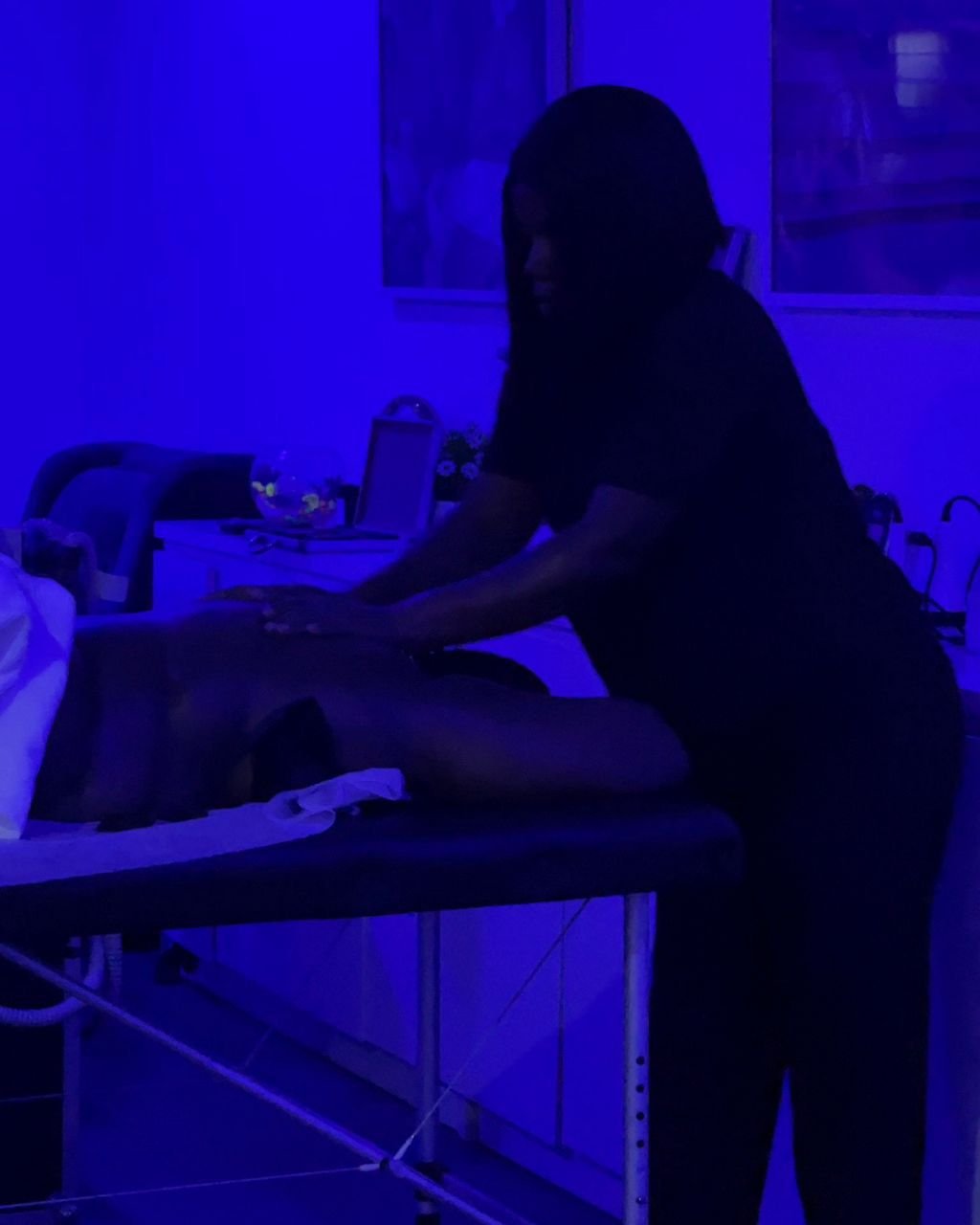
Medicine is changing.
Patients increasingly want more than treatment when something goes wrong. They want to understand prevention, appearance, confidence, skin health and the ways modern medicine can support how they look and feel.
For doctors, that creates an interesting opportunity.
Aesthetic medicine can become a natural extension of an existing medical practice, but only when it is approached as medicine, rather than as a collection of popular procedures.
Adding aesthetics successfully requires more than learning how to inject Botox or filler. It requires clinical judgement, anatomy, patient assessment, product knowledge, complication awareness, consent, communication and a clear understanding of your professional scope.
For a doctor considering aesthetic medicine in Nigeria, the real question is not simply:
“Which aesthetic course should I take?”
It is:
“How do I build the knowledge, skills and clinical judgement to practise aesthetics responsibly?”
Why doctors are moving into aesthetic medicine
Aesthetic medicine sits at an interesting intersection of medicine, patient psychology and increasingly sophisticated technology.
For some doctors, the attraction is the opportunity to develop a new clinical service within an existing practice.
For others, it is the ability to build a dedicated aesthetics practice.
And for some, it is simply an interest in an area of medicine that allows for highly personalised treatment planning.
The appeal can include:
- Adding another service line to an established medical practice
- Developing a new area of clinical expertise
- Offering patients a broader range of services
- Building a dedicated aesthetic medicine practice
- Combining medical knowledge with facial and skin assessment
- Developing a practice around long-term patient relationships rather than one-off procedures
But aesthetics should not be approached as a shortcut to additional revenue.
The strongest aesthetic practices are built around patient assessment, appropriate treatment selection and trust.
Aesthetic medicine is still medicine
One of the biggest misconceptions about aesthetics is that it is primarily about technique.
Technique matters. But technique without judgement can be dangerous.
A doctor may learn how to perform an injection and still not have developed the ability to answer the more important questions:
Should this patient actually be treated?
What treatment is appropriate for their anatomy?
What should be avoided?
What are the relevant risks?
What happens if something does not go according to plan?
When should a patient be referred or treatment declined?
These are clinical questions.
That is why adding aesthetic medicine to an established practice should begin with education and supervised clinical development rather than simply purchasing products and beginning to treat patients.
What does aesthetic medicine involve?
Aesthetic medicine is broader than injectables.
Depending on the doctor’s area of training and professional scope, an aesthetic practice may involve areas such as:
- Facial assessment and profiling
- Botulinum toxin treatments
- Dermal fillers
- Skin rejuvenation
- Chemical peels
- Microneedling
- Skin pigmentation management
- Hair restoration treatments
- Body contouring
- Medical weight management
- Energy-based treatments
- Regenerative and platelet-based treatments
Not every doctor needs to offer all of these.
In fact, trying to offer everything from the beginning can make it harder to develop genuine expertise.
A better approach is to identify the type of aesthetic practice you want to build and develop your skills progressively around that model.
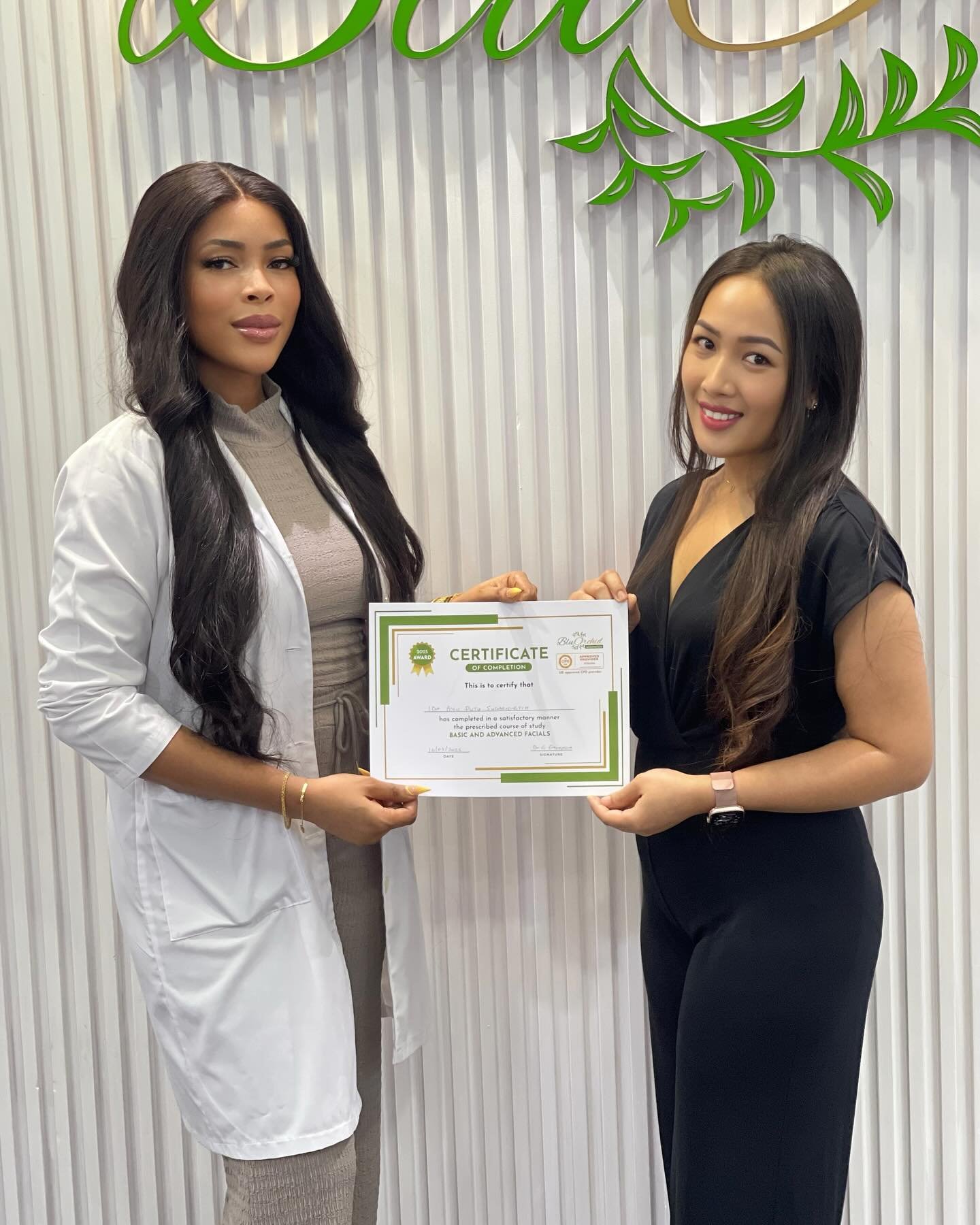
Academy at BluOrchid Aesthetics, Lagos
Start with your existing medical foundation
Doctors entering aesthetics already have an important advantage: clinical training.
You understand patient history.
You understand examination.
You understand informed consent.
You understand the importance of contraindications and adverse events.
You understand that two patients presenting with apparently similar complaints may require completely different approaches.
Aesthetic training should build on that foundation.
The goal is not to start practising like someone with no medical background. It is to develop the additional knowledge and practical skills required to apply your existing clinical judgement in aesthetic medicine.
That distinction is important.
The skills you actually need to develop
1. Facial anatomy
Aesthetic medicine is fundamentally anatomical.
If you are considering facial injectables, understanding the relevant anatomy is essential.
This includes appreciating:
- Facial structures and proportions
- Muscles and their functions
- Soft-tissue compartments
- Vascular anatomy
- Nerve pathways
- Areas where complications may be more serious
- How facial structures change with age
Good aesthetic treatment is not simply about knowing where to place a needle.
It is about understanding what lies beneath the skin and how changing one structure may influence the appearance of another.
2. Patient assessment
Aesthetic consultations require a different level of visual and structural assessment.
The patient may arrive asking for a particular procedure.
That does not necessarily mean that procedure is the best answer.
A doctor needs to assess the patient’s concerns, facial structure, skin quality, proportions, medical history, expectations and suitability before recommending treatment.
This is where consultation becomes part of the treatment itself.
3. Treatment planning
Aesthetic medicine is rarely about treating an isolated feature.
A patient’s concern about their lips, jawline, nose or facial shape may have a relationship with other structures.
This is why treatment planning matters.
The objective is not to perform the procedure the patient has searched for online.
The objective is to determine what, if anything, is clinically appropriate.
4. Product knowledge
Different aesthetic products behave differently.
Doctors need to understand the products they are using, including their intended applications, limitations, handling requirements and potential complications.
Product knowledge should be part of training rather than something learned casually after purchasing a product.
5. Injection technique
For doctors entering injectable aesthetics, practical training is essential.
This is particularly important for procedures involving Botox and dermal fillers.
Hands-on learning allows practitioners to develop practical skills under supervision rather than relying entirely on videos, diagrams or theoretical instruction.
6. Complication management
This is one of the most important areas of aesthetic education.
Learning how to perform a procedure is only part of becoming competent.
A responsible practitioner must also understand what can go wrong, how to recognise concerning signs and what immediate steps may be appropriate.
Complication management should therefore be treated as a core part of aesthetic training, not an optional advanced topic.
Online learning is useful. It is not the whole education.
Online education can be valuable.
It can help doctors understand terminology, treatment concepts, anatomy, consultation principles and the theoretical foundations of aesthetic medicine.
But there is a difference between understanding a procedure intellectually and being competent to perform it.
Practical aesthetic training should give appropriate attention to supervised clinical experience and hands-on skills.
This becomes particularly important for injectable treatments.
If you are comparing aesthetic courses, ask not only:
“What will I learn?”
Also ask:
“How will I practise it?”
“Who will supervise me?”
“What happens if I need help with a complication?”
“How much emphasis is placed on assessment and clinical decision-making?”
These questions tell you much more about a training programme than the course title alone.

Do you need to learn every aesthetic treatment?
No.
This is one of the mistakes doctors can make when entering a new specialty or service area.
Seeing a long list of procedures on a course brochure can make comprehensive training look attractive.
But your first objective should be competence, not the size of your treatment menu.
For example, a doctor may decide to develop expertise in facial aesthetics first.
Another may be more interested in skin health.
Another may want to build a broader medical aesthetics and wellness service.
Your training should reflect the practice you intend to build.
A focused clinical skill set, properly developed, is more valuable than a long list of procedures that you have only been introduced to superficially.
How aesthetic medicine can fit into an existing practice
Adding aesthetics does not necessarily mean turning your medical practice into a beauty clinic overnight.
It can be introduced gradually.
Phase 1: Define the service
Decide what role aesthetics will play in your practice.
Will it be:
- An additional service for existing patients?
- A separate aesthetic department?
- A dedicated aesthetic clinic?
- A new practice altogether?
Your answer will influence your training, equipment, staffing and patient journey.
Phase 2: Build the clinical foundation
Choose training that matches your intended scope.
Develop the relevant anatomy, assessment, treatment planning, procedural and complication-management skills before expanding your treatment menu.
Phase 3: Create the patient journey
Aesthetic patients need a clear experience from enquiry through consultation, treatment and follow-up.
Consider:
Enquiry → Consultation → Assessment → Treatment plan → Consent → Treatment → Aftercare → Follow-up
A strong patient journey makes the practice feel medical, organised and trustworthy.
Phase 4: Start with treatments you can support properly
Do not introduce a treatment simply because patients are asking for it.
Before adding a new procedure, consider whether you have:
- Appropriate training
- Suitable equipment
- Appropriate products
- A clear treatment protocol
- Consent documentation
- Aftercare processes
- A plan for complications
- Appropriate professional support
Growth should follow competence.
What about the business side?
Doctors sometimes underestimate how different an aesthetic practice can feel from a conventional medical practice.
Patients are not only evaluating clinical competence.
They are also evaluating the consultation experience, communication, environment, professionalism, transparency and overall confidence they have in the practitioner.
That means your practice needs more than treatment capability.
You need a patient experience.
Pricing should also be considered carefully.
Aesthetic treatment costs can vary according to the treatment, products, amount required, practitioner expertise and clinical complexity.
Avoid building a business around being the cheapest provider.
In aesthetics, price is only one part of the decision.
Trust is often the more valuable asset.
Choosing the right aesthetic training
If you are a doctor looking to add aesthetic medicine to your practice, ask these questions before enrolling.
Is the course designed for medical professionals?
A course should clearly state who it is intended for and what level of prior knowledge is expected.
Does it include practical training?
For procedures that require hands-on clinical skills, theory alone is not enough.
Who is teaching?
Look at the trainer’s clinical background and experience.
Is anatomy properly covered?
Anatomy should not be treated as a brief introductory topic.
Does the course teach patient assessment?
You should learn how to determine whether a treatment is appropriate, not simply how to perform it.
Does it cover complications?
Ask what happens when a treatment does not go as expected.
What support exists after training?
A course should not necessarily be viewed as the end of your education.
Aesthetic medicine develops continuously, and practitioners need ongoing learning.
Where does BluOrchid Academy fit?
For doctors considering aesthetic medicine as a new area of practice, BluOrchid Academy provides a pathway into structured aesthetic education.
The Aesthetic Injector Program is designed for doctors, nurses and licensed medical aestheticians who are eligible for advanced aesthetic training.
The programme focuses on the clinical side of aesthetic practice, including the knowledge and practical skills required for treatments such as Botox and dermal fillers.
The programme is priced at ₦2,500,000.
Importantly, advanced aesthetic training is not intended for everyone. Eligibility and professional scope should be considered before enrolling.
If you are unsure which level of training is appropriate for your background, the right starting point is to clarify your professional goals, existing experience and the type of aesthetic practice you want to build.
From doctor to aesthetic practitioner
Adding aesthetic medicine to your practice is not simply a career pivot.
It is a clinical expansion.
Your medical background gives you a foundation. Aesthetic training adds another layer: facial assessment, aesthetic judgement, procedural skills, product knowledge, complication management and the ability to create treatment plans that are appropriate for individual patients.
The strongest practitioners do not chase every new treatment.
They understand anatomy.
They know when to treat.
They know when not to treat.
And they understand that the patient’s trust is part of the treatment.
If that is the kind of aesthetic practice you want to build, the next step is not to learn everything at once.
It is to choose the right training pathway and develop your expertise deliberately.
Frequently asked questions
Can doctors practise aesthetic medicine in Nigeria?
Doctors may pursue aesthetic medicine as an area of practice, but appropriate professional registration, scope of practice, training and other applicable requirements must be considered. Aesthetic training does not replace the professional requirements governing medical practice.
Do I need aesthetic training if I am already a doctor?
Yes. Medical training provides a valuable clinical foundation, but aesthetic procedures require additional knowledge and practical skills. This is particularly important for injectables and other procedures with specific anatomical and procedural considerations.
Can a doctor learn Botox and fillers?
Doctors can undertake appropriate training in botulinum toxin and dermal filler procedures where they are eligible to practise and receive the necessary clinical training. Proper assessment, anatomy, technique, consent and complication management should form part of that education.
Is an online aesthetics course enough for a doctor?
Online learning can provide useful theoretical knowledge, but it should not be assumed to provide sufficient practical competence for procedures that require hands-on clinical skills. Doctors should look for appropriate supervised practical training where relevant.
Should I learn Botox or fillers first?
There is no universal answer. The right starting point depends on your clinical background, training pathway, intended patient population and the type of aesthetic practice you want to develop.
Can aesthetics be added to an existing medical practice?
Yes. Aesthetic medicine can be developed as an additional service line or as the foundation for a dedicated practice. The important consideration is whether the clinical, operational and professional infrastructure can support the services being offered.
How much does aesthetic training cost in Nigeria?
Costs vary significantly between training providers and programmes. At BluOrchid Academy, the Aesthetic Injector Program is currently listed at ₦2,500,000. Always compare what is included in a programme rather than comparing price alone.
Is aesthetic medicine a good career for doctors?
It can be a valuable area of practice for doctors who have a genuine interest in aesthetics, patient assessment and procedural medicine. Like any clinical field, however, it requires appropriate education, continued learning and professional responsibility.
Ready to add aesthetic medicine to your practice?
The right training can give you more than a certificate.
It can give you the clinical foundation to assess patients with greater confidence, make better treatment decisions and build an aesthetic practice around medical standards rather than trends.
If you are considering aesthetic medicine and want to understand the right pathway for your professional background, start with the BluOrchid Academy and determine which training route best fits where you want your practice to go.
The Aesthetic Injector Program is where this training actually happens.
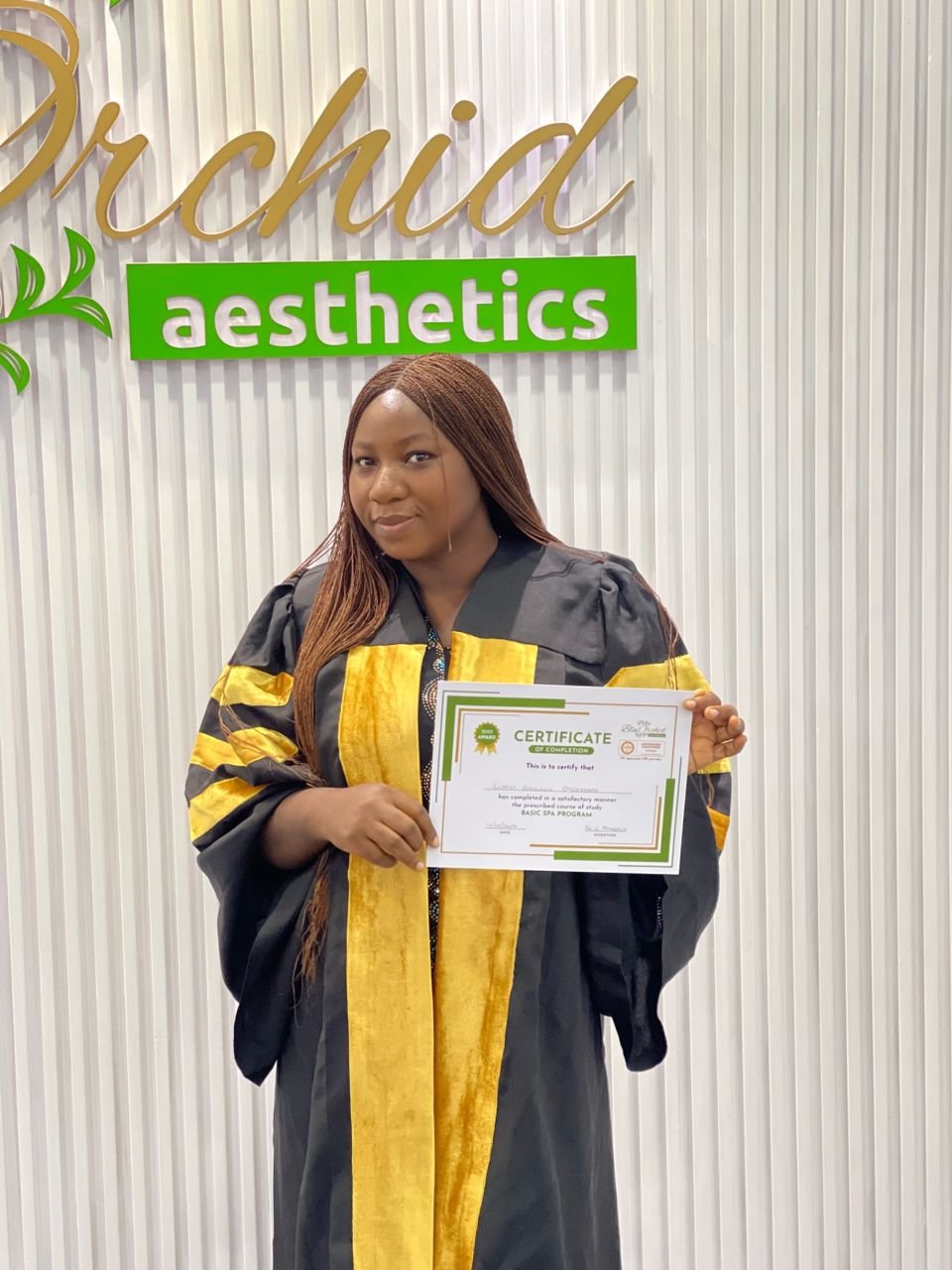
Hands-on training at the BluOrchid clinic in Lekki Phase 1, Lagos, taught by the doctors who treat patients there every week. Course fee ₦2,500,000.
See the Aesthetic Injector Program Small cohorts. Live models. Certificate on completion.