Aesthetics Training for Nurses in Nigeria
Explore aesthetics training for nurses in Nigeria, including eligibility, injectable training, practical skills and how to choose the right course.

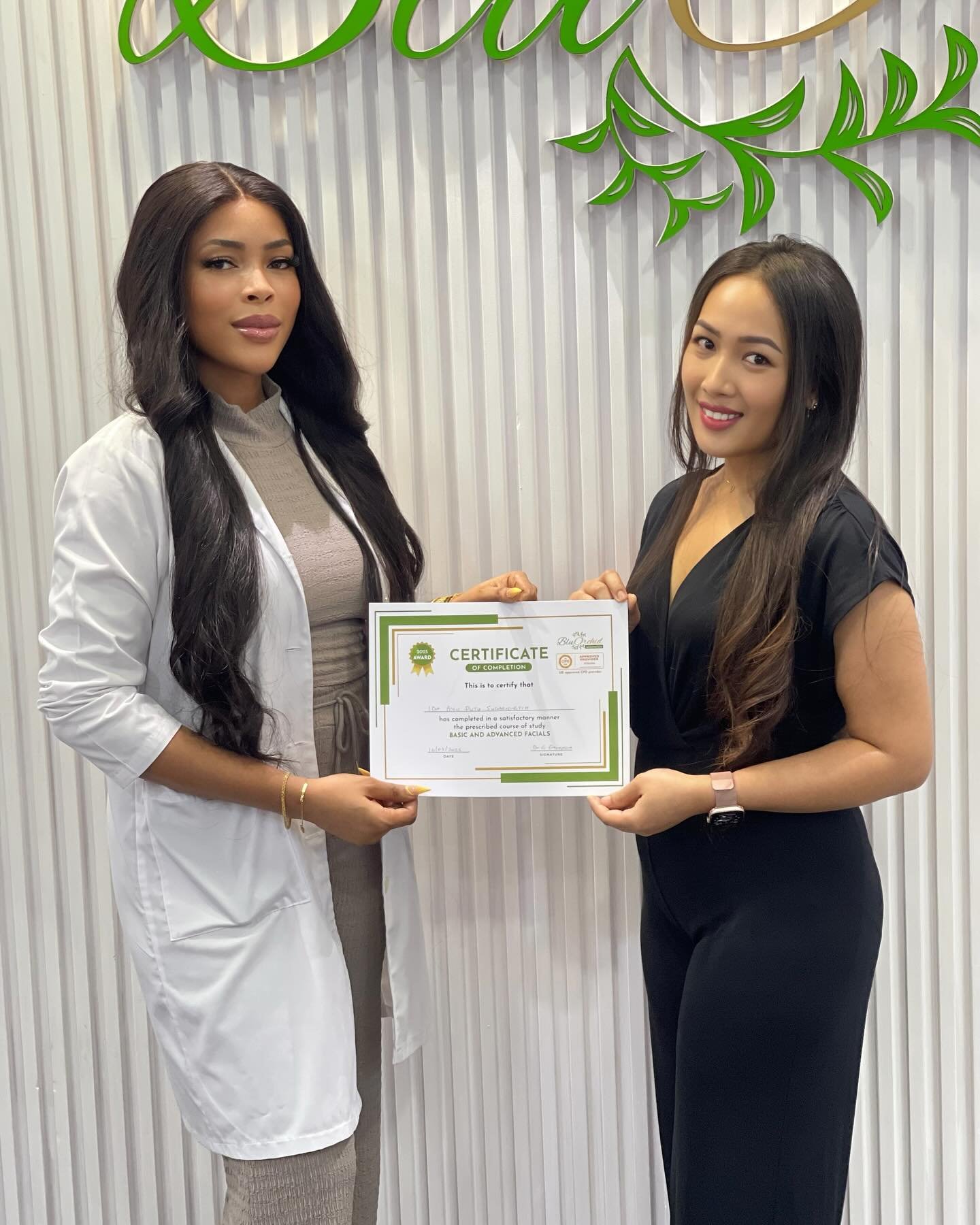
Nursing gives you something that many people entering aesthetic medicine have to learn from the beginning: experience caring for patients.
You already understand clinical environments, patient communication, hygiene, observation and the importance of putting the person before the procedure.
It is understandable, then, that more nurses are looking at aesthetic medicine as a potential area of professional development.
But moving from nursing into aesthetics is not simply a matter of learning how to inject Botox or perform a facial.
The important questions are:
Are nurses eligible to undertake aesthetic training in Nigeria? What procedures can you legally perform? What kind of training is appropriate? And how do you choose a programme that builds genuine clinical competence rather than simply giving you a certificate?
The answers depend on your professional registration, scope of practice, the procedure involved and the requirements of the relevant regulatory bodies.
For nurses considering this career path, those questions should be answered before choosing a course.
Can nurses train in aesthetic medicine in Nigeria?
Yes, nurses can pursue aesthetic education and training, provided the training programme accepts nurses and the nurse’s professional status and scope of practice support the intended clinical activities.
At BluOrchid Academy, nurses are among the professional groups eligible for the Aesthetic Injector Program, alongside doctors and licensed medical aestheticians.
That does not mean that an aesthetics certificate changes a nurse’s underlying professional licence or automatically gives a nurse permission to perform every aesthetic procedure.
Those are separate questions.
Training provides additional education and skills. Professional registration determines your underlying scope of practice.
That distinction should be central to any nurse considering aesthetics.
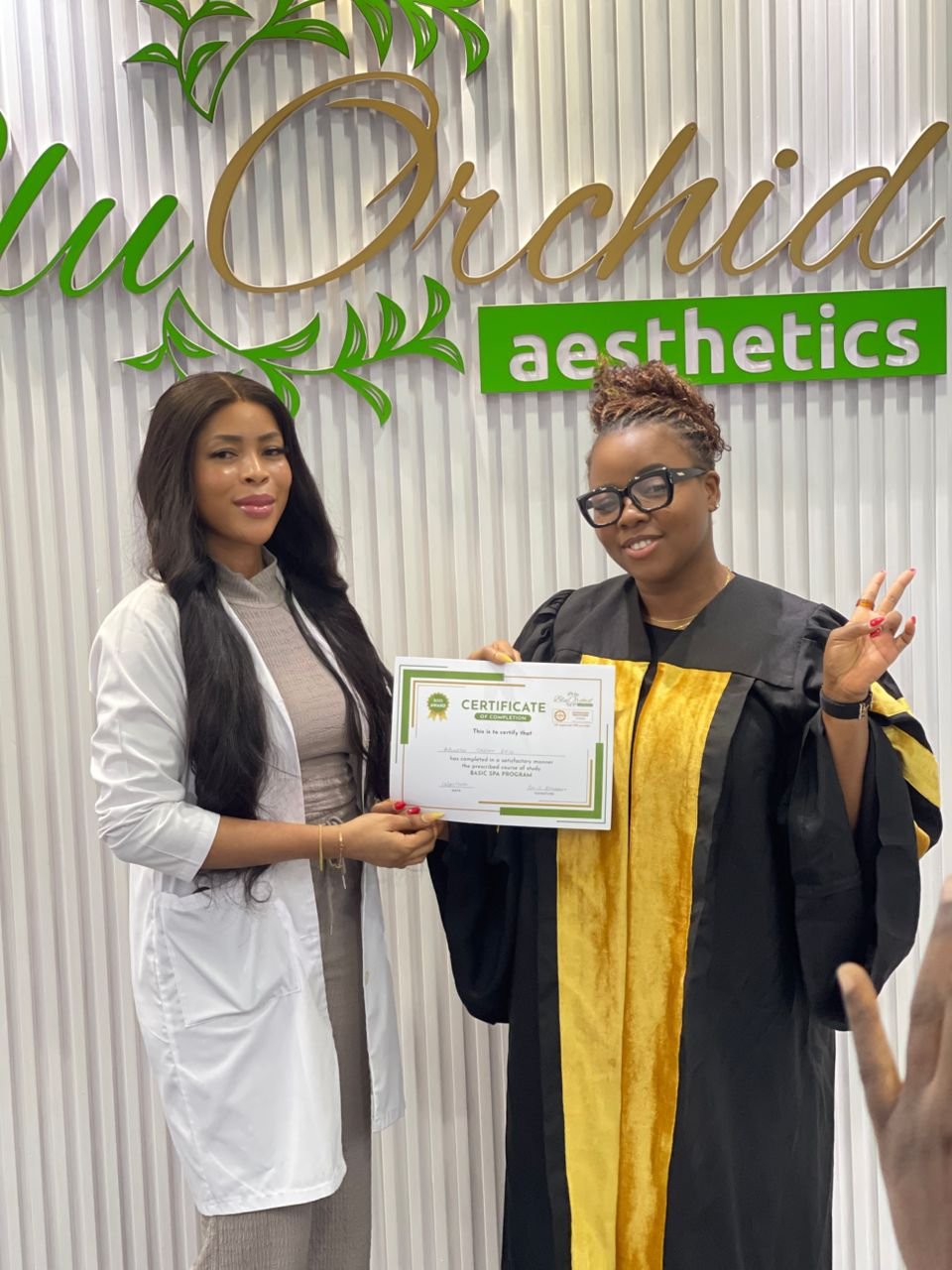
Why are nurses moving into aesthetics?
Aesthetic medicine combines clinical knowledge with patient care, consultation and attention to detail.
For a nurse, the transition can feel natural because many of the skills developed in nursing remain valuable.
These include:
- communicating with patients;
- taking relevant histories;
- observing changes in a patient’s condition;
- maintaining appropriate hygiene and infection-control practices;
- explaining procedures;
- supporting patients before and after treatment;
- recognising when something does not look right;
- working within a clinical team.
Aesthetic medicine adds another layer.
You begin to develop an understanding of facial anatomy, aesthetic assessment, treatment planning, product selection, procedural technique and the management of potential complications.
That is why good aesthetics training should build on your clinical foundation rather than treating you as though you are starting from zero.
Do nurses need a nursing qualification before studying aesthetics?
If you are specifically looking for aesthetic nurse training, your nursing qualification and professional registration are part of the foundation.
An aesthetics course should not be used as a substitute for professional nursing education or registration.
Before enrolling, establish:
- Your current professional registration status.
- Whether the course accepts nurses.
- Which procedures the course teaches.
- Whether those procedures fall within your permitted professional scope.
- What supervision and practical training are provided.
- What additional requirements may apply to practising in your intended setting.
This is particularly important for injectable aesthetics.
Can nurses learn Botox and dermal fillers?
Nurses may seek training in injectable aesthetics, including Botox and dermal fillers, where the training is appropriate to their professional background and the intended scope of practice.
But there is an important distinction between being trained and being authorised to practise independently.
Completing a Botox or filler course does not automatically create a new professional licence.
It also does not turn a nurse into a doctor or medical specialist.
Your underlying nursing registration remains relevant, as does the professional scope governing what you are permitted to do.
For that reason, a responsible training programme should be transparent about eligibility and professional boundaries.
Academy at BluOrchid Aesthetics, Lagos
What should nurses learn before injecting?
Injectable aesthetics requires considerably more than knowing where to place a needle.
A serious programme should cover the foundations behind the procedure.
Facial anatomy
You need to understand the structures beneath the skin and why anatomy matters when planning an injectable treatment.
This includes understanding facial proportions, muscles, vessels, nerves and other relevant anatomical structures.
Patient assessment
Aesthetic treatment begins with assessment.
You need to understand the patient’s concern, expectations, medical history, previous treatments and suitability before considering a procedure.
Sometimes the correct clinical decision is not to treat.
That is part of good aesthetic practice.
Aesthetic assessment and facial balance
Patients rarely arrive asking for an anatomical solution.
They may say:
“I don’t like my profile.”
“My face looks tired.”
“My jawline has changed.”
“My lips look uneven.”
The practitioner needs to understand the concern beneath the request and assess whether an aesthetic treatment is appropriate.
Product knowledge
Injectable practitioners need to understand the products they use, including their intended applications, limitations, handling and appropriate storage.
Product sourcing matters too.
A nurse should be able to identify what they are using and where it came from rather than relying on an informal supplier simply because the price is attractive.
Injection technique
Practical training should cover appropriate preparation, injection principles, aseptic technique and safe handling.
This is where hands-on training becomes particularly important.
Complications
Aesthetic practitioners need to understand what can go wrong.
Training should cover the recognition of complications, appropriate immediate responses and when escalation or referral is required.
This is one of the areas where a serious course differs significantly from a certificate-focused workshop.
Is an online aesthetics course enough for a nurse?
Online education can be useful.
It can introduce concepts such as:
- anatomy;
- product theory;
- consultation;
- aesthetic assessment;
- treatment principles;
- complication theory.
But watching an instructor inject someone on a screen is not the same as developing practical clinical competence.
For procedures such as injectable aesthetics, nurses should look for training that includes appropriate hands-on learning and supervised practical experience.
The question is not:
“Will I receive a certificate?”
It is:
“Will I leave with a stronger understanding of how to assess, plan, perform and manage the procedure safely within my professional scope?”
What should you look for in an aesthetic nurse training course?
Not every aesthetics course is designed for the same audience.
Some are introductory.
Some are designed for experienced healthcare professionals.
Some focus on skincare and non-invasive treatments.
Others focus heavily on injectables.
Before paying for a course, ask these questions.
1. Does the course accept nurses?
The eligibility requirements should be clearly stated.
If a programme teaches advanced injectable procedures but does not clearly identify who is eligible to enrol, that should prompt further questions.
2. Is the training practical?
For clinical procedures, hands-on training matters.
Find out how much practical work is included and whether it is supervised.
3. Who teaches the course?
Look at the trainer’s professional background, clinical experience and expertise in the procedures being taught.
4. Is anatomy taught properly?
Aesthetic injection should never be reduced to memorising injection points.
Anatomy should inform technique.
5. Are complications covered?
Ask specifically what happens if something goes wrong.
A course that spends all its time on the desired result but barely discusses complications is incomplete.
6. Is patient assessment taught?
The practitioner needs to know when to treat, when not to treat and when another professional should be involved.
7. What happens after the course?
Ask whether there is mentorship, further support or opportunities for continued development.
A certificate is the end of a course.
It should not be the end of your education.
Beginner versus advanced aesthetics training for nurses
Your professional background should influence where you start.
If you are completely new to aesthetics
You may benefit from a broader foundation.
This can include:
- aesthetic medicine principles;
- consultation;
- facial assessment;
- skin health;
- anatomy;
- treatment categories;
- professional and clinical considerations.
A beginner programme can help you understand the field before moving into more specialised procedures.
If you are an experienced nurse
You may already have a strong clinical foundation.
In that situation, advanced aesthetic education may make more sense, provided you meet the programme’s eligibility requirements.
The focus can move toward areas such as:
- advanced facial assessment;
- facial profiling;
- injectable aesthetics;
- Botox;
- dermal fillers;
- treatment planning;
- complication awareness;
- practical technique.
The key is not to choose the most advanced course available.
Choose the course that matches your current level and your intended scope of practice.
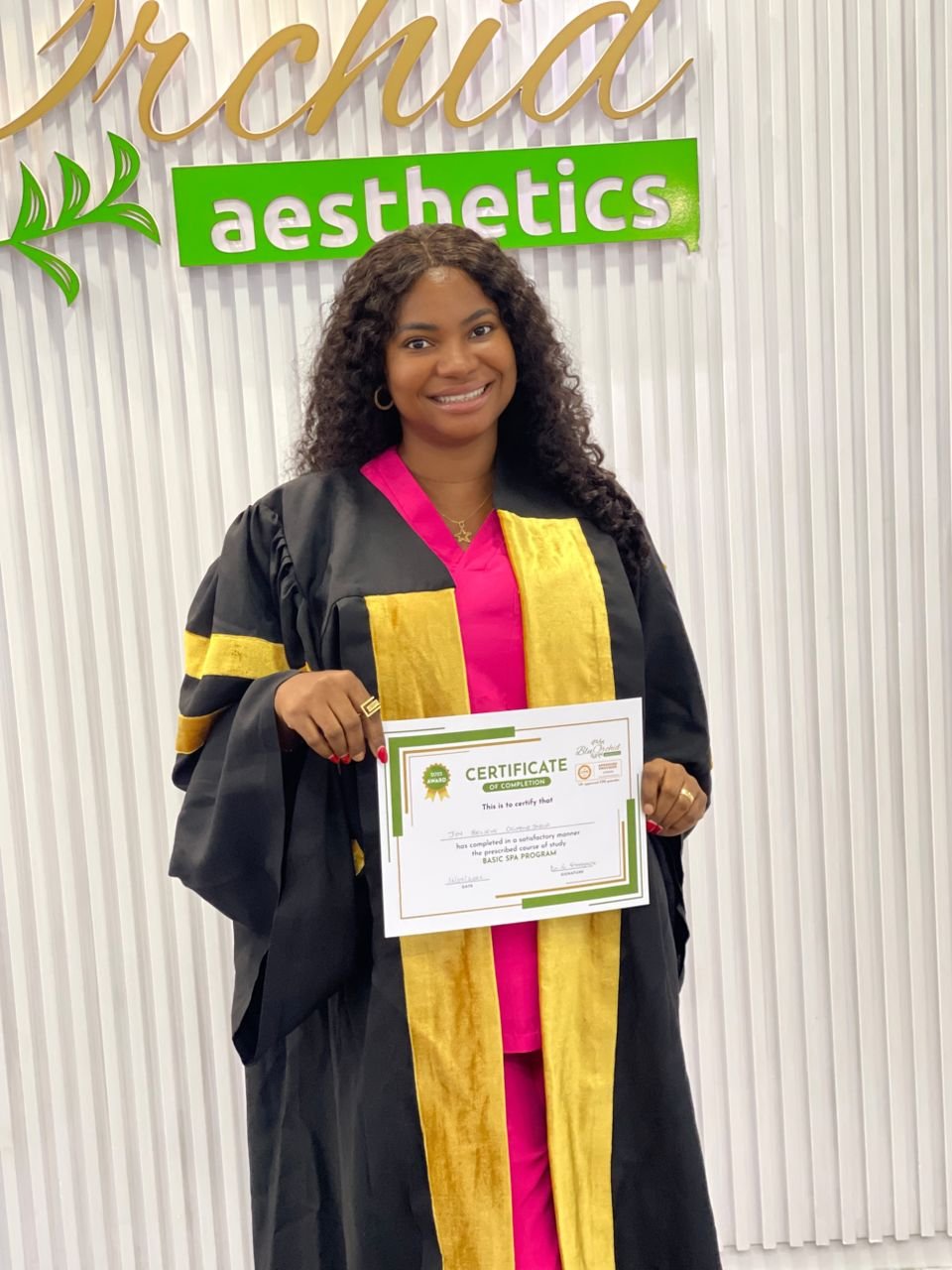
Can a nurse open an aesthetics business?
Running an aesthetics business and performing aesthetic procedures are two different questions.
A nurse who wants to build an aesthetics business should consider both:
professional requirements and business/facility requirements.
Where the business operates as a healthcare facility, applicable state regulatory requirements must also be considered.
In Lagos, for example, healthcare facilities are subject to HEFAMAA requirements.
The fact that you own or manage a business does not automatically determine what clinical procedures you are personally authorised to perform.
That distinction should be established before opening the doors.
How much does aesthetics training cost in Nigeria?
The cost depends on the level and type of training.
At BluOrchid Academy, the current listed pathways include:
Beginners Aesthetics Course
This is designed as an entry point for those beginning their aesthetics education.
Aesthetic Injector Program
₦2,500,000
This is the advanced pathway focused on facial profiling and injectable aesthetics and is open to eligible professionals, including doctors, nurses and licensed medical aestheticians.
The advanced programme should not be viewed simply as a more expensive version of a beginner course.
It represents a different level of training and is intended for professionals who meet its eligibility requirements.
How long does it take to become an aesthetic nurse?
There is no single timeline that applies to every nurse.
Your starting point matters.
A nurse who already has substantial clinical experience may have different training needs from someone who is newly qualified.
Your chosen area of aesthetics also matters.
Learning the foundations of skin treatments is different from developing competence in advanced injectable aesthetics.
The most useful question is therefore not:
“How quickly can I become an aesthetic nurse?”
It is:
“What training and supervised experience do I need to become competent in the procedures I intend to offer?”
A short course may introduce you to a procedure.
It should not be confused with becoming fully experienced in that procedure.
What can an aesthetic nurse specialise in?
Aesthetic nursing is broader than injectables.
Depending on professional scope, training and the setting in which they work, nurses may develop interests in areas such as:
- skin health;
- professional facials;
- pigmentation management;
- acne and acne-related concerns;
- body treatments;
- laser-based treatments where appropriately trained and permitted;
- patient consultation;
- pre- and post-treatment care;
- injectable aesthetics where legally and professionally permitted.
Some nurses build careers primarily around clinical treatments.
Others move into patient coordination, clinic management, education or aesthetic business operations.
The right path depends on your strengths and your professional goals.
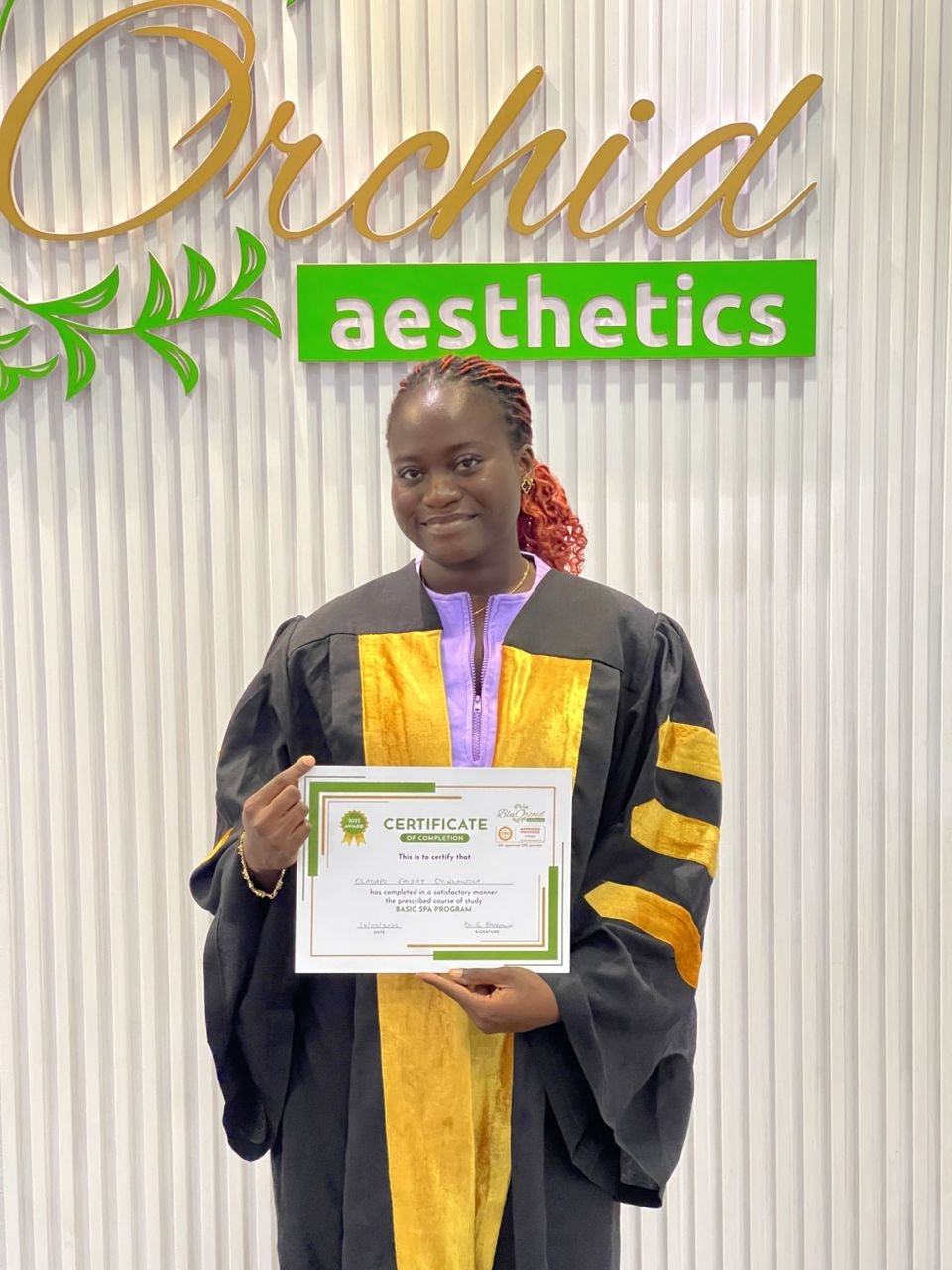
What makes a good aesthetic nurse?
Technical skill matters.
But it is not the whole job.
A strong aesthetic practitioner should also know how to listen.
Patients may arrive with a very specific idea of what they want.
Your responsibility is not simply to agree.
It is to assess whether the requested treatment is appropriate, explain realistic options and help the patient make an informed decision.
The best aesthetic outcomes are often the result of restraint.
Knowing when to do less can be just as important as knowing how to do more.
A realistic pathway for nurses entering aesthetics
If you are a Nigerian nurse considering this career path, think about it in stages.
Stage 1: Confirm your professional foundation
Make sure your nursing registration and professional status are current.
Stage 2: Define your direction
Do you want to focus on skin treatments, devices, patient care, injectables or eventually build an aesthetics practice?
You do not need to decide your entire career at once.
Stage 3: Choose appropriate training
Select a course designed for your professional level.
Stage 4: Build practical competence
Prioritise hands-on learning and supervised practice where appropriate.
Stage 5: Understand your scope
Confirm what you are legally and professionally permitted to perform.
Never assume that completing a course automatically expands your scope.
Stage 6: Develop your consultation skills
Aesthetic medicine begins before the treatment room.
You need to understand how to assess concerns, expectations and suitability.
Stage 7: Keep developing
Continue your education as your experience grows.
The goal is not to collect certificates.
It is to become a better practitioner.
Why the training provider matters
Aesthetics is a rapidly developing field, and the quality of education varies considerably.
A course can look impressive online and still provide very little practical development.
Before choosing a provider, look beyond the certificate.
Look at:
The educator. Who is actually teaching you?
The clinical environment. Are you learning in a setting where patient care is taken seriously?
The curriculum. Does it cover assessment, anatomy, technique and complications?
The practical component. Will you actually develop hands-on skills?
The eligibility criteria. Does the provider clearly understand which professionals the programme is designed for?
The support after training. Is there a pathway for continued learning?
These questions can tell you more than the words “internationally recognised certificate” printed on a brochure.
Aesthetics training should build on your nursing career
You do not need to discard your nursing identity to enter aesthetics.
Your clinical background can become part of what makes you valuable in the field.
Patient care.
Communication.
Observation.
Clinical discipline.
Professional responsibility.
These are not separate from aesthetic medicine.
They are part of practising it well.
The right aesthetics training should add another layer to those skills.
It should help you understand the aesthetic consultation, facial assessment, treatment planning and technical procedures without encouraging you to step outside the boundaries of your professional registration.
Frequently asked questions
Can nurses do aesthetics in Nigeria?
Nurses can pursue aesthetic training where they meet the programme’s eligibility requirements. Whether a nurse may independently perform a particular aesthetic procedure depends on the nurse’s professional registration, scope of practice, the procedure and applicable regulatory requirements.
Can a Nigerian nurse train in Botox and fillers?
Eligible nurses can undertake appropriate training in injectable aesthetics. Training does not, however, automatically create a new licence or expand a nurse’s professional scope. The nurse must remain within the requirements governing their professional practice.
What is the best aesthetics course for nurses in Nigeria?
There is no single course that is best for every nurse. Look for a programme that matches your professional level, includes meaningful practical training, teaches anatomy and patient assessment, covers complications and clearly states its eligibility requirements.
How much is aesthetics training for nurses in Nigeria?
Costs vary by programme. At BluOrchid Academy, the Beginners Aesthetics Course is ₦800,000, while the Aesthetic Injector Program is ₦2,500,000 for eligible professionals, including nurses.
Can nurses inject fillers in Nigeria?
This should not be answered simply with “yes” or “no” based on the existence of an aesthetics certificate. The relevant question is whether the specific procedure falls within the nurse’s legally permitted professional scope and whether the nurse has the appropriate training and competence.
Can nurses become aesthetic practitioners without becoming doctors?
A nurse does not need to become a doctor to develop a career in aesthetics.
However, a nurse’s scope remains different from a doctor’s, and training does not erase those professional distinctions.
Is a Botox certificate enough to become an aesthetic nurse?
No.
A certificate demonstrates completion of a training programme. It does not replace professional registration, licensing or applicable scope-of-practice requirements.
Should nurses choose online or hands-on aesthetics training?
For clinical procedures, hands-on training is strongly preferable to learning entirely online. Online theory can complement practical education, but it should not be treated as equivalent to supervised clinical training.
Ready to Take the Next Step?
If you are a nurse considering aesthetics, the right starting point is not simply finding the course with the longest list of procedures.
Start with your professional background.
Understand your scope.
Then choose training that builds the clinical and aesthetic skills you actually need.
At BluOrchid Academy, the Aesthetic Injector Program is designed for eligible healthcare professionals, including nurses, who want to develop advanced skills in facial profiling and injectable aesthetics.
Explore the Aesthetic Injector Program
If you are unsure which training pathway fits your background, Book a Consultation with the BluOrchid team.
The Medical Aesthetics & Wellness Program is where this training actually happens.
Hands-on training at the BluOrchid clinic in Lekki Phase 1, Lagos, taught by the doctors who treat patients there every week. Course fee ₦1,500,000.
See the Medical Aesthetics & Wellness Program Small cohorts. Live models. Certificate on completion.