Your Facial Profiling Consultation: What We Measure
What happens during a facial profiling consultation? Learn what your doctor assesses, why facial proportions matter and how treatment is planned.

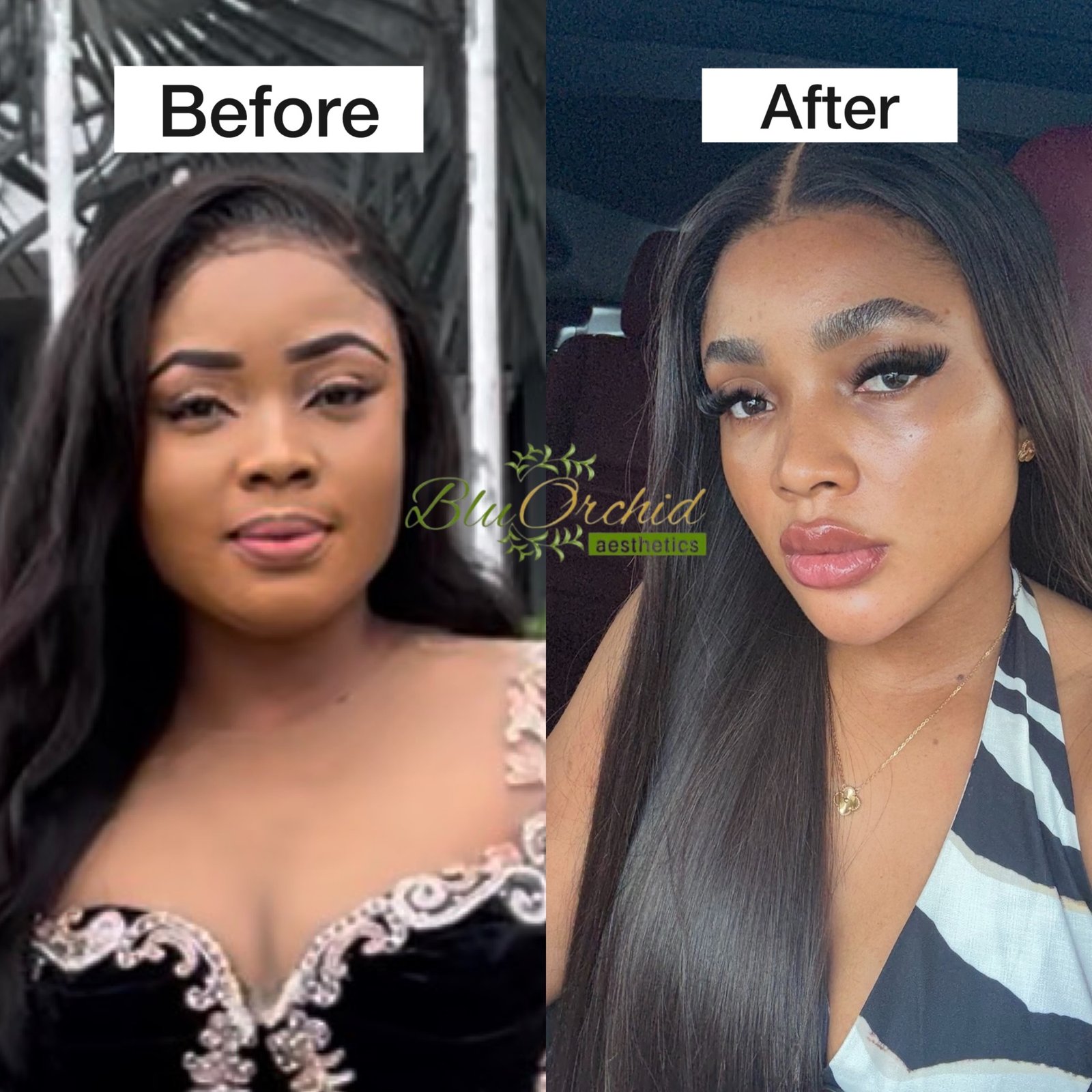
A good aesthetic consultation should begin before anyone reaches for a syringe.
If you are considering facial profiling, your first appointment is not simply a conversation about whether you want Botox, filler or another treatment.
It is an assessment of your face as a whole.
That distinction matters.
The feature you notice most in the mirror may not be the feature that needs to be treated. A chin that appears small may look different when considered alongside the lips and lower face. A jawline that feels undefined may be influenced by several factors rather than one isolated problem. Facial asymmetry may be related to muscle activity, soft tissue, skeletal structure or simply normal human variation.
This is why Facial Profiling at BluOrchid begins with assessment rather than a predetermined treatment.
The aim is to understand your facial proportions, features and concerns before deciding whether any intervention is appropriate.
What happens during a facial profiling consultation?
Your consultation is an opportunity to discuss what you would like to change, what you would prefer to preserve and what you do not want to change.
The doctor then assesses your face in relation to those goals.
Depending on your concerns, this can include looking at:
- Facial proportions
- Symmetry and natural asymmetries
- The relationship between different facial features
- Facial shape and contour
- Profile and projection
- Soft-tissue volume
- Muscle activity
- Skin quality
- Signs of facial ageing
- Previous aesthetic treatments
- The overall balance of the face
The purpose is not to find imperfections.
It is to understand the architecture of the face well enough to make a considered treatment decision.
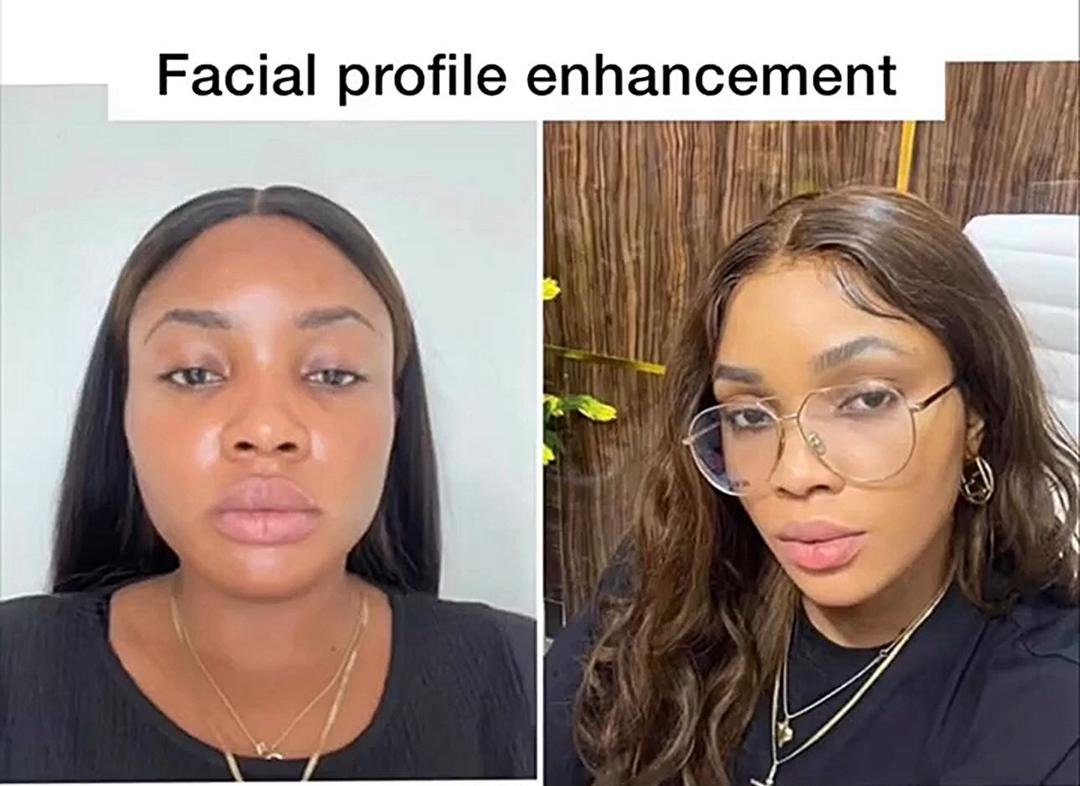
We start with what you see
Before measurements or treatment recommendations, there is something equally important:
What bothers you?
You may be concerned about:
- A weak-looking chin
- A less defined jawline
- Facial asymmetry
- Heavy or wide facial features
- Lip proportions
- Nasal appearance
- Signs of ageing
- Facial volume loss
- A desire to look more refreshed without looking “done”
Two people can have very similar facial proportions and completely different aesthetic goals.
That is why the consultation should not be reduced to a mathematical exercise.
Your preferences are part of the assessment.
We look at the face as a whole
This is the central idea behind Facial Profiling.
Instead of asking:
“What can we inject here?”
the better question is:
“What is creating the overall appearance I am seeing?”
A facial feature rarely exists in isolation.
The appearance of the chin is influenced by the lips, jawline and lower face.
The appearance of the nose is influenced by the forehead, cheeks, lips and chin.
The appearance of the jawline is influenced by facial structure, soft tissue and muscle.
This is why treating one feature without considering the rest of the face can sometimes create an unbalanced result.
Facial Profiling is designed to reduce that risk by starting with the whole picture.
What does the doctor measure?
The exact assessment depends on your face and your concerns.
There is no single checklist that should be applied mechanically to every patient.
The doctor may assess relationships between features such as:
Upper, middle and lower facial proportions
The face can be considered in vertical sections to understand how the major facial regions relate to one another.
This can help identify whether one area appears disproportionately short, long or prominent in relation to the rest.
The purpose is not to force every face into identical proportions.
It is to understand your individual structure.
Facial width and length
The relationship between facial width and vertical height contributes to how the overall face is perceived.
The doctor considers these relationships alongside your natural facial shape rather than treating a single measurement as a target.
Chin projection
The chin plays an important role in facial balance, particularly in profile.
A chin that sits further back can change the perceived relationship between the lower face, lips and nose.
A chin that is already prominent may require a completely different approach.
This is why simply asking for “chin filler” without an assessment may miss the larger picture.
Jawline definition
Jawline appearance can be influenced by several factors, including facial structure, soft tissue, skin laxity and muscle.
The doctor considers what is actually contributing to the appearance before deciding whether treatment is appropriate.
Lip proportion
The lips are assessed not only for size but also for their relationship with the surrounding facial features.
This is particularly important when considering lip filler.
More volume is not automatically better.
Sometimes the aesthetic goal is definition, balance or proportion rather than enlargement.
Symmetry
Perfect facial symmetry does not exist.
Small differences between the two sides of the face are normal.
The question is whether an asymmetry is noticeable, what may be contributing to it and whether anything can or should be changed.
In some cases, the difference may relate to muscle activity.
In others, it may involve soft tissue or underlying structure.
And sometimes the most appropriate recommendation is to leave it alone.
Facial profiling at BluOrchid Aesthetics, Lagos
Why does the Golden Ratio come into the conversation?
The Golden Ratio method is part of BluOrchid’s named Facial Profiling approach.
It provides a framework for discussing proportion and relationships between facial features.
But it should not be treated as a formula that every face must obey.
Human faces are not mathematical templates.
A proportion that looks harmonious on one person may not be appropriate for another.
The value of a proportion-based assessment is therefore not to make every patient look the same.
It is to give the doctor another way of understanding how different features relate to one another.
What are we actually trying to achieve?
The objective is not necessarily to make a face more symmetrical.
It is not necessarily to make the lips bigger.
It is not necessarily to sharpen the jawline.
And it is certainly not to perform as many treatments as possible.
The objective is to understand what change, if any, would make sense for you.
For some patients, that may involve treatment.
For others, the doctor may recommend a more conservative approach.
And occasionally, the most appropriate recommendation may be to do nothing.
A good consultation should be able to reach all three conclusions.
How previous treatments affect your assessment
If you have previously had Botox, fillers, threads or another aesthetic treatment, tell your doctor.
This is important even if you believe the previous treatment has completely worn off.
Your treatment history can affect how your face looks today and how a new treatment should be planned.
It is particularly important to mention:
- Previous filler
- Previous filler dissolution
- Previous Botox
- Threads
- Surgical procedures
- Significant reactions or complications
- Treatments performed by another clinic
If you know the product used or have treatment records, bring them with you.
The more complete the history, the more informed the assessment can be.
What happens after the assessment?
Once the doctor understands your facial structure and goals, the next step is to discuss the options.
This may involve one treatment or a combination of treatments.
Depending on the concern, options can include treatments such as:
- Botox
- Masseter Botox
- Dermal fillers
- Lip filler
- Other facial aesthetic treatments
But the treatment should follow the assessment, not the other way around.
This is one of the reasons Facial Profiling is different from simply booking a particular injectable.
You are not arriving with the assumption that a specific product must be used.
You are arriving to understand what your face may actually need.
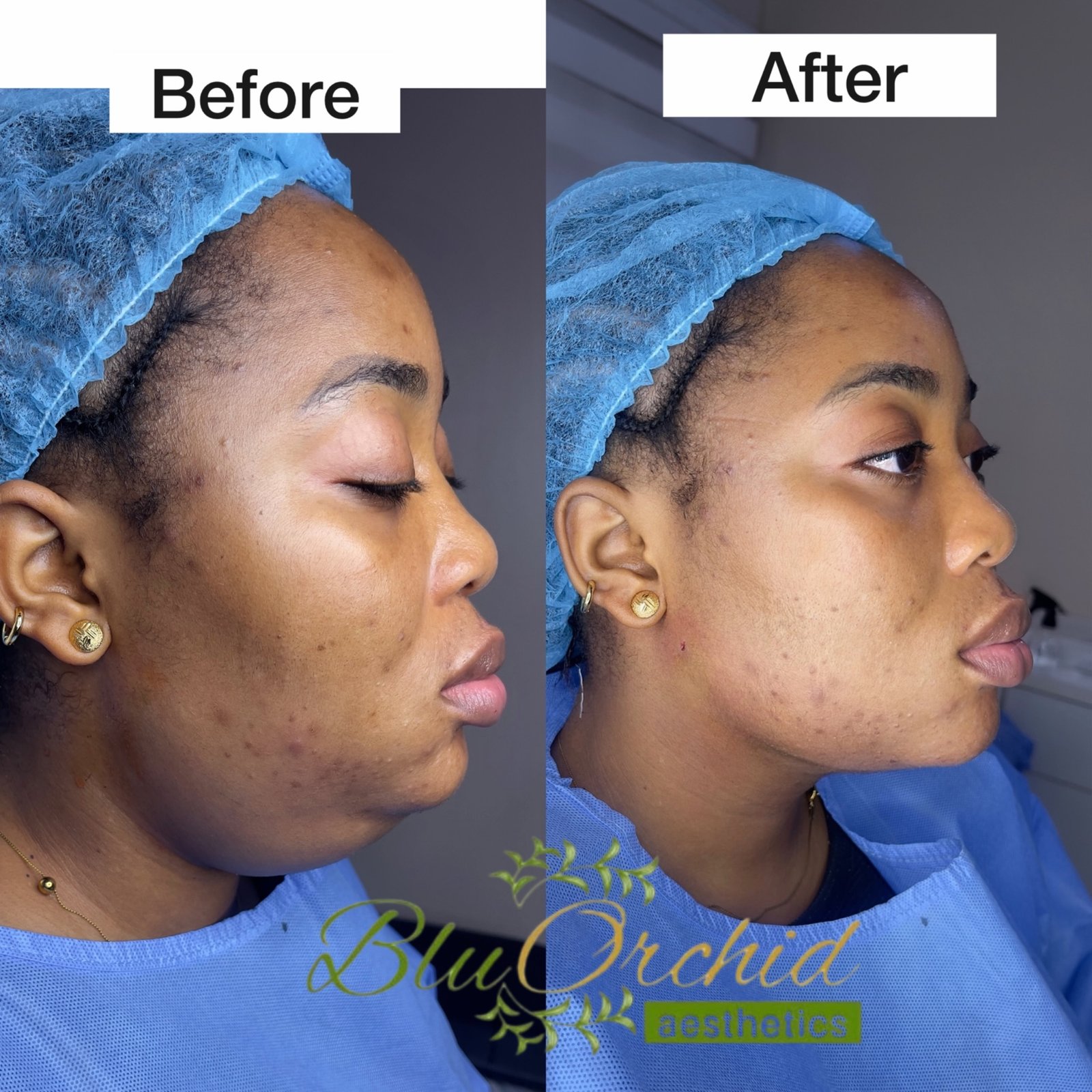
Does facial profiling mean you have to get treatment?
No.
A consultation is an assessment.
It does not obligate you to proceed with a treatment.
You should have the opportunity to understand:
- What the doctor has identified
- What treatment options may be appropriate
- What each option is intended to change
- What limitations exist
- What risks are involved
- What alternatives are available
- Whether treatment is appropriate at all
The decision to proceed should come after you understand the plan.
How long does a facial profiling consultation take?
The time required can vary depending on your concerns, medical and treatment history and the complexity of the assessment.
A consultation that involves previous filler, multiple aesthetic concerns or significant asymmetry may require more discussion than a straightforward treatment assessment.
The important thing is not to rush the appointment simply to get to the injection stage.
The assessment is part of the treatment.
What should you bring to your consultation?
You do not need to arrive with a treatment already chosen.
It can be helpful to come prepared with:
Your aesthetic concerns
Think about what you would genuinely like to change and what you want to preserve.
Your treatment history
Tell the doctor about previous Botox, fillers, threads or surgery.
Any known product information
If you know what filler or other injectable was previously used, bring the information if available.
Your questions
If you have concerns about looking unnatural, overfilling, facial movement, downtime or previous complications, say so.
These concerns are clinically relevant to the treatment plan.
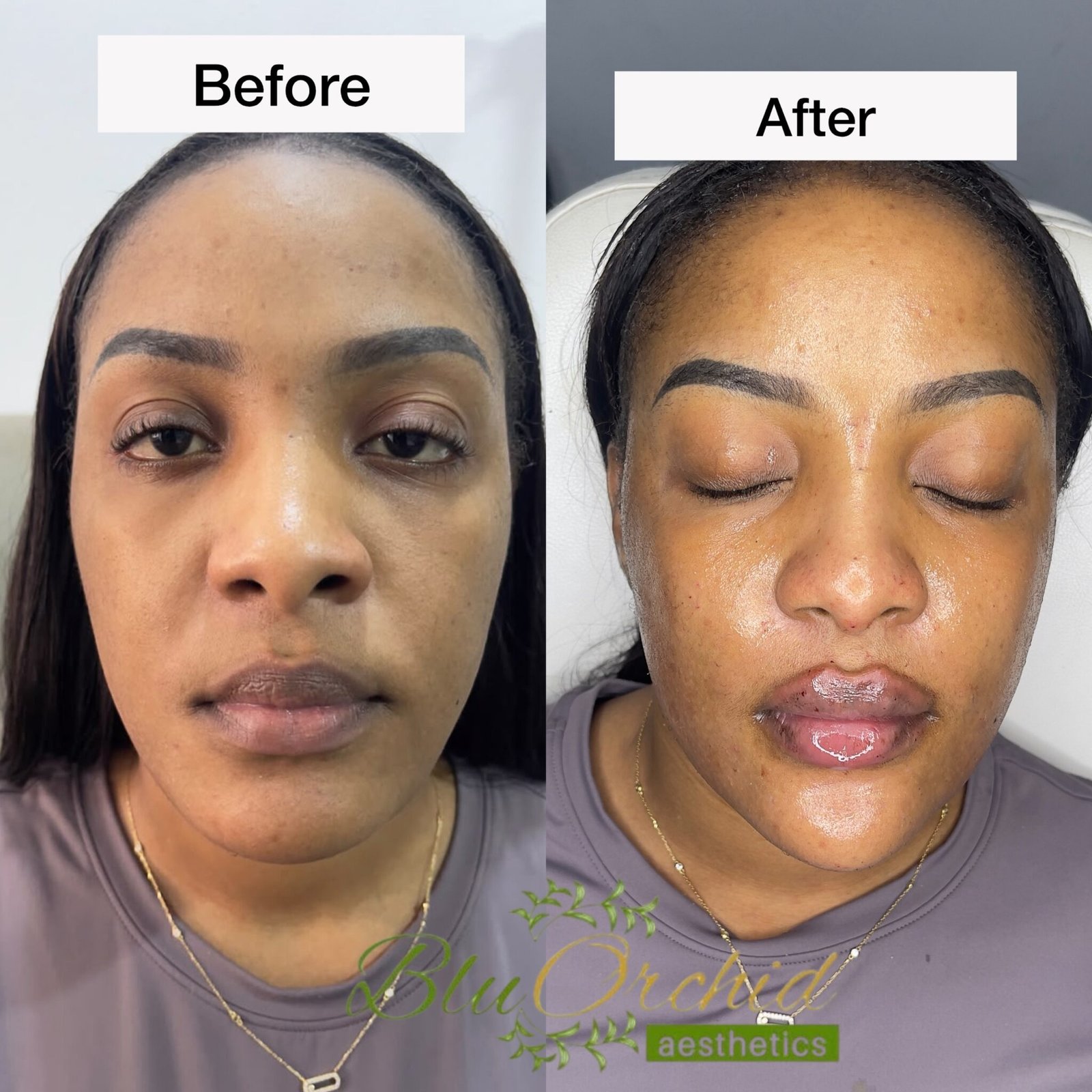
What if I only know that something looks “off”?
That is enough to start a conversation.
You do not need to arrive knowing whether you need filler, Botox or another treatment.
In fact, that is one of the reasons to have a consultation.
You might say:
“I feel like my face looks heavier than it used to.”
Or:
“I don’t like my profile, but I can’t identify exactly what is wrong.”
Or:
“I want to look fresher, but I don’t want anyone to know I have had anything done.”
Those are useful starting points.
The doctor’s role is to help identify what may be contributing to the concern and whether anything can reasonably be done about it.
What if I am worried about looking overdone?
Say so.
“Natural” is not a single treatment technique.
It is an aesthetic objective.
For one person, natural may mean preserving significant facial movement.
For another, it may mean restoring volume that has been lost with age.
For another, it may mean improving definition without noticeably increasing size.
Your doctor needs to know what natural means to you.
That preference should influence the treatment plan.
Why measurements alone are not enough
It can be tempting to think that facial profiling is simply a matter of taking measurements and applying a formula.
It is not.
Measurements provide information.
They do not replace clinical judgement.
A doctor also considers your anatomy, age, skin, muscle activity, treatment history, facial expressions and aesthetic preferences.
The same measurement can have a different visual effect on two different faces.
This is why proportion should be used as a framework rather than a rigid prescription.
The goal is balance, not perfection
There is a subtle but important difference between wanting a more balanced face and trying to create a perfect one.
Perfect symmetry is not the goal.
Neither is making every feature conform to an ideal ratio.
A successful facial assessment recognises the individuality of the face.
Sometimes the feature that makes a face distinctive is precisely what should be preserved.
The aim is to identify where a change could improve harmony while maintaining the character of the person in front of the doctor.
Frequently asked questions
What is a facial profiling consultation?
It is an assessment of the face as a whole, taking into account facial proportions, symmetry, structure, soft tissue, muscle activity, previous treatments and the patient’s aesthetic goals before recommending treatment.
What do you measure during facial profiling?
The assessment can include facial proportions, facial width and length, chin projection, jawline, lip relationships, symmetry and other features relevant to the patient’s concerns. The exact assessment varies from person to person.
Is facial profiling the same as facial analysis?
The terms can overlap, but at BluOrchid, Facial Profiling is the clinic’s named approach to assessing the whole face before deciding how individual features should be treated.
What is the Golden Ratio method?
The Golden Ratio method is a proportion-based framework used within BluOrchid’s Facial Profiling approach to discuss relationships between facial features. It is not a requirement that every face conform to one mathematical template.
Do I need to know which treatment I want before my consultation?
No. In fact, you may benefit from coming without a fixed treatment plan. The purpose of the consultation is to assess your face and determine what options, if any, may be appropriate.
Can facial profiling identify facial asymmetry?
It can help identify visible differences between the sides of the face and consider possible contributors. However, not every asymmetry requires treatment, and the underlying cause matters.
Can facial profiling tell me whether I need Botox or filler?
It can help determine whether the concern appears more related to muscle activity, volume, projection or another factor. The final recommendation should be based on your individual assessment.
Can I have facial profiling if I have had filler before?
Yes, but you should tell your doctor about previous filler and any other aesthetic treatments. Previous treatment can affect the assessment and planning of future procedures.
Does a facial profiling consultation mean I have to get treatment?
No. The consultation is an assessment and discussion. You can decide whether to proceed after understanding the recommendations.
How much is a facial profiling consultation?
The consultation fee at BluOrchid is ₦50,000 and is credited towards your selected treatment if you decide to proceed.
Your face should be assessed before it is treated
The most important part of a facial profiling consultation is not the measurement itself.
It is what the measurement helps the doctor understand.
Your face has its own proportions, expressions, structure and character.
The goal is not to erase those things.
It is to understand them well enough to make better decisions about whether anything should change, and if it should, how much.
That is the philosophy behind Facial Profiling at BluOrchid.
If you are considering facial enhancement but are unsure what would actually suit your face, Book a Consultation rather than choosing a treatment by name.
The consultation fee is ₦50,000 and is credited towards your selected treatment if you decide to proceed.
A consultation at BluOrchid begins with exactly this assessment.
One hour with our doctors. An honest assessment. A plan built around you. ₦50,000, credited in full toward your first treatment.
Book your consultation Doctor-led assessment at Lekki Phase 1, Lagos.