Postpartum Weight Loss: Medical Options in Lagos
Struggling to lose weight after childbirth? Learn about postpartum weight loss, breastfeeding, nutrition and when medical options may be appropriate.

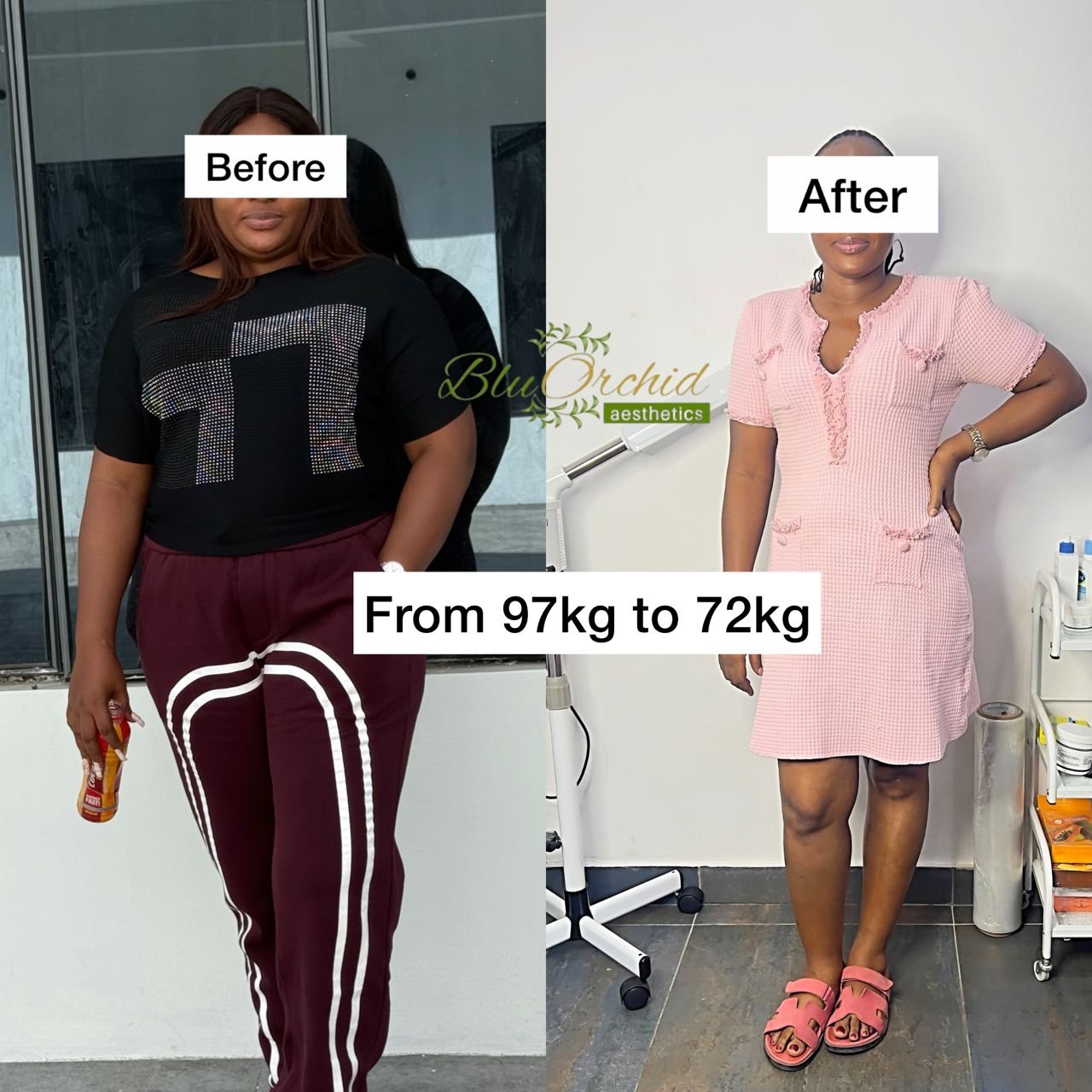
Having a baby changes your body in ways that have very little to do with willpower.
Your weight may change during pregnancy. Your appetite, sleep, activity levels and hormones may shift after delivery. You may be recovering from a vaginal birth or caesarean section while also caring for a newborn.
And if you are breastfeeding, your nutritional needs and medical decisions have another layer of complexity.
So if you are several months postpartum and thinking:
“Why can’t I seem to lose the weight?”
you are not alone.
But postpartum weight loss should not be approached as a race back to your pre-pregnancy body.
The right approach depends on how long it has been since you gave birth, whether you are breastfeeding, your health, your pregnancy history, your current weight and metabolic health, and what you actually want to achieve.
For some women, nutrition and gradual return to activity may be enough.
For others, particularly women who entered pregnancy with overweight or obesity or developed significant weight-related health concerns, medical weight management may eventually be appropriate.
First: Your body is still recovering
The weeks and months after childbirth are not simply a weight-loss phase.
Your body has gone through pregnancy, delivery and major physiological changes.
You may also be dealing with:
- Sleep deprivation
- Reduced time for exercise
- Changes in appetite
- Breastfeeding
- Pelvic-floor recovery
- Caesarean-section recovery
- Emotional changes
- Changes in eating patterns
- Reduced time to prepare meals
- A return to work while caring for a baby
All of these can influence weight.
That means the question should not simply be:
“How quickly can I lose the pregnancy weight?”
A better question is:
“What does my body need now, and what approach will help me improve my health sustainably?”
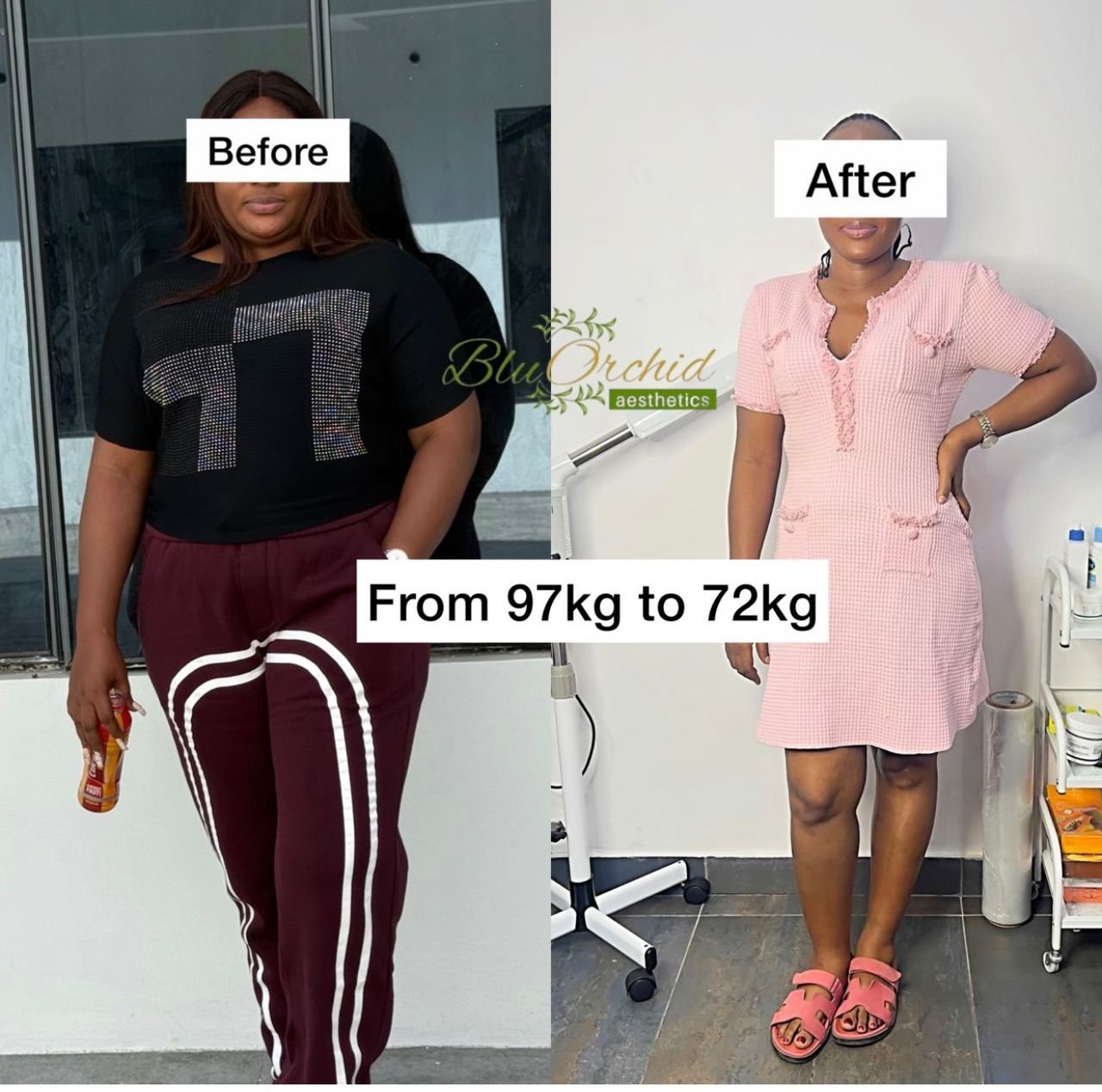
How long should you wait before trying to lose weight?
There is no single postpartum date at which every woman should begin intentional weight loss.
The timing depends on your recovery, delivery, nutritional status, breastfeeding, medical history and individual circumstances.
Early postpartum care should focus on recovery and identifying any medical problems rather than putting pressure on yourself to lose weight rapidly.
If you have recently given birth, particularly if you had complications, a caesarean section or significant blood loss, discuss your recovery with your doctor before starting a structured weight-loss programme.
The fact that a social-media influencer returned to her pre-pregnancy weight quickly does not mean that the same timeline is appropriate for you.
What if you are breastfeeding?
This is one of the most important considerations.
Breastfeeding changes the nutritional context of weight management.
You still need adequate nutrition and hydration, and an aggressive calorie-restriction approach is not appropriate simply because you want the scale to move faster.
If you are breastfeeding and considering a structured weight-loss programme, speak with your doctor or a qualified nutrition professional about how to reduce excess energy intake without compromising your nutritional needs.
And medication requires an additional conversation.
What about Mounjaro or other weight-loss injections?
This is where you should not simply follow advice intended for someone who is not breastfeeding.
The evidence and prescribing information are medication-specific.
For example, the current U.S. prescribing information for injectable semaglutide states that there are no data on the presence of subcutaneous semaglutide in human milk or its effects on the breastfed infant or milk production. It advises weighing the benefits of breastfeeding against the mother’s clinical need for the medicine and potential risks.
The current U.S. prescribing information for tirzepatide similarly reports very low or undetectable concentrations in breast milk after a single dose, but notes that there are no available data on effects on the breastfed infant or milk production.
That does not mean that every breastfeeding woman should automatically take, or automatically avoid, every weight-loss medication.
It means the decision needs to be made using the specific medication’s current prescribing information and your individual circumstances.
Do not start Mounjaro, semaglutide or another weight-loss injection while breastfeeding based solely on an online recommendation.
What if you are no longer breastfeeding?
The conversation becomes more straightforward, but medical assessment is still important.
If you are several months postpartum, have completed breastfeeding and are struggling with persistent excess weight, a doctor can assess whether you are an appropriate candidate for medical weight management.
This may involve looking at:
- Current weight and BMI
- Waist circumference
- Blood pressure
- Blood glucose
- Cholesterol and other metabolic factors
- Your pregnancy and delivery history
- Current medications
- Sleep
- Eating patterns
- Physical activity
- Your reproductive plans
- Your previous weight-management attempts
The goal is to understand why the weight has remained difficult to lose and whether medication is actually appropriate.
Weight loss at BluOrchid Aesthetics, Lagos
Medical weight management is not the same as a crash diet
If medication is appropriate, it should sit inside a broader treatment plan.
Prescription weight-management medicines such as tirzepatide are intended to be used alongside dietary and physical-activity measures, rather than replacing them.
That might mean working on:
Nutrition → movement → sleep → medication where appropriate → monitoring
rather than:
Injection → eat as little as possible → lose weight quickly.
The second approach can create unrealistic expectations and may not provide your body with the nutrition it needs.
What medical options are available after childbirth?
There is no single postpartum weight-loss treatment.
Depending on your circumstances, options may include:
1. Nutrition-led weight management
For some women, this is the appropriate first step.
Rather than following a highly restrictive diet, the focus may be on:
- Adequate protein
- Vegetables and fruit
- High-fibre foods
- Appropriate carbohydrate portions
- Reducing frequent energy-dense snacks
- Reducing sugary drinks
- More structured meals
- Hydration
- Sustainable portion control
And importantly, this can be done using normal Nigerian foods.
You do not need to live on salads and protein shakes.
Rice, beans, yam, plantain, swallow, fish, chicken, eggs, vegetables and traditional soups can all fit into a balanced eating pattern.
The goal is to create an eating pattern you can maintain while caring for your child.
2. Structured physical activity
Exercise after childbirth should reflect your recovery rather than an arbitrary weight-loss target.
Your return to activity may depend on:
- How you delivered
- Whether you had complications
- Caesarean-section recovery
- Pelvic-floor symptoms
- Your previous fitness level
- Any medical restrictions
For some women, the starting point may simply be walking and gradually becoming more active.
For others, a more structured programme may eventually be appropriate.
If you experience significant pain, pelvic-floor symptoms, unusual bleeding or other concerning symptoms when becoming active, speak with your healthcare provider.
3. Prescription weight-loss medication
For appropriately selected women, prescription medication may be considered as part of medical weight management.
Medicines such as tirzepatide and semaglutide can produce substantial weight loss in people who meet the relevant treatment criteria.
But postpartum status changes the conversation.
The clinician needs to know:
- Are you breastfeeding?
- Are you planning another pregnancy?
- Are you using contraception?
- How recently did you give birth?
- Are you recovering from a caesarean section?
- Do you have diabetes?
- Do you have high blood pressure?
- Do you have a history of gallbladder disease or pancreatitis?
- What medications are you already taking?
A weight-loss injection is not simply a cosmetic treatment for a post-baby stomach.
What if you want another baby soon?
This matters enormously.
Postpartum weight management should be planned around your reproductive timeline.
If you are hoping to become pregnant again soon, tell your doctor before starting weight-loss medication.
Weight-loss medicines are not intended for use during pregnancy.
For example, the current prescribing information for tirzepatide states that weight loss offers no benefit during pregnancy and may cause fetal harm, and advises discontinuation when pregnancy is recognised.
Semaglutide has an especially long elimination period. Its prescribing information recommends discontinuing it at least two months before a planned pregnancy.
Tirzepatide also has important reproductive considerations. Current prescribing information recommends discontinuing it before planned pregnancy and includes information about its interaction with oral hormonal contraceptives.
This is why postpartum weight management should never be separated from your plans for future pregnancies.
What if your periods have not returned?
If you are breastfeeding, periods can remain absent or irregular for some time.
But menstrual changes after childbirth should be interpreted in context.
If you are not breastfeeding and your periods remain absent or significantly irregular, or if you have other symptoms, speak with your doctor.
And remember:
Not having a period does not necessarily mean you cannot become pregnant.
Ovulation can occur before the first postpartum period.
If you are sexually active and do not want another pregnancy, discuss appropriate contraception with your healthcare provider.
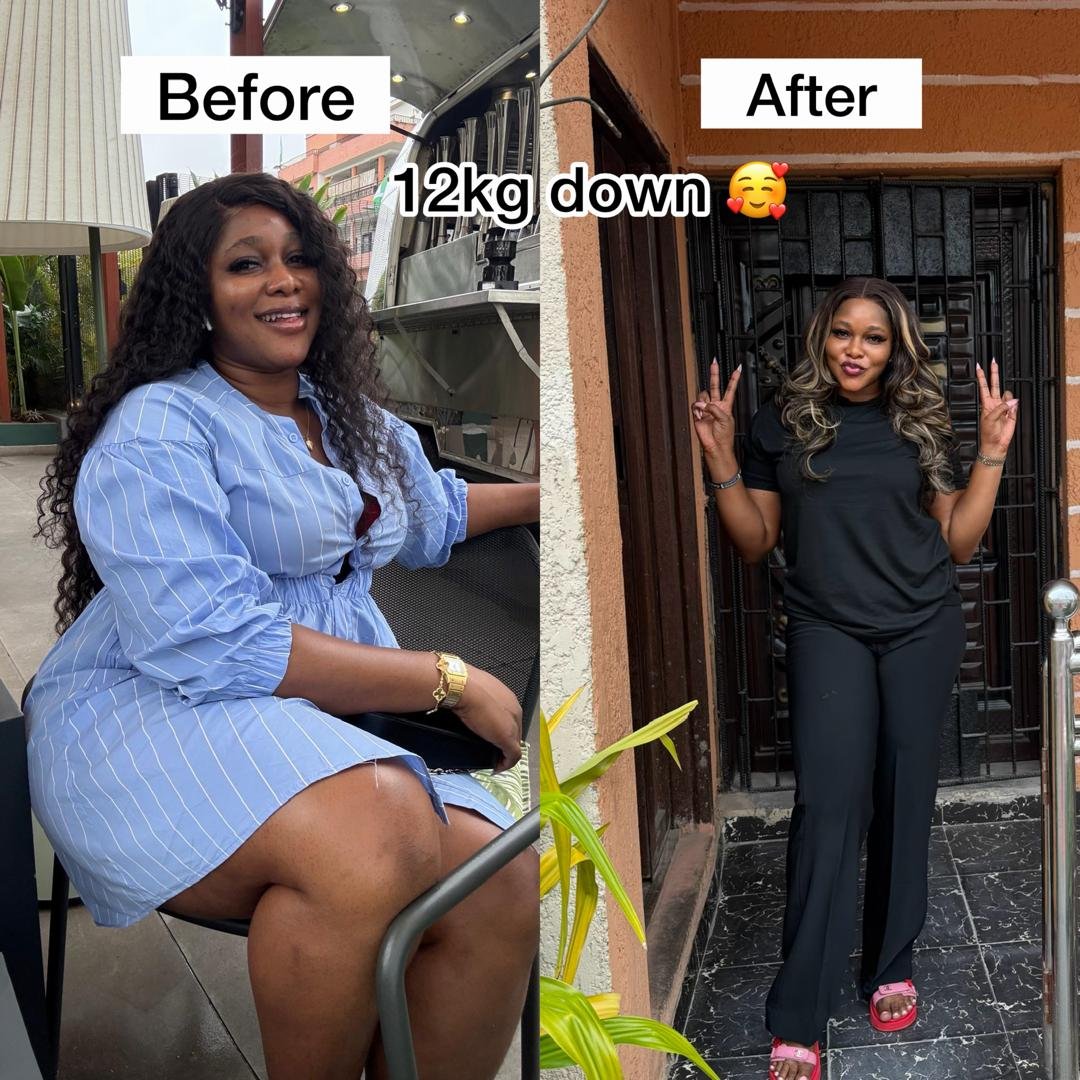
Could postpartum thyroid problems affect your weight?
Sometimes.
Thyroid problems can occur around the postpartum period, and symptoms can overlap with the ordinary exhaustion of having a newborn.
Depending on the situation, symptoms may include changes in energy, mood, heart rate, temperature tolerance and weight.
This is one reason persistent or unexplained difficulty with weight should not automatically be blamed on eating too much or exercising too little.
If you have significant symptoms or concerns about your thyroid after childbirth, your doctor can determine whether testing is appropriate.
What if the problem is not actually body weight?
This is an important distinction.
After childbirth, some women are particularly concerned about:
- A persistent lower abdomen
- Loose abdominal skin
- A change in body shape
- A wider-looking waist
- Stretch marks
- Changes around the hips or thighs
Not all of these are problems that weight loss can solve.
You can lose weight and still have loose skin.
You can return to your previous weight and still have a different abdominal contour.
And a postpartum body can look different even when your health is excellent.
That is why medical weight management and aesthetic body-contouring treatments should not be treated as interchangeable.
When should you consider medical help?
Consider speaking with a doctor if:
- You have significant excess weight that has persisted after childbirth
- Weight is affecting your blood pressure, glucose or other aspects of health
- You have repeatedly tried to lose weight without sustainable results
- You are considering prescription weight-loss medication
- You are breastfeeding and considering medication
- You are planning another pregnancy
- You have symptoms suggesting a hormonal or metabolic problem
- You are unsure whether you need weight loss or body contouring
The purpose of the consultation is not simply to prescribe an injection.
It is to determine what is actually happening and what type of intervention, if any, makes sense.
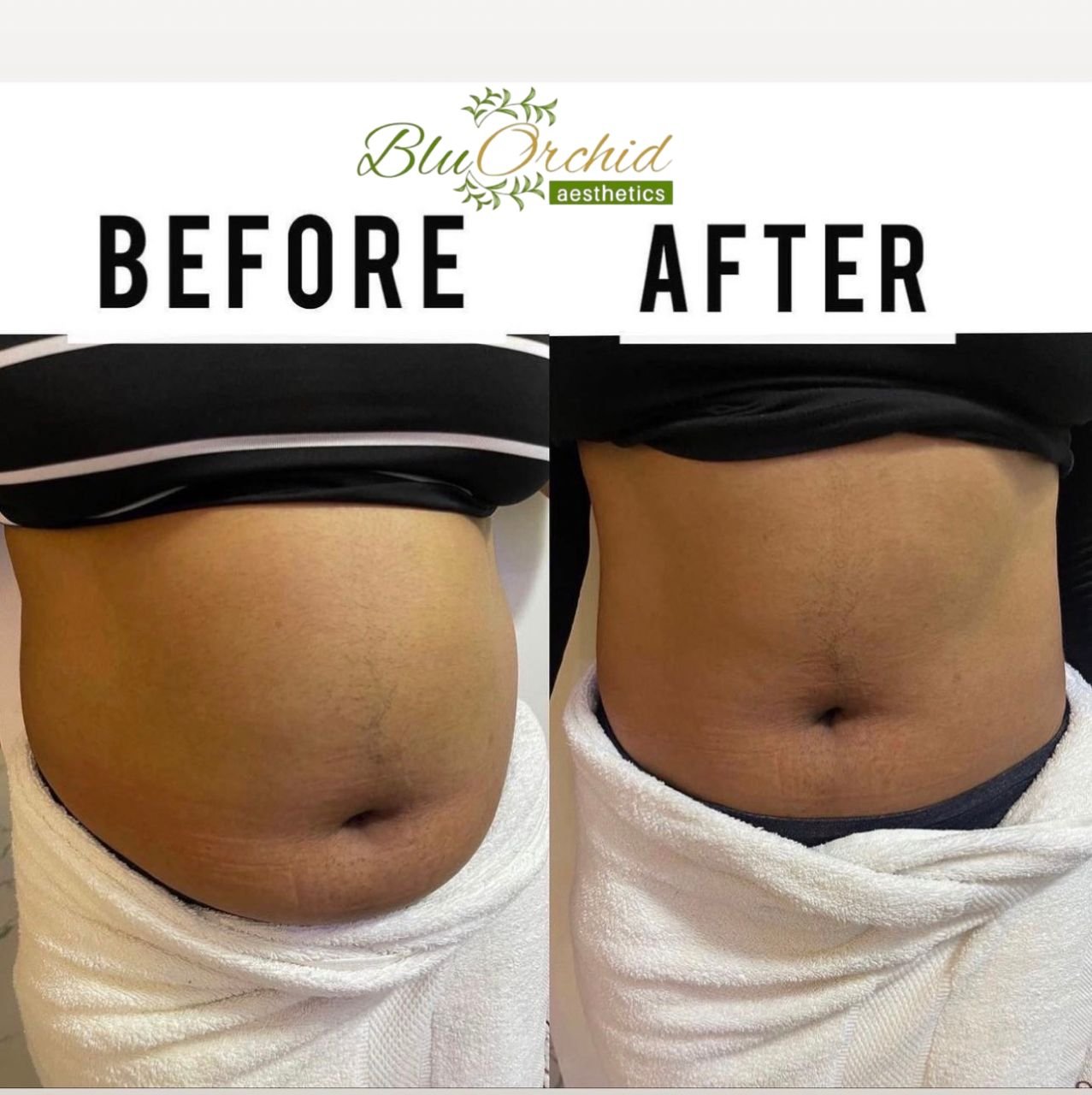
What about postpartum belly fat?
This is one of the most common concerns after childbirth.
But “belly fat” can describe several different things.
It may involve:
- Overall excess body fat
- Localised subcutaneous fat
- Loose skin
- Changes in abdominal wall shape
- Postpartum changes in body composition
- A combination of factors
Weight-loss medication can help reduce overall body weight in appropriate patients.
It cannot selectively choose one area of the body and remove only postpartum abdominal fat.
If you are already at a healthy weight but have a localised area that concerns you, the appropriate discussion may be different.
That is where assessment matters.
What if you had a caesarean section?
A caesarean section is major abdominal surgery.
Your recovery should be considered before starting intensive exercise or pursuing aggressive weight loss.
If you have ongoing pain, a persistent wound problem, a bulge, significant scar discomfort or other unusual symptoms, seek medical assessment rather than assuming it is simply postpartum fat.
Once you have been medically cleared for activity, your exercise plan can be progressed according to your recovery.
A realistic postpartum approach
For many women, a sensible sequence looks something like this:
Step 1: Recover
Give your body appropriate time and care after delivery.
Step 2: Assess
Look at your weight, health, nutrition, activity, symptoms and reproductive plans.
Step 3: Build sustainable habits
Improve food quality, portion awareness, movement and sleep where possible.
Step 4: Review progress
If weight remains a significant health concern despite appropriate measures, discuss medical options.
Step 5: Consider medication only if appropriate
If prescription weight management is suitable, it should be medically supervised.
This approach is slower than chasing a dramatic transformation.
But postpartum health is not a race.
The bottom line
Losing weight after childbirth is not simply about eating less and exercising more.
Your body has been through pregnancy and delivery, and your circumstances may now include breastfeeding, sleep deprivation, hormonal changes, a recovering abdominal wall and the possibility of another pregnancy.
For some women, nutrition and gradual physical activity will be enough.
For others, particularly those with persistent obesity or weight-related health problems, prescription medical weight management may be appropriate after proper assessment.
Weight-loss injections such as semaglutide and tirzepatide can be useful medical tools, but pregnancy, breastfeeding and future reproductive plans have to be considered carefully. The current prescribing information for these medicines contains specific pregnancy and lactation considerations, so treatment should never be started casually after childbirth.
Most importantly, you do not need to punish your postpartum body into changing.
The right treatment is the one that supports your health now while taking into account the life you are actually living.
Frequently asked questions
How soon after giving birth can I start losing weight?
There is no universal timeline. Early postpartum care should prioritise recovery and medical assessment. The appropriate time to pursue intentional weight loss depends on your recovery, health, breastfeeding status and individual circumstances.
Can I take Mounjaro after having a baby?
Possibly, if you are an appropriate candidate for medical weight management. But breastfeeding, pregnancy plans, contraception, medical history and other factors need to be considered first.
Can I take Mounjaro while breastfeeding?
Do not make this decision without medical advice. Current tirzepatide prescribing information reports very low or undetectable concentrations in breast milk after a single dose but notes that the effects on breastfed infants and milk production are not known.
Can I take Wegovy while breastfeeding?
The current prescribing information for injectable semaglutide states that there are no data on its presence in human milk or its effects on the breastfed infant or milk production. The decision therefore requires an individual assessment of maternal need and potential risks.
Can I use weight-loss injections if I want another baby?
Discuss this before starting treatment. Weight-loss medicines should not be used during pregnancy, and the recommended interval between stopping treatment and attempting pregnancy differs by medication. Semaglutide prescribing information recommends stopping at least two months before a planned pregnancy.
Why am I still gaining weight after childbirth?
There can be many reasons, including changes in food intake, reduced activity, sleep disruption, medication, hormonal or metabolic conditions and changes in body composition. Persistent or unexplained weight gain deserves a proper medical assessment rather than automatically being attributed to lifestyle.
Can breastfeeding help me lose the pregnancy weight?
Breastfeeding changes energy requirements, but it should not be treated as a guaranteed weight-loss strategy. Individual weight changes vary considerably.
What if I have lost weight but still have a postpartum belly?
The remaining abdominal appearance may involve localised fat, loose skin, changes in abdominal shape or a combination of factors. Weight loss is not necessarily the solution to every postpartum body-contouring concern.
Should I take a weight-loss injection just to get back to my pre-pregnancy weight?
Not necessarily. The decision to use prescription weight-management medication should be based on medical suitability and health goals, not simply on returning to a particular number on the scale.
Considering postpartum medical weight management?
If you have given birth and are struggling with persistent weight gain or excess weight, the first step is understanding what your body needs now.
At BluOrchid Aesthetics, medical weight management begins with a clinical assessment rather than an automatic prescription.
Book a Consultation to discuss your current weight, health history, reproductive plans and whether medically supervised weight management may be appropriate for you.
- Book a Consultation: consultation
- Medical Weight Loss in Lagos: weightloss
Clinical sources
- Current prescribing information for WEGOVY (semaglutide).
- Current prescribing information for ZEPBOUND (tirzepatide).
- American College of Obstetricians and Gynecologists resources on postpartum care and reproductive planning.
A consultation at BluOrchid begins with exactly this assessment.
One hour with our doctors. An honest assessment. A plan built around you. ₦50,000, credited in full toward your first treatment.
Book your consultation Doctor-led assessment at Lekki Phase 1, Lagos.