Stretch Marks: What Can Actually Fade Them?
Can stretch marks really be removed? Learn what can fade stretch marks, what does not work, and why treatment depends on their age and appearance.


Stretch marks are one of those skin concerns where the internet tends to promise far more than treatment can realistically deliver.
One cream says it will erase them.
Another promises completely smooth skin.
Someone recommends cocoa butter. Someone else recommends oil. Another person suggests scrubbing them away.
The reality is much less dramatic, but also more useful.
Stretch marks are a form of scar. They can become less noticeable, but no treatment can reliably erase them completely.
What works best depends on several things, including how old the stretch marks are, what they look like, your skin type and the treatment being considered. The American Academy of Dermatology notes that stretch marks generally fade naturally with time, while treatment can make them less noticeable more quickly.
So, if you are asking, “How do I remove stretch marks?”, the better question is:
“Which treatment can make my stretch marks less noticeable?”
What exactly are stretch marks?
Stretch marks, medically called striae distensae, develop when the skin stretches or changes relatively quickly.
They can appear during:
- Pregnancy
- Puberty and growth spurts
- Rapid weight gain
- Rapid weight loss
- Significant muscle growth
- Certain hormonal or medical conditions
- Prolonged use of corticosteroids on the skin
The stretching process affects the dermal structure of the skin, including collagen and elastin.
That is why a stretch mark is not simply a surface-level pigmentation problem.
It is a change in the structure of the skin.
This distinction explains why ordinary moisturisers may make the surrounding skin feel softer without actually removing the stretch mark.

Red stretch marks vs white stretch marks
Not all stretch marks are at the same stage.
Newer stretch marks
Early stretch marks may appear:
- Red
- Pink
- Purple
- Reddish-brown
- Dark brown
The exact colour can vary depending on your skin tone.
These are sometimes called striae rubrae.
They may also feel slightly raised or itchy when they first develop.
Older stretch marks
Over time, stretch marks usually become lighter and more depressed.
They may appear:
- White
- Silver
- Pale
- Less noticeable in colour but more obvious because of their texture
These are often referred to as striae alba.
This distinction matters because newer stretch marks can be more responsive to certain treatments than mature ones.
That does not mean old stretch marks cannot be treated.
It means expectations need to be different.
Can stretch marks actually disappear?
Usually, no.
Stretch marks are scars, and scars generally cannot be completely erased.
But they can become less visible.
That might mean reducing:
- Colour contrast
- Width
- Texture
- Depth
- Overall visibility
The American Academy of Dermatology is clear that treatment can make stretch marks less noticeable, but procedures cannot completely get rid of them.
That distinction is important when evaluating any clinic, product or treatment promising “stretch mark removal.”
What actually helps stretch marks?
There is no single best treatment.
Current evidence includes several approaches:
- Prescription topical treatments for selected early stretch marks
- Microneedling
- Radiofrequency treatments
- Laser treatments
- Chemical peels in selected situations
- Combination treatment
- PRP as an adjunct in some protocols
A 2025 systematic review of 69 studies found evidence for several approaches, including tretinoin and glycolic acid for more recent stretch marks, as well as laser and radiofrequency treatments. It also found evidence supporting combination approaches, while noting that the overall evidence remains heterogeneous and does not establish one universal treatment.
In other words:
The treatment should be chosen for the stretch mark, not the other way around.
1. Microneedling
Microneedling is one of the procedures used to improve the appearance of stretch marks.
It uses very fine needles to create controlled micro-injuries in the skin.
The goal is to stimulate the body’s wound-healing response and encourage collagen remodelling.
Over time, this can help improve the texture and appearance of stretch marks.
The American Academy of Dermatology lists microneedling among procedures that can fade stretch marks and notes that it is considered safe across skin tones when properly performed.
This can make microneedling particularly interesting for people with darker skin who want to improve stretch marks without automatically moving to more aggressive resurfacing.
A systematic review and meta-analysis of microneedling for stretch marks found evidence of clinical improvement, with microneedling showing comparable effectiveness to laser treatments in one subgroup analysis.
But microneedling is not a one-session eraser.
It usually requires a treatment plan, and improvement develops gradually as collagen remodels.
2. Radiofrequency and microneedling radiofrequency
Radiofrequency treatments use controlled energy to heat tissue and stimulate remodelling.
Some systems combine radiofrequency with microneedling, delivering energy at controlled depths within the skin.
This approach has been studied for stretch marks and may be particularly useful when the goal is to improve both texture and dermal remodelling.
A systematic review of energy-based devices found that radiofrequency, ablative lasers, non-ablative lasers and intense pulsed light can all reduce the appearance of stretch marks, although no single energy-based treatment was clearly superior across the studies.
The choice therefore depends on the stretch marks, skin type, treatment area and the specific device and protocol being used.
Trust at BluOrchid Aesthetics, Lagos
3. Laser treatments
Different lasers target different aspects of stretch marks.
Some are designed primarily to address colour.
Others create controlled injury that stimulates collagen remodelling.
Laser treatment can therefore be considered for selected stretch marks, particularly when texture or colour is a significant concern.
But lasers require careful consideration in darker skin.
Certain energy-based treatments can cause unwanted pigmentation changes if the skin is not appropriately assessed and treated.
That does not mean people with dark skin cannot have laser treatment.
It means the device, settings, indication and clinician experience matter.
Recent reviews continue to identify laser treatments as potentially effective options while emphasising the importance of skin type and treatment selection.
4. PRP
Platelet-rich plasma, or PRP, has also been studied for stretch marks.
PRP is prepared from the patient’s own blood and contains a concentrated platelet component.
Its proposed role is to support tissue repair and remodelling.
PRP may be used alongside another treatment rather than being treated as a standalone “stretch mark eraser.”
A recent systematic review found that PRP may be useful in combination with other approaches, although the evidence does not establish PRP as a universally superior treatment.
This is an important distinction.
PRP may be part of a treatment plan. It is not a guarantee of complete scar removal.
5. Chemical peels
Chemical peels have also been used to treat stretch marks.
A peel applies a chemical solution to the skin to produce controlled exfoliation and, depending on the formulation and depth, stimulate changes in the skin.
However, stretch marks are deeper structural changes in the dermis.
A superficial peel therefore should not be presented as though it can simply “peel away” a stretch mark.
The type of peel, concentration, depth and patient’s skin characteristics all matter.
And for darker skin, inappropriate peeling can cause irritation and pigmentation problems.
6. Prescription tretinoin
Tretinoin is a prescription retinoid that has been studied for early stretch marks.
Some studies have found that tretinoin can make newer stretch marks less noticeable over time.
The American Academy of Dermatology notes that tretinoin may help early stretch marks, while also pointing out that treatment appears to have little effect on mature stretch marks.
This is very different from saying that any retinol cream can remove old stretch marks.
And there is an important safety consideration:
Tretinoin should not be used during pregnancy.
If you are pregnant, trying to conceive or breastfeeding, speak with your doctor before using a retinoid-containing product.
What about cocoa butter, oils and vitamin E?
This is where marketing often gets ahead of evidence.
Cocoa butter, almond oil, olive oil and vitamin E are frequently recommended as stretch-mark remedies.
They may moisturise the skin.
But moisturising is not the same as removing a scar.
Studies have not shown these popular home remedies to reliably prevent or remove stretch marks. The AAD specifically notes that almond oil, cocoa butter, olive oil and vitamin E did not prevent stretch marks in studies.
So if you enjoy using a body oil, there is nothing inherently wrong with moisturising your skin.
Just don’t expect it to rebuild the dermis and erase an established stretch mark.

What about “stretch mark removal creams”?
Be careful with the word removal.
Some topical products may improve the appearance of early stretch marks, particularly products containing ingredients with some evidence behind them.
But most over-the-counter creams and lotions cannot completely remove established stretch marks.
The AAD recommends that if you are going to try a topical product, consistency matters: products need to be used regularly for weeks, and early stretch marks are more likely to respond than mature ones.
A product that promises to “erase 100% of stretch marks” deserves scepticism.
Can weight loss remove stretch marks?
No.
Losing weight can reduce the amount of body fat and change the shape of the body.
But an existing stretch mark is a change in the skin itself.
In fact, rapid weight changes can contribute to the development of stretch marks in some people.
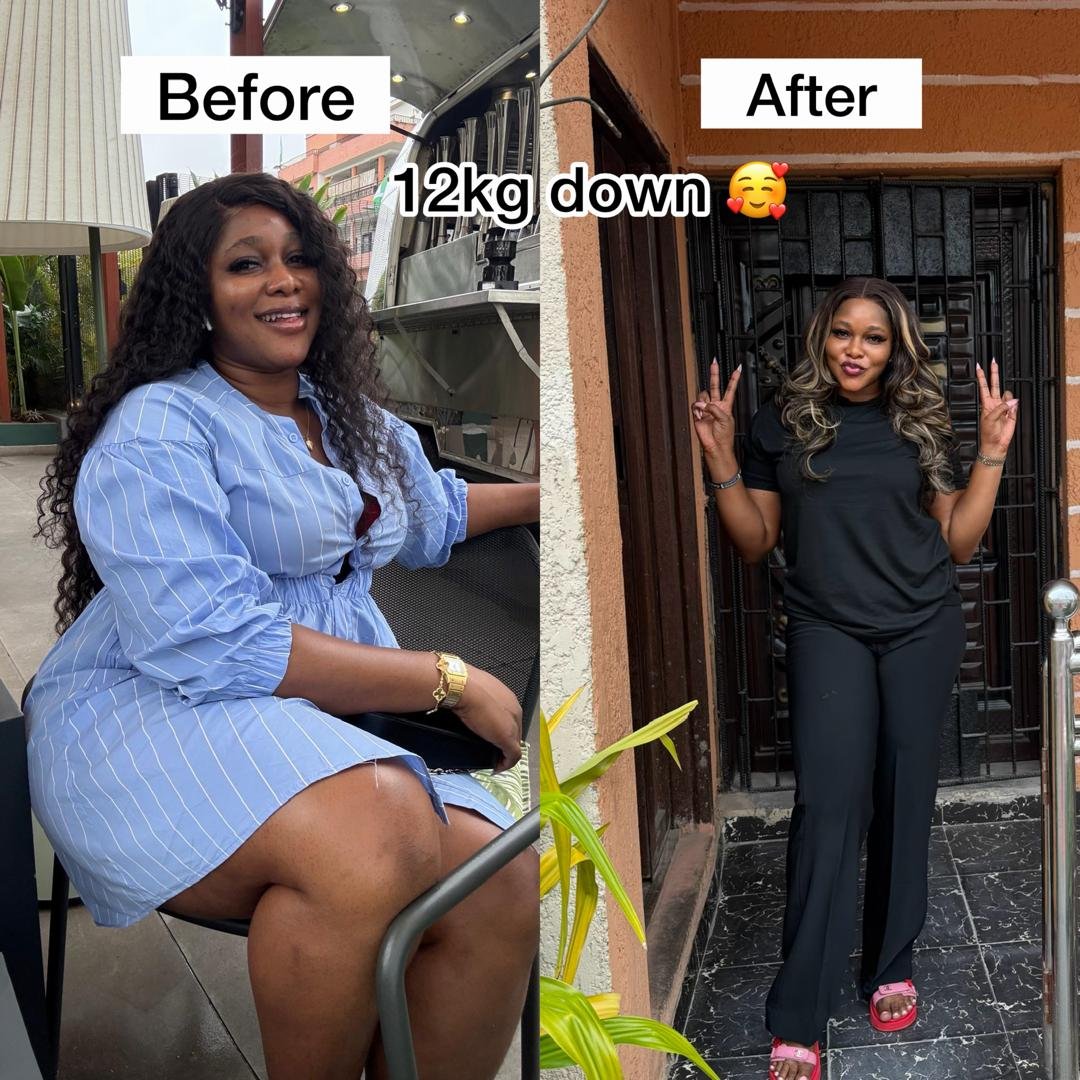
If you have lost significant weight and are now left with stretch marks and loose skin, those are two separate concerns.
A weight-management plan addresses body weight.
A stretch-mark treatment addresses the appearance and texture of the skin.
What about stretch marks after pregnancy?
Pregnancy is one of the most common times for stretch marks to appear.
They may develop on the:
- Abdomen
- Breasts
- Hips
- Thighs
- Buttocks
They often fade naturally after pregnancy, although they may remain visible.
Treatment decisions should take into account whether you are still pregnant, breastfeeding and whether your skin has fully recovered from childbirth.
If you are pregnant or breastfeeding, speak with your doctor before using prescription or active topical treatments. In particular, retinoid-containing products require caution during pregnancy.
What if the stretch marks appeared after weight loss?
This is common.
Rapid changes in body size can contribute to stretch marks, and weight loss may make existing marks more noticeable as the surrounding skin changes.
Treatment should therefore be based on what is actually present.
If the main issue is stretch marks, treating the marks themselves may help.
If there is also significant loose skin, a stretch-mark procedure alone cannot remove excess skin.
Can stretch marks be prevented?
Unfortunately, prevention is not as simple as applying a particular oil every day.
Many popular products have been studied without showing reliable prevention.
Some evidence suggests ingredients such as centella or hyaluronic acid may have preventive potential, but prevention remains difficult because genetics, hormones and the degree and speed of skin stretching all play a role.
This is why two people can experience similar weight gain or pregnancy and have very different numbers and severity of stretch marks.
Why your skin type matters
Treatment should always take pigmentation into account.
This is particularly important for darker skin.
A procedure that deliberately creates controlled inflammation can sometimes trigger post-inflammatory hyperpigmentation.
That does not mean darker skin cannot be treated.
It means the clinician needs to consider:
- Your baseline skin tone
- Your history of pigmentation
- The age and colour of the stretch marks
- The treatment modality
- The treatment intensity
- Your healing response
For someone prone to pigmentation, the most aggressive-looking treatment is not necessarily the best treatment.
Which treatment is right for which stretch mark?
A useful way to think about the options is:
| Stretch-mark concern | Treatments that may be considered |
|---|---|
| Newer red or purple marks | Selected topical treatments, vascular/laser approaches, microneedling or other procedures depending on assessment |
| Older white marks | Microneedling, radiofrequency, laser or combination approaches |
| Textural or depressed stretch marks | Collagen-remodelling treatments such as microneedling or selected energy-based procedures |
| Stretch marks with significant pigmentation | Treatment selected carefully to avoid unnecessary inflammation or pigment change |
| Extensive or mixed stretch marks | Individualised treatment plan, potentially combining modalities |
This is not a prescription table.
It is a starting point for understanding why there is no universal “best stretch-mark treatment.”
Recent reviews consistently point to the same broader conclusion: multiple treatments can help, but evidence quality varies and no single treatment reliably eliminates stretch marks.
How many treatments will you need?
There is no universal number.
Stretch marks vary significantly in:
- Age
- Width
- Depth
- Colour
- Location
- Skin type
- Severity
A treatment designed to stimulate collagen also needs time for the skin to remodel.
That means treatment is usually assessed over a period of time rather than judged immediately after a procedure.
Your clinician may recommend a course of treatments rather than a single appointment.
What should you expect from treatment?
The realistic goal is improvement, not perfection.
Depending on the treatment, improvement may mean that stretch marks become:
- Less obvious
- Closer in colour to surrounding skin
- Smoother in texture
- Narrower or shallower
- Less visually distracting
But the marks may remain.
This is why a responsible treatment consultation should focus on how much improvement is realistically possible, rather than promising that the skin will become completely mark-free.
When should you get stretch marks checked medically?
Most stretch marks are harmless.
But if you develop extensive stretch marks suddenly without an obvious explanation, or they appear alongside other unusual symptoms, it is worth discussing them with a doctor.
Certain medical conditions and prolonged corticosteroid exposure can be associated with stretch marks.
A medical assessment can help distinguish an ordinary cosmetic concern from a situation that deserves further investigation.
Frequently asked questions
Can stretch marks be completely removed?
No treatment can reliably and completely remove stretch marks. Treatment can make them less noticeable.
What is the best treatment for stretch marks?
There is no single best treatment for everyone. Microneedling, radiofrequency, laser treatments, selected topical treatments and combination approaches may all have a role depending on the type and age of the stretch marks.
Does microneedling work for stretch marks?
Microneedling can improve the appearance of stretch marks by stimulating collagen remodelling. Evidence supports it as one of the procedural options for stretch marks.
Does cocoa butter remove stretch marks?
No. Cocoa butter can moisturise the skin, but studies have not shown it to reliably remove or prevent stretch marks.
Does losing weight make stretch marks disappear?
No. Weight loss can change body shape, but it does not remove established stretch marks.
Are old white stretch marks harder to treat?
Generally, mature stretch marks are more difficult to improve with topical products than newer stretch marks. Procedural treatments may still improve their appearance.
Can I treat stretch marks while pregnant?
Do not start an active or prescription treatment without speaking with your doctor. Retinoid-containing treatments such as tretinoin should be avoided during pregnancy.
Can people with dark skin treat stretch marks?
Yes. Treatment can be performed on darker skin, but the risk of post-inflammatory pigmentation needs to be considered when choosing and performing procedures.
Will one treatment session remove my stretch marks?
That is unlikely. Collagen-remodelling treatments generally require time and, depending on the severity, a series of treatments. No responsible clinician should guarantee complete removal.
The bottom line
Stretch marks are not simply a problem of dry skin.
They are a type of scar caused by changes in the structure of the skin.
That is why oils and ordinary moisturisers cannot simply erase them.
The treatments with the most meaningful potential are those that target the skin’s structure and remodelling process, including microneedling, radiofrequency, selected laser treatments and, in appropriate cases, topical prescription treatments or combination approaches.
But the right treatment depends on whether your stretch marks are new or mature, their colour and texture, your skin type and your medical history.
And the goal should be realistic:
not perfect, untouched skin, but stretch marks that are less noticeable than they are today.
If your stretch marks are bothering you, a consultation can help determine what type you have and which treatment options are appropriate for your skin.
A consultation at BluOrchid begins with exactly this assessment.
One hour with our doctors. An honest assessment. A plan built around you. ₦50,000, credited in full toward your first treatment.
Book your consultation Doctor-led assessment at Lekki Phase 1, Lagos.