Facials During Pregnancy: What Is Safe?
Which facials are safe during pregnancy? Learn what to avoid, which ingredients need caution and how to choose a pregnancy-conscious facial.

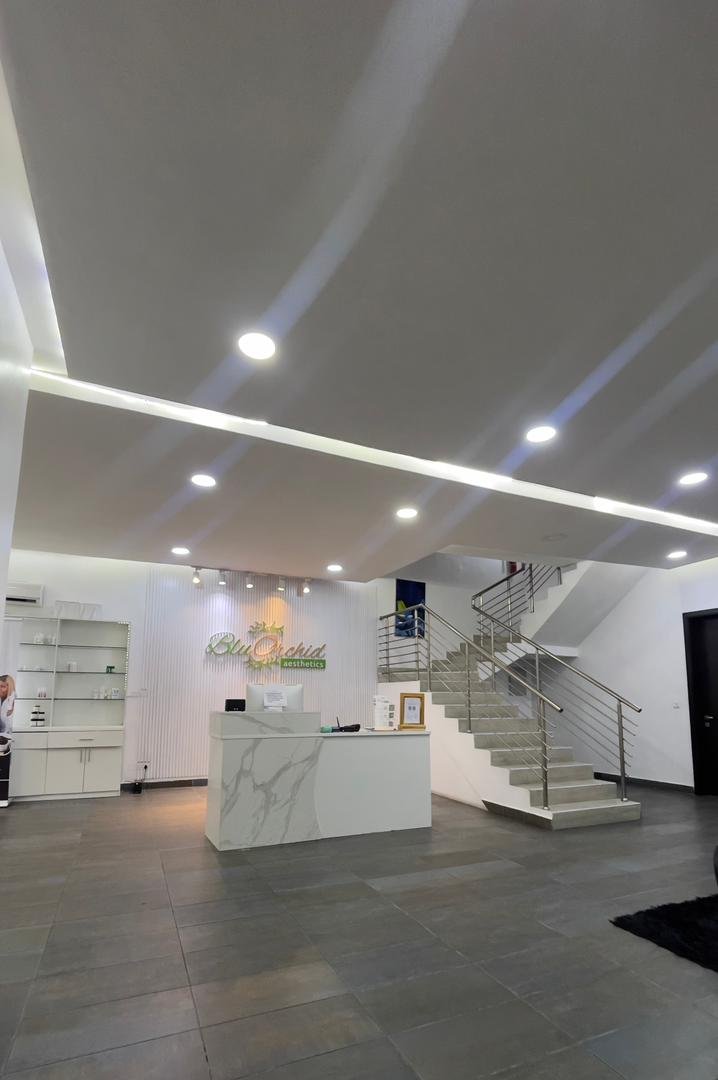
Pregnancy can change your skin in ways you may not have expected.
You may suddenly develop more pigmentation. Your skin may feel drier, oilier or more sensitive. Acne can appear or become more noticeable. Even skincare products you have used for years may suddenly feel irritating.
So it is completely reasonable to ask:
Can I still have a facial while I am pregnant?
The answer is usually more nuanced than simply yes or no.
Some gentle facial treatments may be considered during pregnancy, but elective aesthetic procedures and certain active ingredients are best avoided because safety data are limited.
The safest approach is to look at what the facial actually contains and what it is trying to achieve, rather than assuming that every treatment described as a “facial” has the same safety profile.
Can you have a facial during pregnancy?
In many cases, a simple, gentle facial may be considered during pregnancy.
But pregnancy is not the time to choose a facial simply because it is labelled “natural,” “detoxifying” or “deep cleansing.”
A facial can involve:
- Cleansing
- Exfoliation
- Extractions
- Chemical acids
- Retinoids
- Light or laser devices
- Strong active ingredients
- Topical anaesthetics
- Injectable treatments
Those components do not all have the same safety considerations.
Reviews of cosmetic procedures during pregnancy consistently highlight the limited quality of safety evidence for many elective aesthetic procedures. As a result, non-essential cosmetic treatments are often deferred when there is uncertainty.
The practical rule is simple:
The gentler and simpler the facial, the easier it is to assess what you are actually being exposed to.
What makes a facial pregnancy-conscious?
A pregnancy-conscious facial generally avoids unnecessary exposure to ingredients, procedures or technologies for which pregnancy safety has not been established.
That means your practitioner should know:
- How far along you are.
- Whether your pregnancy is uncomplicated.
- What skincare and medications you are currently using.
- Whether you have developed new pigmentation, acne or sensitivity.
- Exactly which products and active ingredients will be used.
- Whether any device or chemical peel is part of the treatment.
You should not have to discover the ingredients after the treatment has started.
Facials that may be considered during pregnancy
There is no single official list of “pregnancy-safe facials,” because the safety depends on the actual products, concentrations, techniques and individual circumstances.
However, a simple, non-invasive facial built around gentle cleansing, moisturising and appropriate skin support is generally easier to consider than a treatment involving strong acids, lasers or injectable products.
Gentle cleansing facial
A straightforward facial involving:
- Gentle cleansing
- Mild, non-aggressive exfoliation where appropriate
- Moisturisation
- Hydration
- Sun protection
may be considered for many pregnant patients.
The key is that the products used should be reviewed rather than assuming that every facial product is appropriate during pregnancy.
Gentle hydration-focused facial
If pregnancy has left your skin feeling dry or uncomfortable, a simple hydration-focused treatment may make more sense than an aggressive exfoliating facial.
Pregnancy is not the ideal time to pursue maximum exfoliation simply because your skin looks dull.
Sometimes the better goal is to support the skin barrier.
Limited, gentle extractions
If you have congestion, carefully performed extractions may sometimes be included.
However, this should not become an aggressive procedure.
Pregnancy can make some people’s skin more reactive, and unnecessary inflammation is particularly undesirable if you are prone to pigmentation.
What about microdermabrasion during pregnancy?
This is one area where the literature is not completely uniform.
Some dermatology reviews describe microdermabrasion as a procedure that can be performed during pregnancy with caution, while broader reviews emphasise the limited evidence surrounding elective cosmetic procedures.
That distinction matters.
“There is no established major risk” is not the same statement as “this is proven completely safe.”
If microdermabrasion is being considered during pregnancy, the intensity, your skin condition and the reason for treatment should all be assessed.
If your skin is already irritated or unusually sensitive, a gentler option may be more appropriate.
What about chemical peels?
This is where you need to pay much closer attention to the ingredients.
Not all chemical peels are equivalent.
Some evidence reviews suggest that superficial glycolic and lactic acid peels have relatively low systemic absorption and may be considered when clinically appropriate. However, the evidence base remains limited. Salicylic acid and stronger peels require greater caution.
For an elective cosmetic facial during pregnancy, the conservative approach is:
Do not assume a chemical peel is pregnancy-safe simply because it is described as a “facial.”
Ask exactly:
- Which acid is being used?
- At what concentration?
- Over what area?
- For how long?
- Is the treatment superficial or deeper?
- Why is the treatment necessary during pregnancy?
When there is no compelling reason to perform a stronger peel, waiting until after pregnancy is often the more sensible choice.
What about salicylic acid?
Salicylic acid is more complicated than the word “acid” might suggest.
The American Academy of Dermatology notes that salicylic acid is generally considered acceptable when used for limited periods, but recommends discussing its use during pregnancy with an obstetrician or dermatologist.
The concern becomes greater with large-area or more intensive chemical-peel applications, where absorption can be higher. Reviews of cosmetic procedures therefore recommend caution with salicylic-acid peels during pregnancy.
So if a facial includes salicylic acid, don’t simply ask:
“Is salicylic acid safe?”
Ask:
“What concentration, what formulation and what area are being treated?”
Brand at BluOrchid Aesthetics, Lagos
What about glycolic acid?
Glycolic acid is generally regarded more favourably in pregnancy because superficial glycolic-acid treatments have limited dermal penetration.
Reviews of cosmetic procedures have considered superficial glycolic-acid peels relatively low risk, although high-quality pregnancy-specific evidence remains limited.
That still does not mean every glycolic-acid treatment is automatically appropriate.
The concentration, treatment depth and individual skin condition matter.
What about retinol and tretinoin?
This is much clearer.
Retinoids should be avoided during pregnancy.
That includes prescription tretinoin and other topical retinoids such as tazarotene. The American Academy of Dermatology advises against using retinoids during pregnancy.
This is particularly important because some “anti-ageing” or acne facials may incorporate retinol or retinoid-containing products without the treatment being marketed as a retinoid treatment.
So before a facial, tell the practitioner if you use:
- Tretinoin
- Retinol
- Retinal
- Adapalene
- Tazarotene
- Other retinoid products
And check whether any of them are included in the facial itself.
What about hydroquinone?
Hydroquinone is another ingredient that should not be treated casually during pregnancy.
Because systemic absorption can be relatively substantial compared with many other topical products and pregnancy safety data are limited, many clinicians recommend avoiding hydroquinone during pregnancy.
If pigmentation is your concern, pregnancy is usually a better time to focus on gentle skin care and sun protection rather than aggressive pigment correction.
What about facials for pregnancy pigmentation?
Melasma and other pigmentation changes are common during pregnancy.
It can be tempting to attack the pigmentation aggressively.
That is often the wrong strategy.
Pregnancy-related pigmentation is influenced by hormonal changes, and irritation can make pigmentation more difficult to manage, particularly in darker skin.
A pregnancy-conscious approach may therefore focus on:
- Gentle cleansing
- Moisturisation
- Avoiding unnecessary irritation
- Appropriate sun protection
- Pregnancy-appropriate skincare
- Postponing stronger pigment procedures when appropriate
If pigmentation is new, severe or changing unexpectedly, it is worth having it assessed rather than assuming it is simply melasma.
What about acne facials during pregnancy?
Pregnancy acne can be frustrating, especially if you previously had clear skin.
But the fact that a facial is marketed for acne does not automatically make every acne ingredient suitable during pregnancy.
The AAD specifically advises avoiding isotretinoin, tazarotene and spironolactone during pregnancy, while other acne ingredients such as azelaic acid, benzoyl peroxide and limited salicylic acid use require individual consideration.
For a facial, this means the practitioner should know exactly which products will be applied.
A gentle cleansing treatment may be reasonable.
A facial built around multiple strong acne actives may not be.
And if you have moderate or severe acne, a dermatologist or doctor may be more appropriate than relying on facials alone.
Can you have a Hydrafacial while pregnant?
This requires looking beyond the treatment name.
Hydrafacial is a specific multi-step treatment involving cleansing, exfoliation, extraction and hydration. Whether a particular protocol is appropriate during pregnancy depends partly on the solutions, boosters and other components used.
A pregnancy-conscious clinic should therefore review the actual protocol and products, rather than saying that every Hydrafacial is automatically safe.
If a Hydrafacial includes ingredients or add-ons that are not recommended during pregnancy, those components should not simply be used because they are part of the standard menu.
The same principle applies to any branded facial system:
The brand name does not determine pregnancy safety. The ingredients and procedure do.
Can you have dermaplaning while pregnant?
Dermaplaning is a physical exfoliation technique rather than an injectable or systemic treatment.
However, pregnancy can make skin more sensitive, and any procedure that irritates the skin can potentially be followed by inflammation or pigmentation.
If dermaplaning is being considered, the practitioner should assess:
- Skin sensitivity
- Active acne
- Existing pigmentation
- Skin barrier condition
- Current skincare products
The treatment should not be performed aggressively simply because it is considered a relatively superficial procedure.
What about Botox during pregnancy?
Cosmetic Botox should generally be postponed during pregnancy.
Although the available evidence has not established a clear fetal harm signal, there are not adequate controlled data to establish safety for elective cosmetic use.
A consensus review recommends avoiding botulinum toxin during pregnancy and breastfeeding because of insufficient safety data.
This is an important distinction:
A facial is not the same thing as an injectable treatment.
If a clinic offers Botox as part of a “facial rejuvenation” package, that component should be postponed during pregnancy.
What about dermal fillers?
Dermal fillers should also be postponed during pregnancy.
There is insufficient evidence to establish the safety of cosmetic filler injections in pregnant patients, and reviews recommend avoiding elective filler treatment during pregnancy.
There is simply no good reason to introduce an elective injectable procedure when the safety evidence is inadequate.
Consultation at BluOrchid Aesthetics, Lagos
What about lasers and light treatments?
Cosmetic laser and light treatments are another category where caution is appropriate.
Lasers have been used for certain medical indications during pregnancy, but that does not automatically establish the safety of every cosmetic laser or light treatment.
Reviews therefore generally recommend postponing elective cosmetic laser and light procedures because of insufficient pregnancy-specific safety evidence.
This includes treatments marketed for:
- Pigmentation
- Hair removal
- Skin resurfacing
- Rejuvenation
If a laser procedure is medically necessary, that becomes a different clinical question and should be managed by the appropriate doctor.
What about LED light therapy?
LED treatments are often marketed as gentle and non-invasive.
But “non-invasive” does not automatically mean “proven safe in pregnancy.”
Evidence around cosmetic light-based procedures during pregnancy remains limited, so elective treatments should be discussed with the clinician rather than assumed to be safe.
If the treatment is not medically necessary, postponing it may be the simplest option.
What about facial massage during pregnancy?
Gentle facial massage is generally a much simpler intervention than a chemical peel, laser or injectable treatment.
However, your practitioner should still know that you are pregnant.
Comfort matters too.
Pregnancy can change how you tolerate lying positions, heat and pressure, particularly later in pregnancy.
A facial should be adapted to your comfort rather than treating pregnancy as an afterthought.
What should you avoid during pregnancy?
For elective aesthetic treatment, it is sensible to be particularly cautious with:
- Retinoids
- Strong or deeper chemical peels
- Cosmetic Botox
- Dermal fillers
- Elective laser and intense light procedures
- Cosmetic fat-reduction procedures
- Products containing ingredients your clinician has advised you to avoid
- Treatments with unclear ingredient lists
- Aggressive exfoliation when your skin is already irritated
Some of these categories have stronger evidence against use than others.
The important principle is not to create a simplistic “safe/unsafe facial” list when the actual risk depends on the procedure and formulation.
A pregnancy facial checklist
Before booking a facial, ask these questions:
1. What products will you use?
Ask for the actual product names and active ingredients.
2. Does the facial contain retinoids?
If yes, do not proceed without medical guidance.
3. Does it include a chemical peel?
Ask which acid, concentration and treatment depth.
4. Does it involve a laser, IPL or another energy-based device?
If yes, discuss whether it should be postponed.
5. Are there injections involved?
Botox and fillers should generally wait.
6. Are you using prescription skincare?
Tell the practitioner everything you currently use.
7. Do you have melasma or a history of pigmentation?
This matters because unnecessary irritation can make pigmentation harder to control.
8. Does the clinic know you are pregnant?
They should.
Never feel that you need to hide a pregnancy to receive a cosmetic treatment.
What if you had a facial before finding out you were pregnant?
Do not panic.
A single cosmetic treatment before you knew you were pregnant does not automatically mean that something is wrong.
The appropriate response is to identify exactly what treatment and products were used and discuss them with your obstetrician or relevant doctor.
The risk depends on the specific exposure.
If you know the product names, ingredients, concentration and date of treatment, keep that information available for your clinician.
Is it better to wait until after pregnancy?
For many elective cosmetic procedures, yes.
Pregnancy is temporary.
If a treatment has limited safety evidence and offers only a cosmetic benefit, there is usually little reason to take unnecessary uncertainty when the same treatment can be reconsidered after pregnancy.
This is especially relevant for:
- Botox
- Dermal fillers
- Cosmetic lasers
- Strong chemical peels
- Elective resurfacing procedures
- Injectable aesthetic treatments
The purpose is not to make pregnancy unnecessarily restrictive.
It is to distinguish necessary care from elective cosmetic treatment.
What about breastfeeding?
Do not assume that a treatment safe during pregnancy is automatically safe while breastfeeding, or vice versa.
The questions can be different because of potential exposure through breast milk.
Some procedures have limited lactation data, while others have very little evidence at all.
If you are breastfeeding, tell the practitioner before treatment and ask whether the specific ingredients, medications or procedure have been studied in lactation.
The safest approach to facials during pregnancy
If you want a facial while pregnant, think simple, transparent and conservative.
A reasonable conversation with your practitioner should cover:
Your pregnancy → your skin → the products → the procedure → the evidence.
Not:
“Is this facial safe?”
because there may not be a single answer.
A gentle facial using pregnancy-appropriate products may be reasonable for some patients.
An aggressive peel, laser treatment or injectable procedure may be better postponed.
And if there is uncertainty about an ingredient or procedure, there is nothing wrong with waiting.
Frequently asked questions
Can I get a facial while pregnant?
Some gentle, non-invasive facials may be considered during pregnancy, but the specific products and procedures matter. Elective treatments with limited pregnancy safety data are often postponed.
What facial treatments are safe during pregnancy?
A simple facial based on gentle cleansing, moisturisation and appropriate skin support may be considered. The exact products should be reviewed rather than relying on the name of the facial.
Can I have a chemical peel while pregnant?
Some superficial glycolic or lactic acid treatments have been considered relatively low risk, but evidence is limited. Stronger peels and salicylic-acid peels require greater caution. Discuss any chemical peel with your doctor before treatment.
Can I use retinol during pregnancy?
No. The AAD advises avoiding retinoids during pregnancy.
Can I get Botox while pregnant?
Cosmetic Botox should generally be postponed because there is insufficient evidence to establish safety for elective use during pregnancy.
Can I get fillers while pregnant?
Elective dermal fillers should generally be postponed because pregnancy safety data are insufficient.
Can I get a Hydrafacial while pregnant?
It depends on the exact protocol and products used. A clinic should review the ingredients and any boosters or additional treatments rather than assuming every Hydrafacial protocol is appropriate during pregnancy.
Can I get dermaplaning while pregnant?
Dermaplaning is a superficial physical exfoliation procedure, but pregnancy can affect skin sensitivity and pigmentation. Discuss it with your practitioner and avoid aggressive treatment.
Can I have microdermabrasion while pregnant?
Some dermatology reviews consider microdermabrasion a procedure that may be performed with caution, but evidence for elective cosmetic procedures during pregnancy remains limited. Individual assessment is appropriate.
What should I avoid in a pregnancy facial?
Be particularly cautious about retinoids, strong chemical peels, cosmetic injectables and elective laser or light procedures. Always ask exactly what products and technologies will be used.
Can facials cause pigmentation during pregnancy?
Any procedure that causes significant irritation can potentially contribute to post-inflammatory pigmentation. This is particularly relevant if you already develop dark marks easily.
The bottom line
Pregnancy does not necessarily mean no facials.
It means no casual facials.
Before treatment, look beyond the name on the menu.
Check the ingredients.
Check the procedure.
Check the concentration.
Check whether a device is being used.
And tell your practitioner that you are pregnant.
For elective aesthetic procedures where safety evidence is limited, waiting is often the most sensible choice.
Your skin does not need to be treated aggressively during pregnancy. In many cases, the most sophisticated approach is the most conservative one: protect the skin barrier, manage what is appropriate, and save elective procedures with uncertain safety profiles for later.
If you are unsure which facial is appropriate for your skin during pregnancy, a consultation with a qualified medical aesthetic practitioner can help you make that decision based on your pregnancy, skin condition and current skincare routine.
A consultation at BluOrchid begins with exactly this assessment.
One hour with our doctors. An honest assessment. A plan built around you. ₦50,000, credited in full toward your first treatment.
Book your consultation Doctor-led assessment at Lekki Phase 1, Lagos.