Cosmelan vs Chemical Peel vs Laser for Pigmentation
Cosmelan, chemical peels or laser for pigmentation? Learn how each works, who it may suit and why dark skin needs a careful approach.

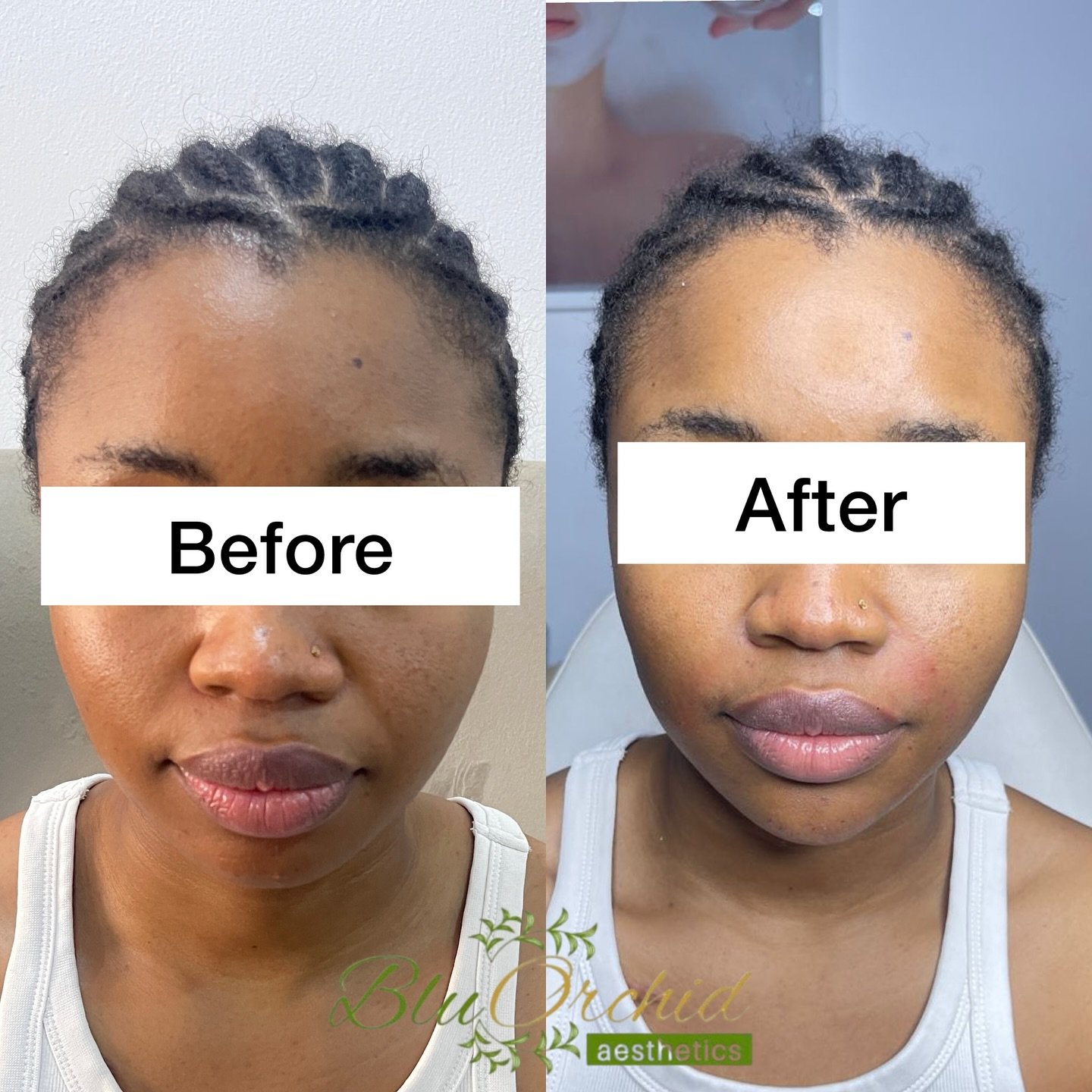
When pigmentation refuses to leave, it is easy to start comparing treatments as though there is one obvious winner.
Cosmelan. Chemical peel. Laser.
Which one works fastest?
Which one works best on dark skin?
Which one will finally stop the pigmentation from coming back?
The answer is more nuanced.
Pigmentation is not one condition, and these treatments do not work in exactly the same way. Melasma, post-acne marks, sun-related pigmentation and deeper pigment can behave very differently.
So the right question is not:
“Which treatment is strongest?”
It is:
“Which treatment is appropriate for the type of pigmentation I have?”
That distinction matters particularly for darker skin, where irritation or excessive injury can sometimes trigger more pigmentation rather than less.
Cosmelan vs chemical peel vs laser at a glance
| Treatment | What it is | Often considered for | Main consideration |
|---|---|---|---|
| Cosmelan | A depigmentation treatment protocol combining an in-clinic treatment with prescribed home care | Persistent pigmentation and melasma-type concerns | Requires commitment to the home-care phase and maintenance |
| Chemical peel | Controlled application of a chemical solution to exfoliate and resurface the skin | Selected superficial pigmentation, acne-related marks and uneven tone | Peel depth and formulation matter, particularly on dark skin |
| Laser | Energy-based treatment targeting selected pigment or skin structures | Certain types of focal or epidermal pigmentation | Device, settings, diagnosis and practitioner experience are critical |
There is no universal ranking.
In some cases, one treatment may be appropriate. In others, a combination or a period of skincare preparation may make more sense.

First: what type of pigmentation are you treating?
Before choosing a treatment, the pigmentation needs to be understood.
Common concerns include:
- Melasma
- Post-inflammatory hyperpigmentation
- Post-acne dark marks
- Sun-related pigmentation
- Pigmentation following irritation or injury
- Focal brown spots
These conditions can look similar to the untrained eye while behaving quite differently.
For example, a dark mark left after acne is not necessarily managed in the same way as melasma.
And treating melasma as though it were simply a collection of surface-level brown spots can lead to disappointment.
That is why assessment comes before treatment.
Cosmelan: when the goal is comprehensive pigment control
Cosmelan is a professional depigmentation treatment protocol designed to address unwanted pigmentation through an in-clinic treatment followed by a structured home-care phase.
It is not simply a peel that happens in a treatment room and ends there.
The home-care component is an important part of the protocol.
That makes Cosmelan particularly different from a conventional chemical peel.
Where Cosmelan may fit
Cosmelan may be considered when the concern involves:
- Persistent facial pigmentation
- Melasma-type pigmentation
- Uneven complexion
- Pigmentation that has been difficult to manage with ordinary skincare
The advantage of a protocol-based approach is that treatment does not stop when you leave the clinic.
You continue managing pigment at home according to the prescribed plan.
The trade-off
Cosmelan requires commitment.
Your skin may go through a period of dryness, peeling, sensitivity or visible change while the protocol is working.
It is therefore not something to choose simply because you want the fastest possible treatment.
The success of any pigmentation programme depends on following the aftercare and protecting the skin from ongoing triggers.
At BluOrchid Aesthetics, Cosmelan is available from ₦913,750.
Chemical peels: controlled resurfacing
Chemical peels use a carefully selected chemical solution to exfoliate the skin and encourage a more even appearance.
They can be useful for certain forms of pigmentation, but “chemical peel” is a broad category.
Not every peel has the same strength, ingredients, depth or purpose.
A superficial peel is very different from a deeper peel.
And on dark skin, that distinction matters.
Chemical peels can help with some types of pigmentation, but they can also cause post-inflammatory pigmentation if the skin is injured or irritated excessively. This is why professional selection, preparation and aftercare are important.
When might a chemical peel make sense?
Depending on the diagnosis and the condition of the skin, a peel may be considered for:
- Superficial pigmentation
- Post-acne marks
- Uneven skin tone
- Certain forms of melasma
- Dull or rough skin alongside pigmentation
The specific peel matters.
At BluOrchid Aesthetics, available options include:
- PRX / Instant Glow, ₦215,000
- Salicylic Peel, ₦86,000
- TCA Peel, ₦150,000
The appropriate option depends on the skin concern rather than simply choosing the strongest peel.
PRX peel at BluOrchid Aesthetics, Lagos
Laser: precision rather than “stronger”
Laser treatment is often marketed as though it is automatically the most advanced answer to pigmentation.
That is too simplistic.
Laser devices deliver specific wavelengths of energy and can be useful for selected pigment concerns.
But whether laser is appropriate depends on the diagnosis, the depth and type of pigment, the patient’s skin type and the device and settings being used.
This becomes particularly important for darker skin.
Darker skin is more susceptible to burns and post-treatment dark marks following laser procedures, which is why treatment should be selected and performed by someone experienced with darker skin.
When might laser be considered?
Laser may have a role in selected cases of:
- Focal pigmentation
- Certain epidermal pigment conditions
- Specific pigment lesions
- Pigmentation that has not responded adequately to other approaches
But laser is not automatically the best treatment for melasma.
In fact, melasma can be particularly difficult because laser and light procedures may sometimes trigger relapse or post-inflammatory pigmentation.
This is why a doctor should not simply see “dark spots” and immediately recommend a laser.
So which is better: Cosmelan or chemical peel?
It depends on what you are treating.
If the concern is persistent, widespread pigmentation and a structured depigmentation protocol is appropriate, Cosmelan may be the more comprehensive approach.
If the concern is more superficial and a controlled resurfacing treatment is appropriate, a chemical peel may make sense.
The two are not simply stronger and weaker versions of the same thing.
They are different treatment approaches.
And sometimes skincare preparation comes before either.
Cosmelan vs laser: which is better?
Again, there is no universal winner.
Cosmelan is a protocol centred around pigment management and ongoing home care.
Laser is a device-based treatment that can target selected pigment concerns with controlled energy.
For certain focal pigment problems, laser may be useful.
For melasma or more diffuse pigmentation, a clinician may be more cautious because procedures that create inflammation can sometimes make the condition harder to control.
The goal should not be to choose the treatment that sounds most technologically advanced.
It should be to choose the treatment that makes sense for your particular pigment problem.
Chemical peel vs laser: which is safer for dark skin?
Neither should automatically be labelled “safe” or “unsafe.”
The treatment, depth, device, settings, preparation, skin condition and practitioner experience all matter.
Chemical peels can cause post-inflammatory pigmentation when the skin is excessively irritated
Prices shown are starting prices. The final figure depends on your assessment: the areas treated, the amount of product required and the plan agreed with your doctor. You are given your own number at consultation, before anything is agreed.
Frequently asked questions
Chemical peel vs laser: which is safer for dark skin?
Neither should automatically be labelled "safe" or "unsafe." The treatment, depth, device, settings, preparation, skin condition and practitioner experience all matter. Chemical peels can cause post-inflammatory pigmentation when the skin is excessively.
When might a chemical peel make sense?
Depending on the diagnosis and the condition of the skin, a peel may be considered for: The specific peel matters. At BluOrchid Aesthetics, available options include: The appropriate option depends on the skin concern rather than simply choosing the strongest peel.
When might laser be considered?
Laser may have a role in selected cases of: But laser is not automatically the best treatment for melasma. In fact, melasma can be particularly difficult because laser and light procedures may sometimes trigger relapse or post-inflammatory pigmentation.
First: what type of pigmentation are you treating?
Before choosing a treatment, the pigmentation needs to be understood. Common concerns include: These conditions can look similar to the untrained eye while behaving quite differently. For example, a dark mark left after acne is not necessarily managed in the same way as melasma.
A consultation at BluOrchid begins with exactly this assessment.
One hour with our doctors. An honest assessment. A plan built around you. ₦50,000, credited in full toward your first treatment.
Book your consultation Doctor-led assessment at Lekki Phase 1, Lagos.