Chemical Peels and Skincare for Pigmentation
Clinic peels can work alongside the right home-care routine for pigmentation. Learn how to combine professional treatment with skincare safely.


Treating pigmentation is rarely about choosing between a clinic treatment and a skincare routine.
For many people, the better question is:
How can professional treatment and home care work together?
A chemical peel can give a targeted treatment approach in the clinic. A carefully structured home routine can support the skin between appointments and help maintain the progress made during professional treatment.
But there is an important distinction between combining treatments and simply using more products.
Adding more acids, serums and exfoliants after a peel does not automatically produce better results.
For pigmentation, particularly on darker skin, the better strategy is usually more considered:
Assess the pigmentation. Treat it appropriately. Support the skin. Protect it. Maintain the result.
Why pigmentation often needs more than one approach
Pigmentation is not one condition.
Dark marks can develop after acne, shaving irritation, insect bites, inflammation or injury. Melasma can be influenced by hormones, sun exposure and heat. Other forms of pigmentation may have entirely different triggers.
That means the treatment needs to match the problem.
A professional peel may be appropriate for one person but unnecessary for another.
Similarly, a home-care routine that works well for post-inflammatory pigmentation may not be the complete answer for persistent melasma.
The first step is therefore not deciding which product to buy.
It is understanding what you are treating.
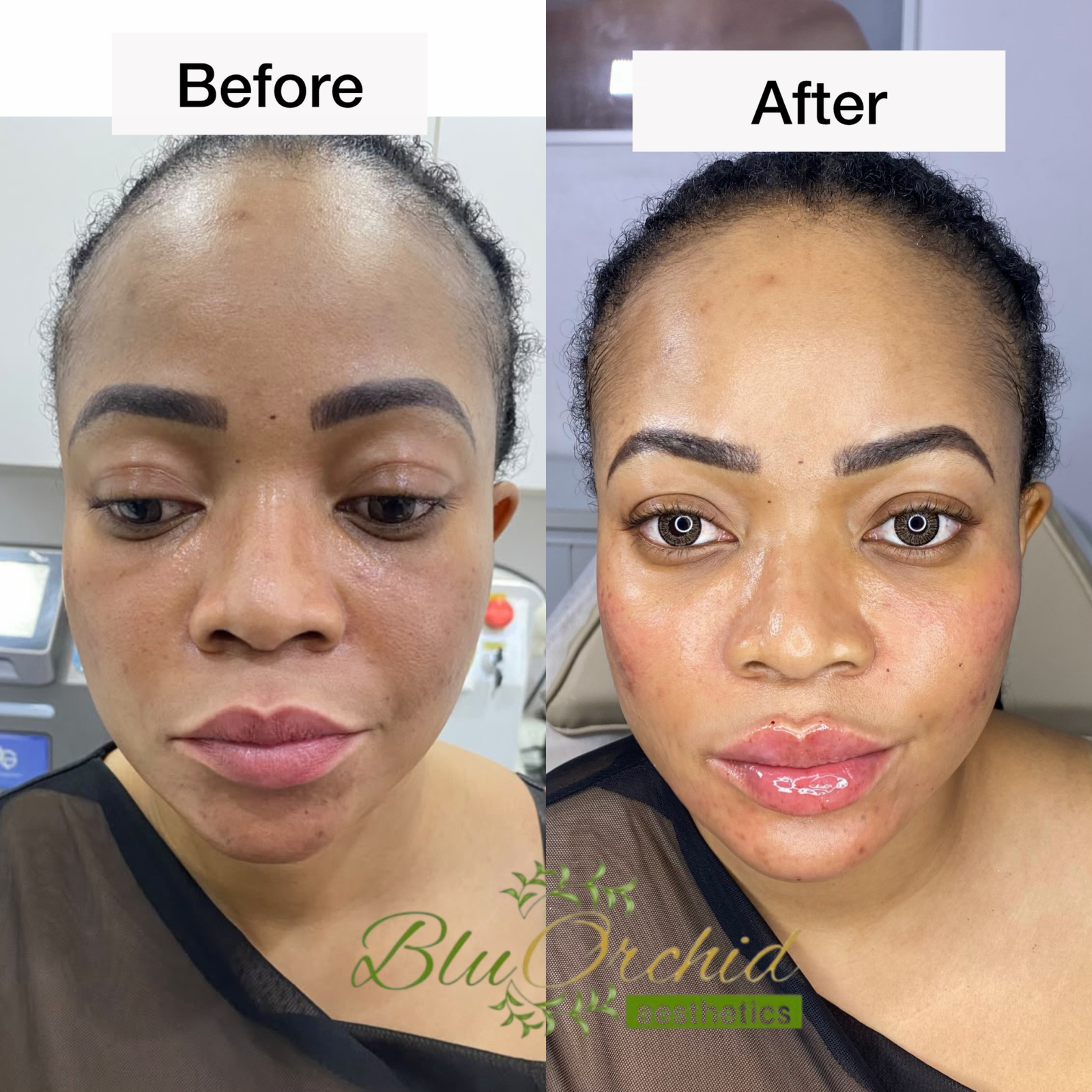
What a chemical peel can do
Chemical peels use carefully selected chemical agents to create a controlled effect on the skin.
The exact result depends on the formulation, concentration, depth and the reason the peel is being performed.
In pigmentation management, a professionally selected peel may be used as part of a plan for concerns such as:
- uneven skin tone
- selected forms of post-inflammatory pigmentation
- post-acne marks
- superficial pigmentation
- dull or uneven-looking skin
But a peel is not simply a stronger version of skincare.
It is a professional treatment that needs to be selected according to the skin and the concern being treated.
This is particularly important for darker skin, where unnecessary irritation can itself contribute to post-inflammatory pigmentation.
Not every peel is the same
When someone says, “I want a chemical peel for pigmentation,” there is another question that needs answering:
Which peel?
Different formulations and depths behave differently.
At BluOrchid, chemical peel options include:
- PRX / Instant Glow, ₦215,000
- Salicylic Peel, ₦86,000
- TCA Peel, ₦150,000
The right option is not determined simply by choosing the strongest treatment.
It depends on the condition being treated, the skin’s current state and the treatment plan recommended after assessment.
So where does home care come in?
This is where many pigmentation routines become unnecessarily complicated.
After investing in a professional treatment, it can be tempting to go home and use every brightening serum, exfoliating acid and treatment cream you can find.
That is not the goal.
Home care should support the treatment plan rather than compete with it.
Think of the two as having different roles.
The clinic treatment
Provides a controlled, professional intervention selected for your specific concern.
Home care
Helps you maintain a consistent routine between treatments, support the skin and address ongoing contributors to pigmentation.
Daily protection
Helps limit one of the most important external factors that can make pigmentation more persistent or noticeable.
The three need to work together.
PRX peel at BluOrchid Aesthetics, Lagos
Why you should not aggressively exfoliate after a peel
This is one of the most important principles when combining peel and skincare.
After a professional peel, your skin may be more sensitive than usual.
That does not mean you should immediately add another exfoliating acid because you want faster results.
It also does not mean that peeling more visibly equals better pigmentation correction.
Using too many active products can increase irritation.
And when irritation becomes part of the picture, pigmentation can become harder to manage.
Your post-treatment routine should therefore follow the instructions provided by your clinician rather than a generic skincare routine found online.
A better way to think about pigmentation treatment
Instead of asking:
“What can I use to make these dark spots disappear faster?”
Ask:
“What is causing the pigmentation, what can we safely treat in the clinic, and what should I do consistently at home?”
That changes the entire approach.
For example, if someone has post-acne marks but is still experiencing frequent inflammatory breakouts, treating the existing marks without addressing the acne may leave them in a cycle of new pigmentation.
If someone has melasma but continues to have significant sun exposure without adequate protection, professional treatment alone may not be enough to maintain improvement.
If someone has pigmentation caused by irritation, adding more active ingredients may make the situation worse.
The home routine has to fit the diagnosis.
Where 8skinpro can fit into a pigmentation plan
A structured home-care system can make the maintenance side of pigmentation management easier.
8skinpro is built around a five-step approach:
Cleanse → Tone → Treat → Support the barrier → Protect
The principle is important.
Pigmentation care is not just about finding one “dark spot serum”.
It involves creating a routine that addresses the skin consistently while reducing the factors that can contribute to ongoing pigmentation.
For someone undergoing professional pigmentation treatment, a structured home-care routine can also make it easier to understand what belongs in the routine and when.
The exact products and timing should still be determined according to the individual’s skin and treatment plan.
Professional treatment does not replace home care
One of the biggest misconceptions about peels is that the clinic treatment should do everything.
But pigmentation is often influenced by what happens between appointments.
Sun exposure.
Inflammation.
Acne.
Irritation.
Hormonal changes.
Friction.
Inconsistent skincare.
These factors do not disappear because you had a peel.
This is why maintenance matters.

What a combined pigmentation plan can look like
A personalised plan might follow a structure such as:
Phase 1: Assessment
Determine what type of pigmentation you are dealing with and identify any active triggers.
Phase 2: Skin preparation
Make sure the skin is in a suitable condition for the planned professional treatment.
This may involve simplifying your routine and establishing appropriate home care before treatment.
Phase 3: Professional treatment
A suitable peel or other pigmentation treatment is performed according to the assessment.
Phase 4: Post-treatment recovery
Follow the clinician’s aftercare instructions and avoid introducing unnecessary active ingredients.
Phase 5: Maintenance
Return to a consistent home-care routine and continue protecting the skin.
Phase 6: Review
Assess how the pigmentation is responding and determine whether additional professional treatment is appropriate.
This is much more deliberate than simply booking repeated peels whenever the skin looks uneven.
What not to combine after a peel
More is not better.
Unless specifically instructed by your clinician, do not assume that you should immediately combine your peel with:
- multiple exfoliating acids
- harsh scrubs
- strong retinoids
- several pigment-targeting serums
- bleaching products
- DIY lemon or acidic treatments
- aggressive cleansing
The correct post-peel routine depends on the treatment performed and the condition of your skin.
Your clinician should tell you when and how to reintroduce active skincare.
Can you use skincare before a chemical peel?
Sometimes, yes.
But preparation depends on the individual and the treatment being planned.
Some products may need to be paused before treatment, while others may be appropriate as part of a preparation routine.
This is one reason why professional assessment matters.
A generic “chemical peel preparation routine” cannot account for your skin’s current condition, previous treatments or the specific peel being considered.
What about dark skin?
This is especially important.
Dark skin can develop post-inflammatory pigmentation when the skin becomes irritated or injured.
That does not mean chemical peels are automatically unsuitable.
It means the treatment needs to be properly selected.
The formulation, depth, preparation, aftercare and practitioner’s experience all matter.
The goal should never be:
“How strong can we go?”
It should be:
“What is the appropriate treatment for this particular pigmentation and skin?”
This is also why aggressive DIY peeling is not a substitute for professional treatment.

The role of sunscreen cannot be skipped
If you are investing time and money into pigmentation treatment, daily sun protection needs to be part of the plan.
A professional treatment cannot compensate for consistently ignoring sun exposure.
Choose a sunscreen you can comfortably use every day and reapply as appropriate for your exposure.
For people in Lagos, texture and comfort matter. If your sunscreen feels too heavy, greasy or uncomfortable, you are less likely to use it consistently.
The best sunscreen for your pigmentation routine is ultimately one you will actually wear properly.
What if pigmentation comes back?
Pigmentation can return.
That does not necessarily mean the original treatment failed.
It may mean that the factors contributing to the pigmentation are still present.
For example:
- melasma may remain influenced by hormonal and environmental triggers
- acne can continue creating new marks
- shaving or friction can continue causing inflammation
- inadequate sun protection can contribute to recurrence
- an irritating skincare routine can keep the skin inflamed
This is why treatment should include a maintenance strategy rather than ending when the skin first looks better.
When should you choose a peel, skincare or both?
There is no universal answer.
Home care may be enough when:
The pigmentation is mild, the cause is understood and the skin is responding well to a consistent routine.
A professional peel may be considered when:
A clinician determines that a controlled professional treatment is appropriate for the pigmentation and skin condition.
A combination may make sense when:
The patient needs a professional intervention but also needs a structured home routine to support the skin and maintain progress between treatments.
The key is that the combination should be designed, not improvised.
The BluOrchid approach
At BluOrchid, pigmentation treatment is not approached as a race to make the skin lighter.
The objective is to understand the pigmentation, select an appropriate treatment pathway and build a routine that the skin can tolerate over time.
That may mean professional treatment.
It may mean home care.
It may mean both.
And sometimes, the correct answer is to simplify the routine before doing anything more aggressive.
The treatment should follow the skin, not the other way around.
Frequently asked questions
Can I use skincare after a chemical peel?
Yes, but the products and timing matter. Follow the aftercare instructions given for your specific peel rather than immediately returning to your full active routine.
Can I combine chemical peels with 8skinpro?
A structured home-care system such as 8skinpro may form part of a broader pigmentation plan, but the timing and suitability of individual products should be determined around the professional treatment and your skin’s condition.
Is it better to have a peel or use skincare?
They serve different purposes. A professional peel provides a controlled treatment in the clinic, while home care supports consistent skin management between treatments. Some patients may benefit from one, while others may benefit from a combination.
Can chemical peels remove dark spots permanently?
There is no guarantee that pigmentation will never return. The underlying cause and ongoing triggers matter. Maintenance and prevention are important parts of pigmentation management.
Can chemical peels make dark skin darker?
Pigmentation can worsen if the skin becomes irritated or inflamed. This is why peel selection, treatment depth, preparation and aftercare matter particularly when treating darker skin.
Should I exfoliate after a chemical peel?
Do not automatically add exfoliating products after treatment. Your clinician should advise you when it is appropriate to resume or introduce active skincare.
How many chemical peels do I need for pigmentation?
There is no single number that applies to everyone. The appropriate treatment schedule depends on the pigmentation, skin condition and response to treatment.
Can I use a brightening serum after a peel?
Possibly, but timing matters. Some products may be appropriate at a particular stage of recovery while others may be too irritating immediately after treatment. Follow your clinician’s instructions.
Why does my pigmentation keep returning even after treatment?
Persistent triggers such as sun exposure, hormones, acne, inflammation, friction or irritation can contribute to recurrence. If pigmentation repeatedly returns, the underlying cause and maintenance plan should be reassessed.
What happens at a pigmentation consultation?
The clinician assesses your pigmentation, skin condition and likely contributing factors before recommending an appropriate treatment pathway. This avoids choosing a treatment simply because it is popular or perceived as stronger.
The best pigmentation treatment is not necessarily the strongest one
A peel can be valuable.
So can a well-designed home-care routine.
But the real advantage comes from understanding how they fit together.
Professional treatment addresses what can be safely treated in the clinic.
Home care supports the skin between treatments.
Daily protection helps protect the progress.
And ongoing assessment helps determine what needs to change.
That is a pigmentation strategy, rather than a collection of products.
Ready to build a pigmentation plan around your skin?
Book a Consultation with BluOrchid Aesthetics.
A BluOrchid consultation is ₦50,000, credited toward your selected treatment if you proceed.
Prices shown are starting prices. The final figure depends on your assessment: the areas treated, the amount of product required and the plan agreed with your doctor. You are given your own number at consultation, before anything is agreed.
A consultation at BluOrchid begins with exactly this assessment.
One hour with our doctors. An honest assessment. A plan built around you. ₦50,000, credited in full toward your first treatment.
Book your consultation Doctor-led assessment at Lekki Phase 1, Lagos.