Adult Acne in Women Over 30: Causes & Treatment
Why does acne happen after 30? Learn the common causes of adult acne in women, treatment options and when persistent breakouts need medical review.

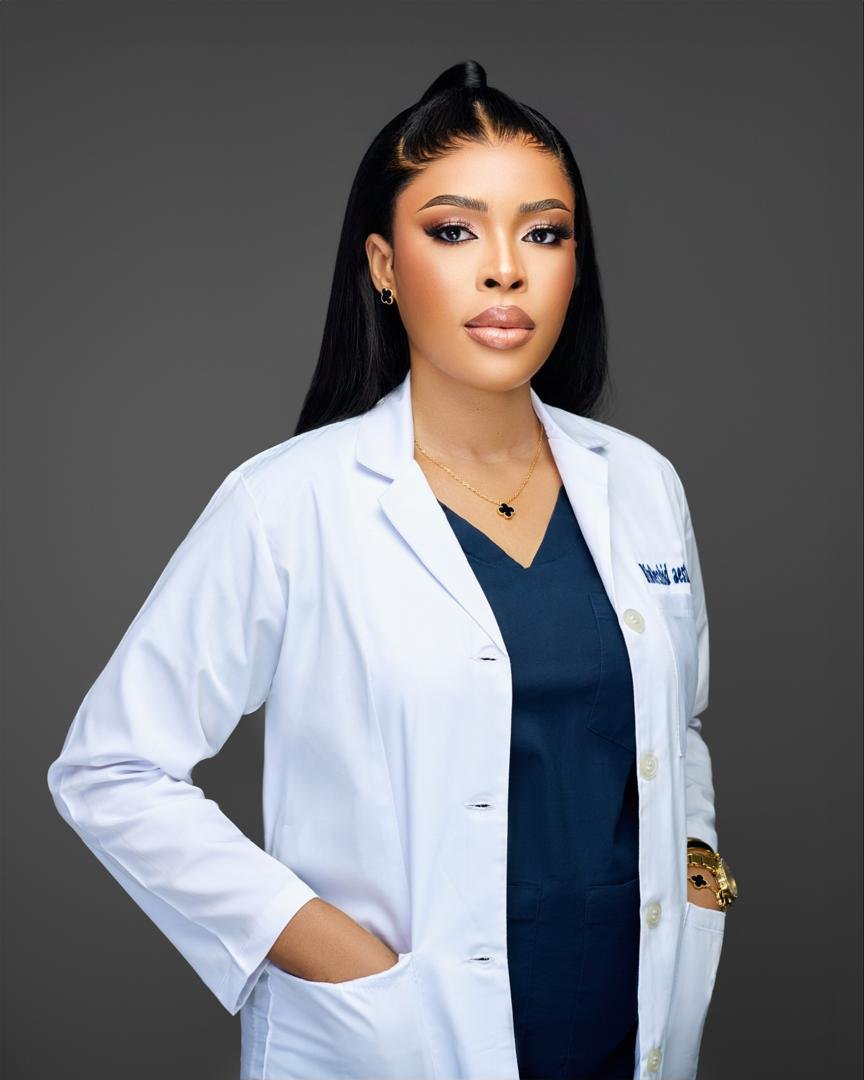
You thought acne was something you would leave behind in your twenties.
Then, sometime in your thirties, the spots started appearing again.
Perhaps it is one or two painful breakouts around your chin before your period. Perhaps you have persistent bumps along your jawline. Or perhaps your skin has changed completely: more sensitive, more prone to pigmentation and suddenly much less tolerant of the products you used to use.
Adult acne in women is common, but that does not mean you have to simply accept it.
The important thing is understanding why the acne is happening now.
Because treating adult acne is not always about finding a stronger cleanser or adding more exfoliation.
Sometimes the answer is hormonal. Sometimes it is your skincare routine. Sometimes medication, stress or another underlying factor is contributing.
And sometimes what looks like acne is actually another skin condition.
Why Am I Getting Acne After 30?
Acne can continue from adolescence into adulthood, or it can appear for the first time in your thirties.
Several factors can contribute.
Hormonal changes
Hormonal fluctuations can influence sebum production and how easily pores become blocked.
This is one reason some women notice that their acne follows a pattern around their menstrual cycle.
Genetics
If acne runs in your family, you may be more predisposed to developing it, including later in life.
Skincare and cosmetics
Heavy or pore-blocking products may contribute to breakouts in some people.
That does not mean every oil, moisturiser or makeup product causes acne. Skin is individual, and a product that works beautifully for one person may not suit another.
Medication
Some medicines can contribute to acneiform eruptions.
If your breakouts began after starting a medication, do not stop the medication yourself. Discuss the change with the clinician who prescribed it.
Stress and lifestyle
Stress does not explain every case of acne, but it can influence skin health and may aggravate existing acne in some people.
Hormonal conditions
Persistent adult acne can sometimes occur alongside hormonal conditions such as polycystic ovary syndrome (PCOS), particularly when other symptoms are present.
That is one reason recurrent adult acne should not always be treated as purely a cosmetic problem.
What Does Hormonal Acne Look Like?
There is no single appearance that proves an acne outbreak is hormonal.
However, many women notice a recurring pattern.
Breakouts may:
- Appear around the chin and jawline
- Flare before menstruation
- Consist of deeper, tender spots
- Return repeatedly in the same areas
- Continue despite changing skincare products
If you repeatedly experience this pattern, it is worth discussing with a clinician rather than simply adding more acne products.
The location alone cannot diagnose the cause.
Acne Around the Jawline After 30
Jawline acne is often described as “hormonal acne”.
But the two terms are not interchangeable.
Acne around the jawline can have different causes, and the location by itself does not establish that hormones are responsible.
A clinician may consider:
- Your menstrual pattern
- How long you have had the acne
- Whether the breakouts are deep or superficial
- Current medications
- Skincare and cosmetics
- Other hormonal symptoms
- Previous treatments and how your skin responded
This broader picture is more useful than diagnosing yourself from the location of a spot.
Can Hormones Cause Acne in Your 30s?
Yes.
And hormonal changes do not stop simply because adolescence has ended.
Women can experience hormonal fluctuations throughout adulthood, including around menstruation, pregnancy, postpartum changes and perimenopause.
Some women also have underlying hormonal disorders that can contribute to acne.
If adult acne is accompanied by symptoms such as irregular periods, increased facial or body hair, scalp hair thinning or other unexpected hormonal changes, it is worth discussing the combination with a doctor.
The acne may be telling you that something else deserves attention.
Adult Acne and Pigmentation
For women with darker skin, there is another consideration:
the acne may not be the only problem.
Inflammation can leave behind post-inflammatory hyperpigmentation.
You may therefore find yourself dealing with two concerns:
active acne + the marks left behind by previous acne.
And repeatedly irritating the skin in an attempt to clear the acne can potentially make pigmentation more difficult to manage.
This is why aggressive scrubbing, picking and constantly changing products can be counterproductive.
The goal is not simply to make today’s spots disappear.
It is to control the acne while protecting the skin from unnecessary inflammation.
What Is the Best Treatment for Adult Acne?
There is no single best acne treatment for every woman over 30.
Treatment depends on factors including:
- The type of acne
- Severity
- How long you have had it
- Whether pigmentation or scarring is present
- Your skin sensitivity
- Previous treatments
- Pregnancy or breastfeeding status
- Other medical conditions
- Current medications
Depending on the situation, treatment may involve topical medication, oral medication, professional skin treatments or a combination.
Topical Treatments
Topical acne treatments are applied directly to the skin.
Depending on the type of acne and the individual’s circumstances, a clinician may consider ingredients or medications such as:
- Benzoyl peroxide
- Salicylic acid
- Topical retinoids
- Azelaic acid
- Other prescription treatments
The right choice depends on your skin and the type of acne being treated.
More active ingredients do not necessarily mean better results.
In adult skin, excessive irritation can become its own problem.
What About Retinol and Retinoids?
Retinoids can be useful in acne management because they affect processes involved in clogged pores and acne formation.
But “retinol” in a cosmetic product and a prescription retinoid are not the same thing.
And retinoid use requires particular care in pregnancy.
If you are pregnant, trying to conceive or breastfeeding, tell your doctor before starting acne treatment rather than assuming that an over-the-counter product is automatically appropriate.
Can Facials Treat Adult Acne?
Professional facials can have a role in skin care, but a facial should not automatically be presented as a treatment for every form of acne.
Depending on the skin and the treatment being performed, professional skin treatments may help with cleansing, congestion or overall skin maintenance.
But persistent inflammatory or cystic acne may require medical treatment rather than repeated facials.
If you are repeatedly booking treatments without getting control of the underlying acne, it may be time for a clinical assessment.
What About Chemical Peels?
Certain chemical peels can be used as part of acne or acne-prone skin management.
The choice of peel, concentration, frequency and suitability depends on the patient’s skin and the concern being treated.
This is especially important for darker skin tones.
A treatment that causes unnecessary inflammation can potentially leave you with more pigmentation after the acne settles.
Professional treatment should therefore be selected with both acne control and pigmentation risk in mind.
Consultation at BluOrchid Aesthetics, Lagos
Can Acne Scars Be Treated While You Still Have Acne?
It depends on the type and severity of the acne.
If you have active inflammatory acne, the priority is generally to get the acne under control before aggressively treating residual scarring.
Otherwise, new breakouts can continue creating new marks and scars while you are treating the old ones.
Acne scars also vary.
There is a difference between:
- Post-inflammatory hyperpigmentation
- Red or persistent marks
- Depressed acne scars
- Raised scars
They should not all be treated in the same way.
Should You Pop Adult Acne?
Ideally, no.
Picking or squeezing an inflamed spot can increase irritation and may increase the likelihood of prolonged marks or scarring.
It can also turn a relatively small inflammatory lesion into a more significant wound.
If a spot is painful, persistent or repeatedly appearing in the same location, professional assessment is preferable to repeatedly manipulating it yourself.
Why Your Old Acne Routine May Stop Working
One of the most frustrating things about adult acne is that a skincare routine that worked in your twenties may suddenly stop working.
Your skin may have changed.
Your hormonal environment may have changed.
Your medications may have changed.
Your priorities may have changed too.
At 22, you may have been primarily concerned about oily skin and breakouts.
At 32, you may be dealing with acne and pigmentation and sensitivity and early signs of skin ageing.
That requires a more thoughtful approach.
Trying to dry out the skin until it stops producing oil is rarely the sophisticated solution.
What Should You Stop Doing?
If you are struggling with persistent adult acne, consider whether you are:
- Scrubbing your skin aggressively
- Picking spots
- Constantly switching products
- Using several exfoliating acids at once
- Layering too many active ingredients
- Using harsh alcohol-heavy products
- Treating every bump as acne
- Buying products because they are marketed as “anti-acne” without checking their suitability
More intervention is not always better intervention.
Sometimes the skin needs less chaos and more consistency.
Adult Acne and Pregnancy
If you are pregnant, trying to conceive or breastfeeding, acne treatment needs additional consideration.
Some acne medications are not appropriate during pregnancy.
Do not assume that a treatment is safe simply because it is topical or available without a prescription.
Tell your clinician about pregnancy, plans to become pregnant and breastfeeding status before starting or changing acne treatment.
When Should You See a Doctor About Adult Acne?
Consider professional assessment if:
- Your acne is persistent or worsening
- You develop painful or deep lesions
- You are developing scars
- You have significant pigmentation after breakouts
- Your acne suddenly appears in your thirties
- Your periods have become irregular
- You have increased facial or body hair
- You are experiencing scalp hair thinning
- Your acne began after starting a medication
- Over-the-counter products have not helped
- The condition is affecting your confidence or quality of life
The last point matters.
Acne is not medically trivial simply because it is visible on the skin.
Adult Acne vs Other Conditions
Not every bump is acne.
Some conditions can resemble acne, including:
- Folliculitis
- Rosacea
- Perioral dermatitis
- Irritant or allergic reactions
- Certain medication-related eruptions
If a rash is unusual, persistent or does not respond as expected to acne treatment, reassessment is important.
Treating the wrong condition can make the skin worse.
A Better Approach to Acne After 30
Instead of asking:
“What is the strongest acne product I can buy?”
Ask:
“Why am I breaking out?”
Then consider the bigger picture.
Step 1: Identify the pattern
Where does the acne appear?
When does it flare?
How long has it been happening?
Step 2: Review your routine
Look at your cleansers, moisturisers, sunscreen, makeup and active ingredients.
Step 3: Consider hormonal and medical factors
Menstrual changes, medications and other symptoms can provide useful clues.
Step 4: Treat the active acne
Choose an evidence-based treatment appropriate to your skin and circumstances.
Step 5: Protect against pigmentation and scarring
Especially if your skin tends to develop dark marks after inflammation.
Step 6: Treat residual marks or scars
Once active acne is appropriately controlled, remaining pigmentation or scarring can be assessed separately.
The Bottom Line
Adult acne in women over 30 is not simply a teenage problem that refused to leave.
It can have different contributing factors, and the skin often has different priorities at this stage of life.
The right approach is not necessarily the most aggressive one.
It is the one that identifies why you are breaking out, controls the acne, protects against pigmentation and scarring, and takes your wider health and circumstances into account.
If your acne keeps returning despite trying different products, that may be a reason to stop experimenting and have your skin properly assessed.
Frequently asked questions
Why am I suddenly getting acne at 30?
Adult acne can be associated with hormonal changes, genetics, skincare products, medications and other factors. New or persistent acne in your thirties deserves assessment if the cause is unclear.
Is adult acne always hormonal?
No. Hormones can contribute, but adult acne has multiple possible causes. The pattern and other symptoms can help a clinician determine what needs to be investigated.
Why do I get acne around my jawline?
Jawline acne can occur with hormonal fluctuations, but location alone cannot establish that acne is hormonal.
Can stress cause adult acne?
Stress may aggravate existing acne in some people, but it is not the only possible cause. Persistent acne should not automatically be blamed on stress.
Does acne get worse before your period?
Some women notice predictable flares around menstruation. A recurring cycle can be useful information to share with your clinician.
Can adult acne cause dark spots?
Yes. Inflammation from acne can be followed by post-inflammatory hyperpigmentation, particularly in darker skin tones.
Should I exfoliate if I have adult acne?
Exfoliation can be useful in some skincare routines, but excessive exfoliation can irritate acne-prone skin. The appropriate approach depends on your skin and the products or medications you are already using.
Can chemical peels help adult acne?
Certain chemical peels may be incorporated into acne management for selected patients. The appropriate peel and treatment schedule depend on the skin and clinical concern.
Can I use retinol for adult acne?
Retinoids can be useful for acne, but different retinoid products have different strengths and considerations. Discuss their use with a clinician if you are pregnant, trying to conceive or breastfeeding.
What if my acne is leaving scars?
The first priority is usually controlling active acne so that new lesions do not continue creating new scars. Existing scars can then be assessed separately.
When should adult acne be investigated for PCOS?
If acne occurs alongside symptoms such as irregular periods, increased facial or body hair or scalp hair thinning, discuss the combination with a doctor. These symptoms can warrant assessment for an underlying hormonal condition.
Is adult acne harder to treat than teenage acne?
Not necessarily, but treatment can be more complicated because adult women may simultaneously be managing pigmentation, sensitivity, hormonal changes, pregnancy considerations and early signs of skin ageing.
Adult Acne Treatment in Lagos
If persistent acne is affecting your skin or confidence, the first step should be understanding what is actually causing the breakouts.
At BluOrchid Aesthetics, a consultation can help assess your skin concerns and determine whether you need a skincare approach, professional treatment or medical evaluation.
Book a Consultation to discuss your skin.
Related BluOrchid pages:
- Acne Treatment in Lagos: acne treatment lagos
- Acne Scar Treatment: acne scar treatment lagos
- Chemical Peels: chemical peels lagos
- Consultation: consultation
A consultation at BluOrchid begins with exactly this assessment.
One hour with our doctors. An honest assessment. A plan built around you. ₦50,000, credited in full toward your first treatment.
Book your consultation Doctor-led assessment at Lekki Phase 1, Lagos.