Under-Eye Dark Circles: Which Treatment Is Right for Your Cause?
Under-eye dark circles have several causes. Which treatment suits pigmentation, which suits hollowing, and why the cause decides.

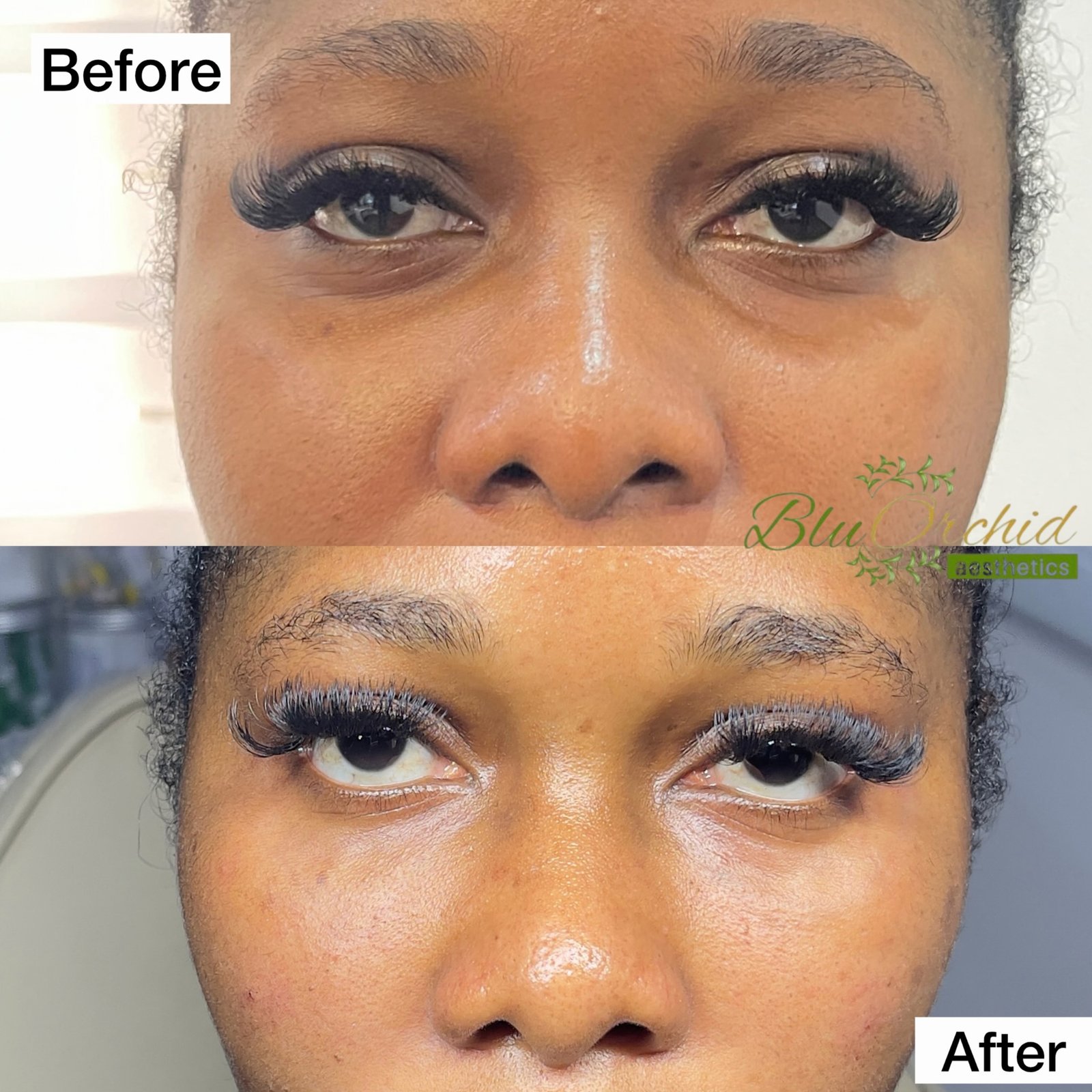
Dark circles can make you look tired even when you are not.
But there is an important problem with treating “dark circles” as though they are one condition.
They are not.
The darkness under your eyes may be caused by pigmentation, visible vascularity, shadows from hollowness, changes in the surrounding tissues, thin skin, or a combination of several factors. Medical reviews commonly classify under-eye darkness into pigmentary, vascular and structural categories, with mixed causes also being common.
That means the treatment that makes sense for one person may do very little for another.
If your main concern is under-eye darkness, the first question should therefore be:
“What is making my under-eyes look dark?”
Once the cause is understood, the treatment conversation becomes much clearer.
What Causes Dark Circles Under the Eyes?
There are several possible contributors.
1. Pigmentation
The skin around the eyes can develop increased pigmentation, making the area appear brown or darker than the surrounding skin.
Pigmentary dark circles can be influenced by factors including genetics, inflammation, irritation and sun exposure.
If pigmentation is the main problem, simply adding volume underneath the eyes will not necessarily address it.
2. Vascularity
Sometimes the darkness has a vascular component.
The appearance may be influenced by blood vessels showing through the relatively thin skin around the eyes.
In these cases, the concern is not simply excess pigment.
That means a pigmentation-focused treatment may not be enough.
3. Hollowing and Shadowing
Another common cause is structural.
A hollow or depression beneath the eye can create a shadow that makes the area appear darker.
This is sometimes referred to as a tear trough.
In this situation, the skin may not actually be significantly darker.
The darkness can be created or exaggerated by the shadow produced by the facial structure.
This is one reason people sometimes believe they have pigmentation when the primary issue is actually shadowing.
4. Thin or Translucent Skin
The skin around the eyes is delicate, and its characteristics can make underlying structures more visible.
This can contribute to the appearance of darkness, particularly when combined with other factors.
5. Under-Eye Bags or Tissue Changes
Changes in the tissues around the lower eyelid can also affect the way light falls across the area.
The result can be a combination of puffiness, shadowing and darkness.
This is another situation where treating “dark circles” without identifying the cause can lead to the wrong treatment.
6. Mixed Causes
This is extremely important.
You may have more than one cause at the same time.
For example, someone may have:
- Some pigmentation.
- Some under-eye hollowing.
- Thin skin.
- A degree of vascular visibility.
In that situation, treating only one factor may produce an incomplete improvement.
Under-eye concerns are often multifactorial, which is why individual assessment matters.
Which Treatment Is Right for Which Cause?
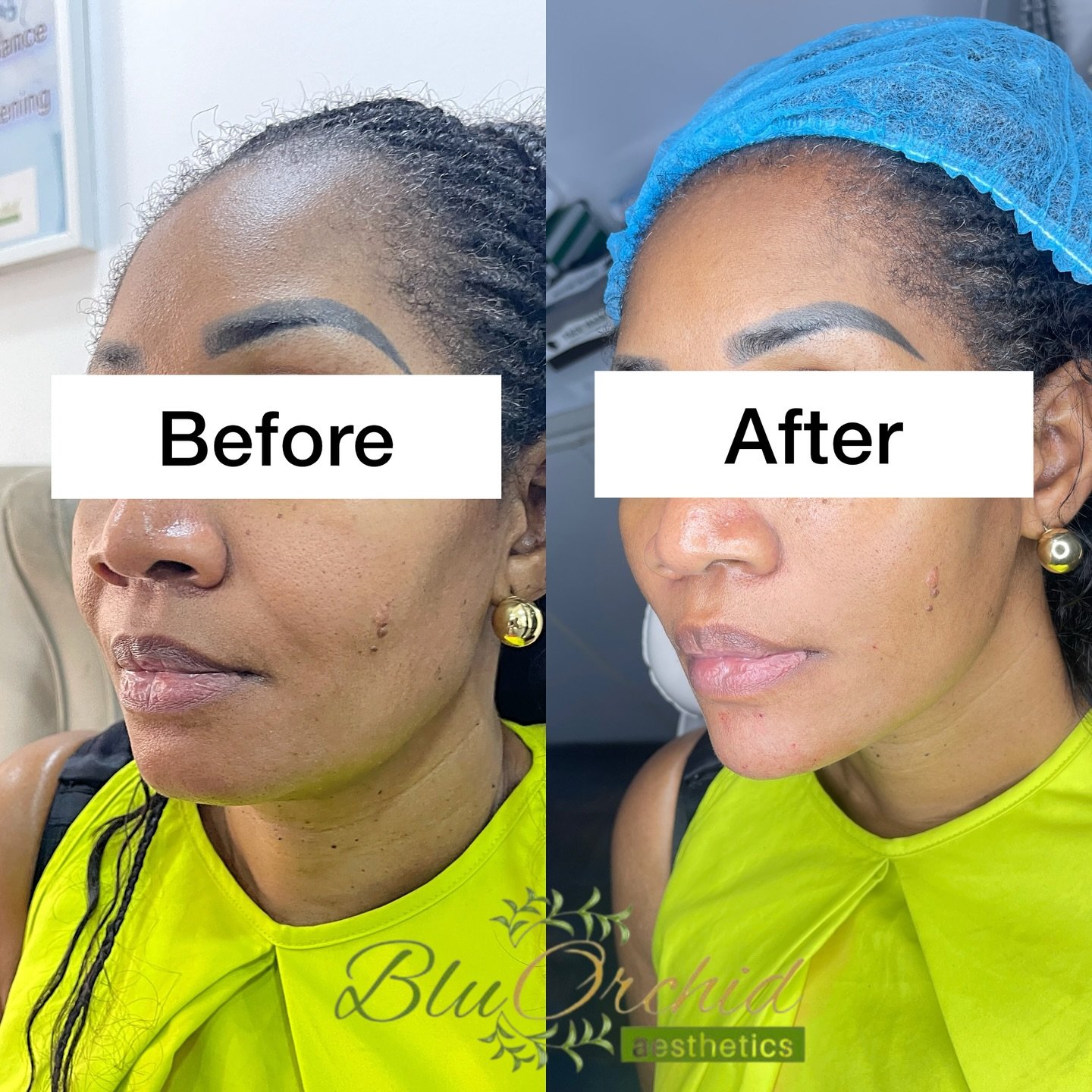
The treatment should follow the cause.
That sounds obvious, but it is one of the most important principles in treating dark circles.
If Pigmentation Is the Main Cause
If the primary concern is excess pigmentation, the treatment approach should focus on the pigmentation rather than simply adding volume.
Depending on the cause and assessment, options may include appropriate topical treatments, chemical peels or selected energy-based treatments.
Not every pigmentation treatment is appropriate for the delicate under-eye area, and the risk of irritation or worsening pigmentation needs to be considered.
This is particularly important when treating skin of colour.
The objective should not simply be to make the area lighter.
It should be to improve the appearance safely and appropriately.
If Hollowing and Shadowing Are the Main Cause
If the darkness is primarily caused by a tear trough or structural hollow, the conversation becomes different.
In selected patients, dermal filler may be considered to address volume loss and reduce the appearance of the hollow.
Systematic reviews have identified soft-tissue fillers and fat grafting as approaches used for dark circles associated with volume loss.
But this does not mean everyone with dark circles should have under-eye filler.
The under-eye area requires careful assessment.
If the darkness is primarily pigmentation, filler may not solve the problem.
If there is significant puffiness or another structural concern, filler may also not be the appropriate answer.
This is why tear-trough treatment should be based on suitability rather than simply the presence of dark circles.
If Vascularity Is the Main Cause
When vascularity contributes to the appearance, treatment may be directed toward that component rather than treating the area as pigmentation.
Certain laser and light-based approaches have been studied for vascular components, although treatment selection depends on the specific presentation.
This is another reason an assessment matters.
The word “dark” does not tell you whether the underlying appearance is brown, blue, purple, shadowed or a combination.
Brand at BluOrchid Aesthetics, Lagos
If Thin Skin Is Contributing
If the skin is particularly thin and the underlying structures are more visible, treatment needs to be approached differently.
Improving overall skin quality may form part of the discussion depending on the individual case.
But expectations need to be realistic.
There may be several contributing factors, and no single treatment necessarily eliminates every visible feature around the eyes.
If Under-Eye Bags and Laxity Are the Main Concern
If the main issue is excess skin, significant laxity or prominent under-eye bags, injectable treatments may not be the most appropriate solution.
Surgical approaches may be considered in selected cases where structural changes are the main concern. Reviews of periorbital concerns note that surgery can be appropriate when excess skin or herniated fat is a significant contributor.
That does not mean everyone with under-eye bags needs surgery.
It means the treatment should match the structural problem.
What If Your Dark Circles Are Brown?
Brown or darker-looking under-eyes can suggest a pigmentary component, although appearance alone is not enough to establish the cause.
If pigmentation is contributing, a treatment plan may involve skin-focused approaches rather than filler.
This is also an area where irritation matters.
Aggressive treatment around the eyes can create inflammation, and inflammation can make pigmentation concerns more difficult to manage.
A proper assessment should therefore come before choosing a peel, laser or other treatment.
What If Your Dark Circles Look Blue or Purple?
A blue or purple appearance may suggest a vascular component or visibility of underlying structures through thin skin.
But colour alone should not be used to diagnose the cause.
Several factors can overlap.
The important thing is to determine whether the appearance is primarily vascular, structural, pigmentary or mixed.
What If Your Dark Circles Disappear When You Change the Lighting?
This can be a useful clue.
If the darkness changes significantly depending on the direction of the light, shadowing may be contributing to what you are seeing.
A tear trough or another facial contour can create a shadow that makes the under-eye area look darker.
In that situation, treating pigmentation alone may not address the main concern.
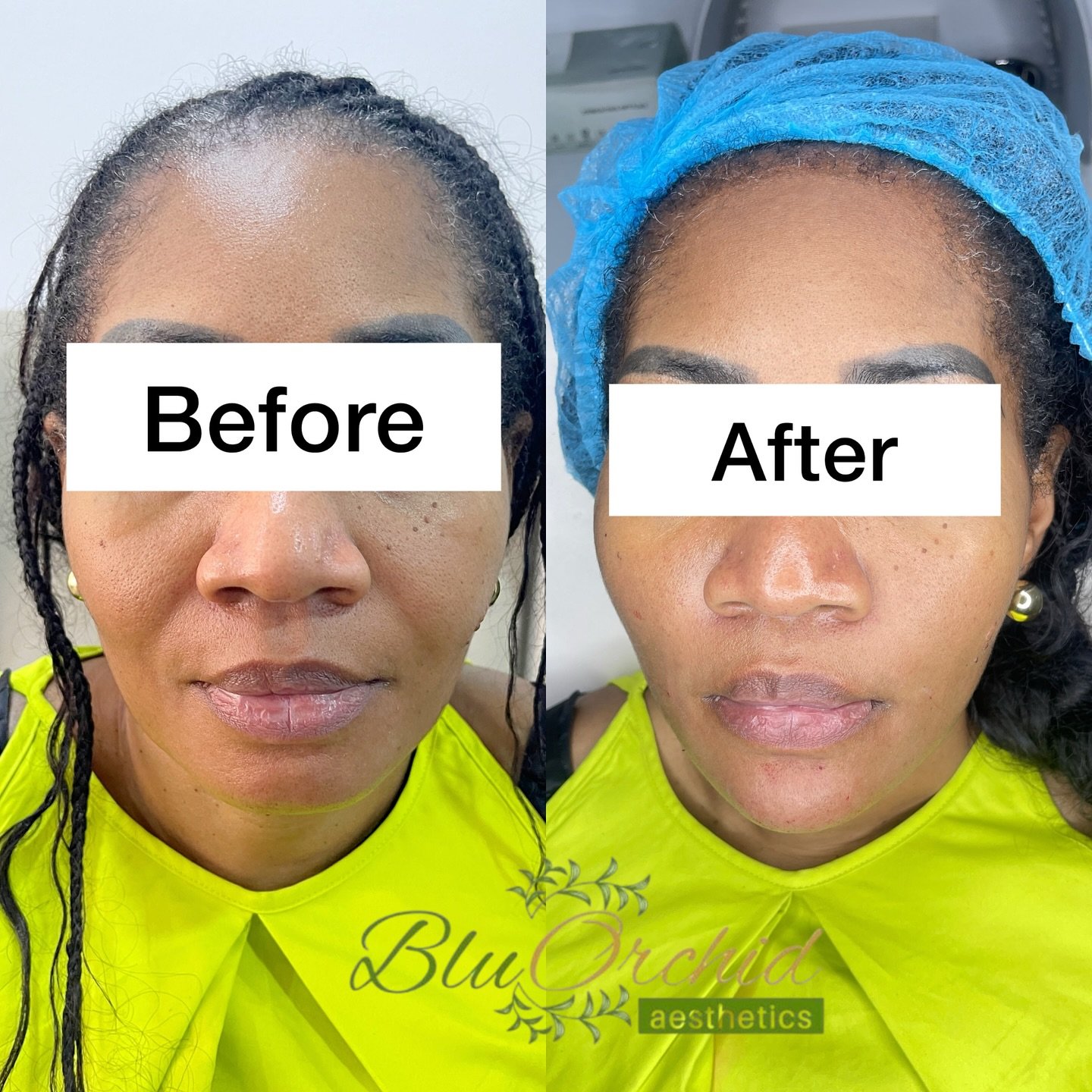
What If You Have Both Pigmentation and Hollowing?
This is where treatment becomes more individualised.
You may have a structural hollow creating a shadow while also having genuine pigmentation.
Treating only the hollow may improve the shadow without completely changing the colour.
Treating only pigmentation may improve the colour without changing the shadow.
A combination approach may sometimes be considered, but it should be based on the actual causes identified during assessment.
The goal is not to treat everything.
It is to treat what is actually contributing to the appearance.
Should Everyone With Dark Circles Have Tear-Trough Filler?
No.
This is one of the most important points to understand.
Dark circles do not automatically mean you need under-eye filler.
Filler may be appropriate when volume loss or a structural hollow is a meaningful part of the concern.
But if the primary issue is pigmentation, vascularity or another cause, filler may not address the underlying problem.
The 2026 systematic review of under-eye treatments also emphasises anatomy-driven patient selection rather than treating all under-eye concerns in the same way.
Sometimes the best recommendation is not to inject the tear trough.
What About Eye Creams and Skincare?
Skincare can have a role, particularly when pigmentation or skin-quality concerns are involved.
Recent reviews have found evidence for various topical approaches to periorbital dyschromia, although results depend on the underlying cause and the specific treatment.
But skincare cannot be expected to correct every structural cause of dark circles.
A cream may help with a skin concern.
It cannot necessarily remove a shadow caused by facial anatomy.
That is why diagnosis comes first.
What About Lack of Sleep?
Poor sleep can make the under-eye area look more tired, but it is important not to assume that sleep is the entire explanation for persistent dark circles.
If the appearance remains even when you are well rested, there may be structural, pigmentary, vascular or other contributing factors.
Dark circles are often more complicated than simply being “tired.”
Why Dark Circles Can Be Particularly Challenging on Darker Skin
Periorbital pigmentation can occur across skin types, and pigmentary concerns can be particularly important when treating skin of colour.
The treatment needs to account for the possibility of pigmentation as well as the risk of irritation and post-inflammatory changes.
This is another reason why choosing a treatment based solely on what worked for someone else can be a mistake.
Your skin type and the cause of the darkness both matter.

What About the Cost of Dark Circle Treatment in Lagos?
There is no single meaningful price for “dark circle treatment” because the appropriate treatment depends on the cause.
The cost can differ significantly between:
- A skincare-based treatment plan.
- A pigmentation-focused procedure.
- An energy-based treatment.
- A skin-quality injectable.
- Tear-trough filler.
- A more involved structural procedure.
Before comparing prices, find out what is actually being treated.
A cheaper treatment that does not address the cause is not necessarily better value.
Questions to Ask Before Treating Your Dark Circles
Before booking any treatment, ask:
- What is actually causing my dark circles?
- Is the darkness pigment, vascular, structural or mixed?
- Do I have a tear trough or another source of shadowing?
- Would filler actually improve my concern?
- Would a skin or pigmentation treatment make more sense?
- Is my under-eye skin suitable for the treatment being recommended?
- What would you recommend if I chose not to have filler?
- Do I need to treat one cause or several?
- What level of improvement is realistic?
- What are the risks of treating this particular area?
A good consultation should leave you understanding why a treatment has been recommended, not simply what treatment you are being sold.
The Biggest Mistake: Treating the Appearance Instead of the Cause
Dark circles are one of the clearest examples of why aesthetic treatment should be assessment-led.
Two people can both say:
“I have dark circles.”
But one may have primarily pigmentation.
Another may have a tear trough creating a shadow.
Another may have vascular visibility.
Another may have a combination of several factors.
They should not necessarily receive the same treatment.
The best treatment is the one that addresses the reason the under-eye area looks the way it does.
Under-Eye Dark Circles: Which Treatment Do You Need?
If pigmentation is the main concern, a pigmentation-focused approach may be appropriate.
If vascularity is contributing, the treatment may need to address that component.
If hollowing and shadowing are the main concern, carefully selected patients may be considered for treatments such as tear-trough filler.
If skin quality is contributing, a skin-focused treatment may be discussed.
If significant bags, laxity or structural changes are present, a surgical assessment may sometimes be more appropriate.
And if several factors are involved, treatment may need to address more than one component.
There is no single “best treatment for dark circles.”
There is only the treatment that makes the most sense for the cause of your dark circles.
Considering Under-Eye Treatment in Lagos?
At BluOrchid Aesthetics, the goal is not to treat every dark circle with the same procedure.
A consultation with Dr Gladys Emokpaire-Oni (Dr Gigi) can help assess whether your under-eye concern is primarily related to pigmentation, structure, skin quality or another contributing factor, and whether treatment is appropriate.
If you are considering treatment for dark circles in Lagos, start with the cause, not the procedure.
Book a consultation to understand what is actually creating the appearance of your under-eyes and which treatment, if any, makes sense for you.
Frequently asked questions
What About the Cost of Dark Circle Treatment in Lagos?
There is no single meaningful price for “dark circle treatment” because the appropriate treatment depends on the cause. The cost can differ significantly between: Before comparing prices, find out what is actually being treated.
What If Your Dark Circles Disappear When You Change the Lighting?
This can be a useful clue. If the darkness changes significantly depending on the direction of the light, shadowing may be contributing to what you are seeing. A tear trough or another facial contour can create a shadow that makes the under-eye area look darker.
Under-Eye Dark Circles: Which Treatment Do You Need?
If pigmentation is the main concern, a pigmentation-focused approach may be appropriate. If vascularity is contributing, the treatment may need to address that component. If hollowing and shadowing are the main concern, carefully selected patients may be considered for treatments such as tear-trough filler.
What If Your Dark Circles Are Brown?
Brown or darker-looking under-eyes can suggest a pigmentary component, although appearance alone is not enough to establish the cause. If pigmentation is contributing, a treatment plan may involve skin-focused approaches rather than filler.
A consultation at BluOrchid begins with exactly this assessment.
One hour with our doctors. An honest assessment. A plan built around you. ₦50,000, credited in full toward your first treatment.
Book your consultation Doctor-led assessment at Lekki Phase 1, Lagos.