How Many Units of Botox Do You Actually Need?
How many units of Botox do you need? Why there is no universal dose, what determines your number, and whether more product means a better result.

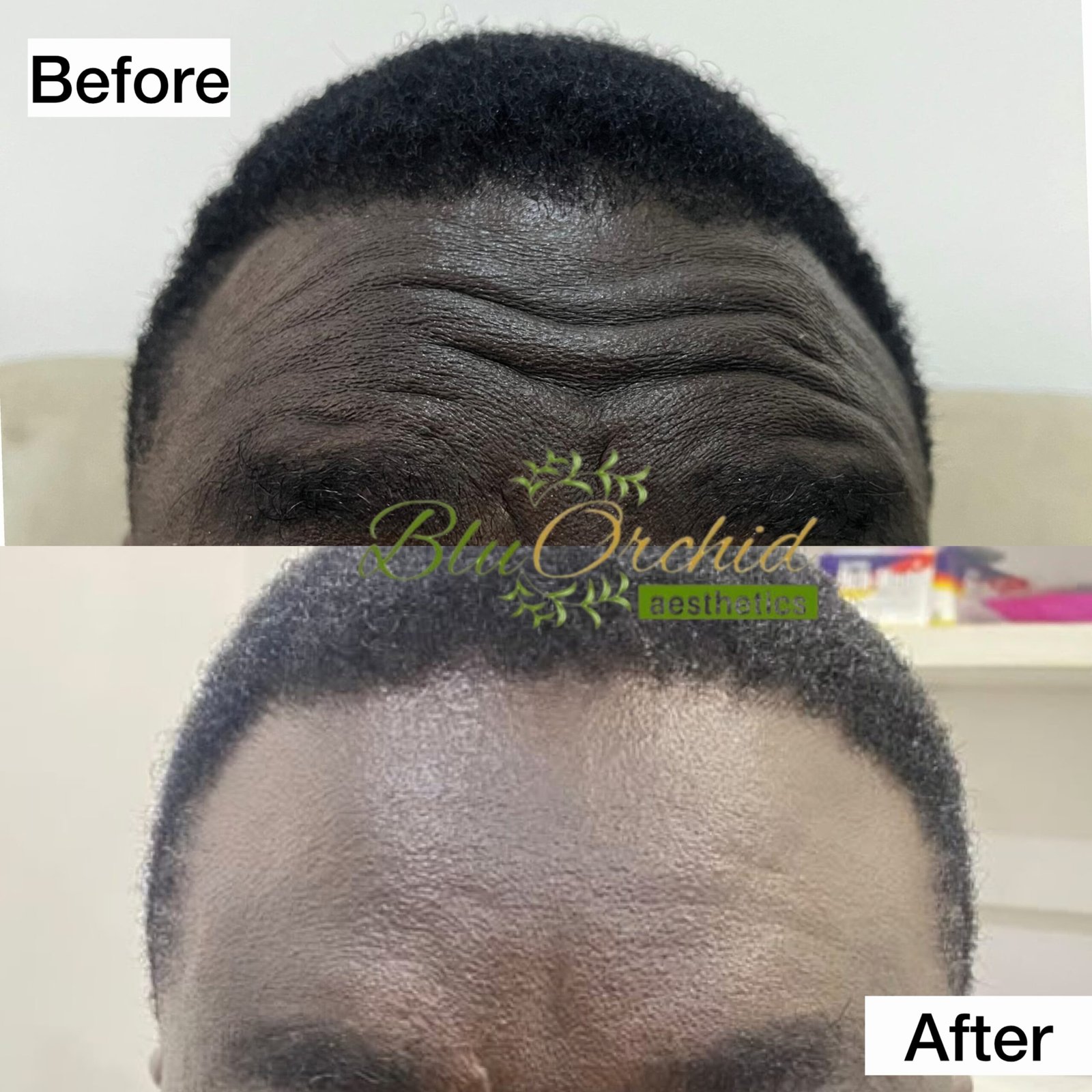
If you are considering Botox, one of the first questions you may have is: How many units of Botox do I actually need?
You may have seen people online talking about getting 20 units, 40 units, 60 units or more. That can make it seem as though there is a standard number everyone should receive.
There isn’t.
The number of Botox units you need depends on what you want to treat, the areas being treated, your facial movement, your anatomy, and the treatment approach your injector considers appropriate for you.
A good Botox consultation should therefore be about more than choosing a number of units.
Botox units are not a universal dose
Botox is measured in units, but the number of units used is not a simple measure of how much “better” or stronger your treatment will be.
Two people can want Botox for the same general concern and require different treatment plans.
For example, one person may want to soften the appearance of forehead lines, while another may want to address several areas of facial movement. Their treatment plans may therefore be completely different.
This is why choosing Botox based solely on a number you saw someone else receive can be misleading.
The question isn’t simply:
“How many units do I need?”
It is:
“What treatment plan is appropriate for my face and what I want to achieve?”
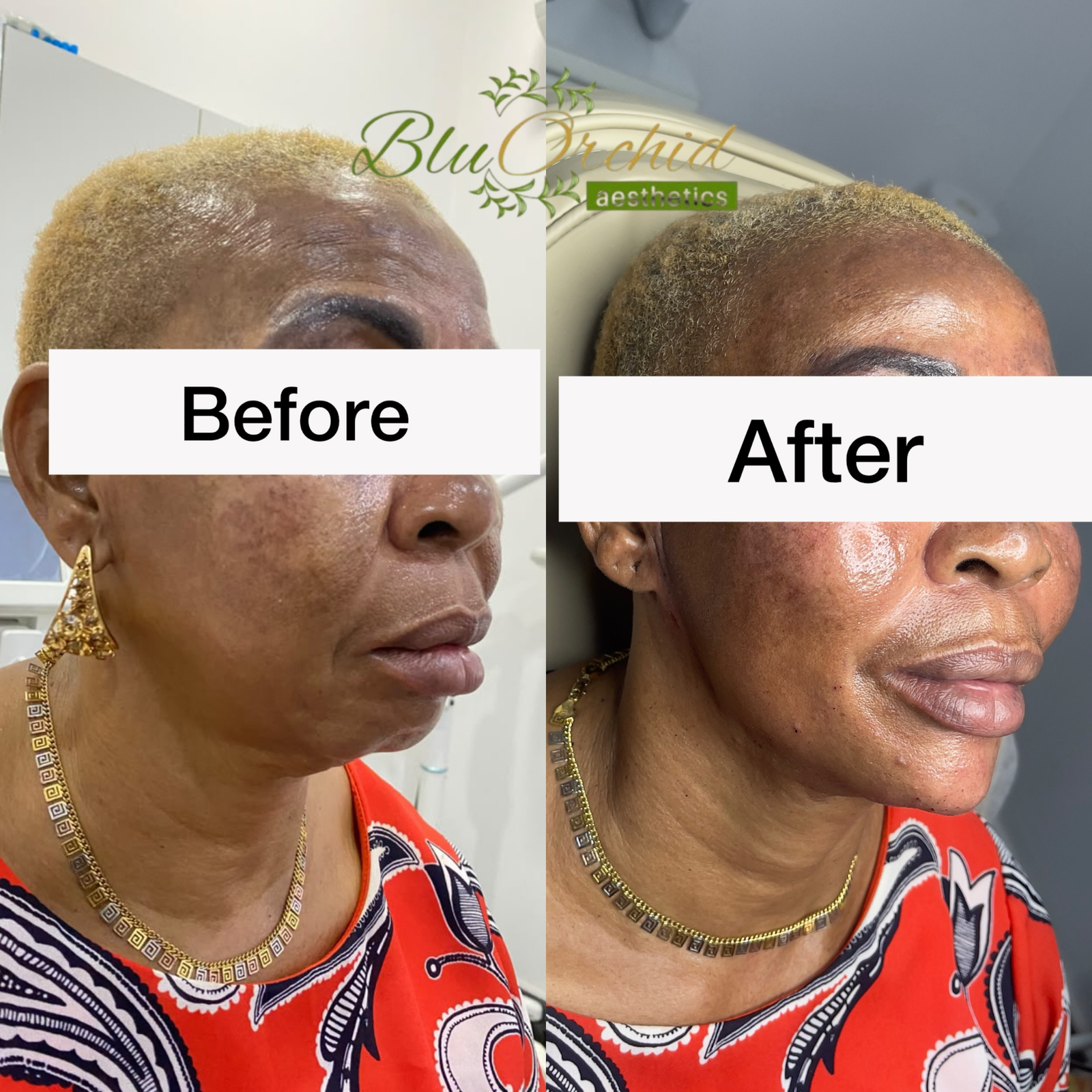
What determines how many Botox units you need?
Several factors can influence the amount used.
1. The area being treated
Different facial areas involve different muscles and patterns of movement.
Botox treatment may be considered for areas such as:
- Forehead lines
- Frown lines between the eyebrows
- Crow’s feet
- Masseter muscles
- Other areas where reducing specific muscle activity may be appropriate
Each area has its own considerations.
Someone treating one area may therefore need considerably fewer units than someone treating several areas.
2. Your facial movement
People do not all move their faces in the same way.
Some people naturally have stronger or more noticeable muscle movement. Others have relatively subtle movement.
Your injector should assess your face while you move it rather than deciding on a number without seeing how your muscles behave.
This is one reason a Botox consultation should involve facial assessment rather than simply asking what number of units you want.
3. Your individual anatomy
Facial anatomy varies from person to person.
The size, position and activity of the muscles being considered for treatment can differ. Your facial proportions and the way different muscles interact can also influence the treatment plan.
A personalised assessment is therefore more useful than copying someone else’s Botox dosage.
4. Your desired result
Not everyone wants the same outcome.
Some people want a subtle reduction in the appearance of dynamic lines while maintaining plenty of natural facial movement.
Others may be looking for a different degree of muscle relaxation.
Your aesthetic preference matters.
If your priority is a natural-looking result, the goal should not automatically be to use as many units as possible. The goal is to determine an appropriate treatment plan for the result you are trying to achieve.
5. Whether you have had Botox before
Your previous treatment history can also matter.
Your injector may want to know:
- Where you previously had Botox
- When you last had treatment
- How you responded
- What you liked about the result
- What you did not like
- Whether you experienced any problems
- Whether your previous treatment was performed elsewhere
This information can help your practitioner understand what you are looking for and make a more informed treatment decision.
Is more Botox better?
Not necessarily.
This is one of the most important things to understand if you are comparing Botox treatments.
More units do not automatically mean a better result.
The objective is not to maximise the number of units. It is to use an appropriate amount for the areas being treated and the result being sought.
An injector who simply recommends more because you asked for a stronger treatment may not necessarily be giving you the most thoughtful treatment plan.
For many patients, the better question is:
“What is the least amount appropriate for the result we are trying to achieve?”
That doesn’t mean that using more units is inherently wrong. Some treatment plans may appropriately involve more units.
It means the number should have a reason behind it.
Botox at BluOrchid Aesthetics, Lagos
Can you get Botox with a small number of units?
Sometimes, yes.
If you are treating a limited area or looking for a subtle change, your treatment plan may involve fewer units than someone treating multiple areas.
This is another reason not to compare your treatment directly with somebody else’s.
A friend might tell you they had 50 units, for example, but that number tells you very little without knowing:
- Which areas were treated
- Their facial anatomy
- Their muscle activity
- Their treatment objective
- Their previous treatment history
- The type of botulinum toxin used
The number alone is not enough information to determine whether that treatment was appropriate for you.
Should you ask for a specific number of units?
You can certainly ask how many units your injector recommends and why.
In fact, you should.
A good consultation should give you an opportunity to understand the proposed treatment rather than simply accepting a number.
You could ask:
“How many units are you recommending, and what is the reason for that amount?”
You can also ask:
- Which areas are you treating?
- Why do you recommend treating those areas?
- What result are you aiming for?
- Are you trying to preserve natural facial movement?
- Is this amount based on my individual facial anatomy?
- What happens if I want a more subtle result?
- What happens if I decide not to treat every area?
These questions can tell you much more about your treatment plan than simply asking for the cheapest price per unit.
Why Botox pricing by unit can be confusing
If you are comparing Botox prices, you may encounter clinics that price treatment by the unit and others that price according to the area or treatment.
This can make comparisons difficult.
A lower price per unit does not necessarily mean the treatment will cost less overall.
For example, two clinics could recommend different amounts for the same general concern. One may quote a price per unit while another may quote a treatment-area price.
This is why you should understand what is actually included in the treatment plan before comparing prices.
The number of units is only one part of the picture.
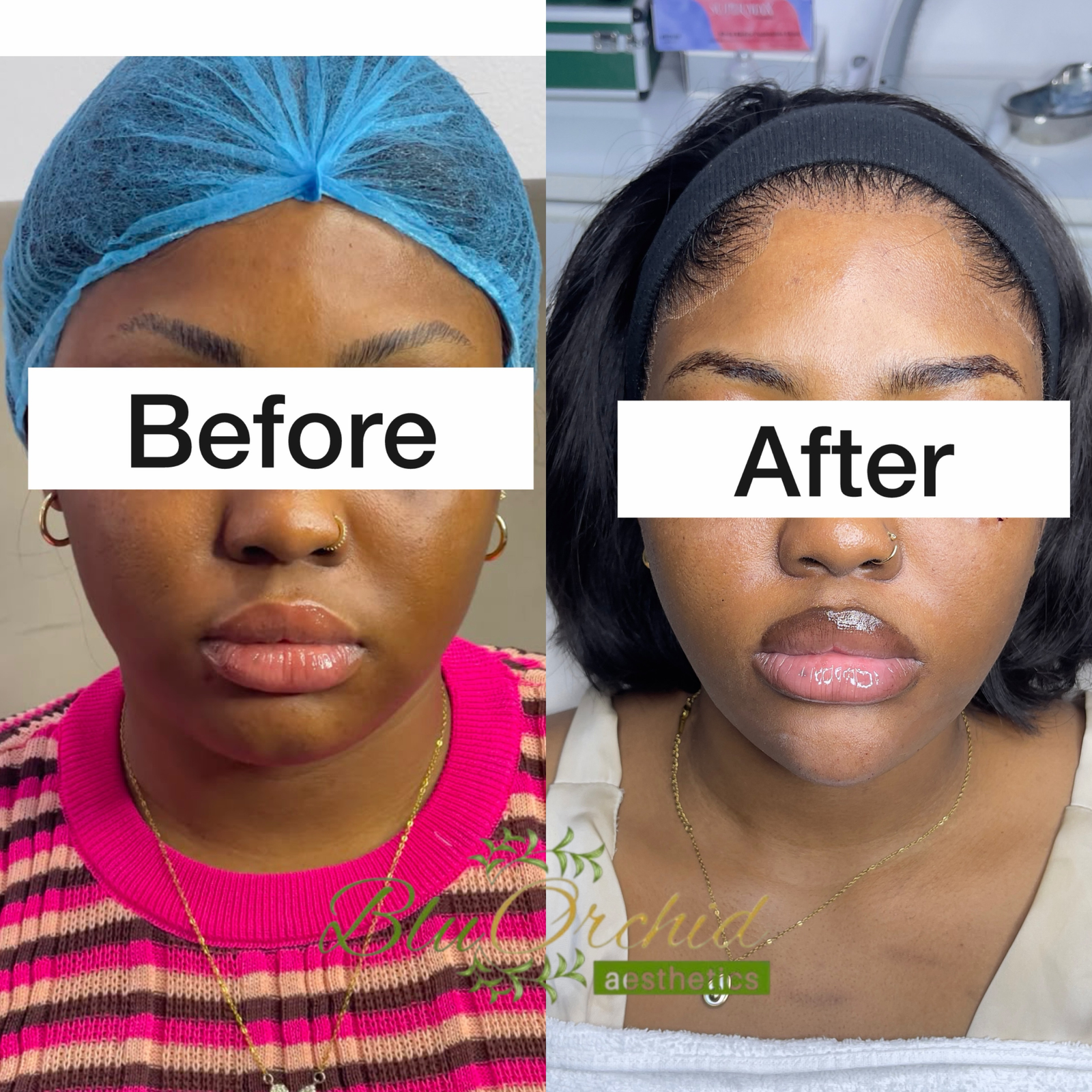
What about “Baby Botox”?
You may also come across the term Baby Botox.
This generally refers to an approach involving a smaller amount of botulinum toxin, often with the intention of producing a more subtle effect.
But “Baby Botox” does not mean that there is a special type of Botox that automatically requires a particular number of units.
The appropriate amount still depends on the individual treatment plan.
If you are interested in a subtle result, tell your injector that this is your preference rather than simply asking for a particular number of units.
Does the number of units tell you whether your injector is good?
No.
A higher or lower unit count does not, by itself, tell you whether an injector is skilled.
The more important questions are:
- Did they properly assess your face?
- Did they understand what you wanted?
- Did they explain the proposed treatment?
- Did they consider whether Botox was appropriate for you?
- Did they explain what they were treating and why?
- Did they avoid treating areas simply because you asked for them?
- Did they give you an opportunity to make an informed decision?
Good aesthetic treatment is not simply about a number.
It is about assessment, planning and appropriate treatment.
So, how many units of Botox do you actually need?
There is no single number that is right for everyone.
The appropriate amount depends on the areas you want treated, your facial movement and anatomy, your previous treatment history and the result you are hoping to achieve.
That means you should be cautious about choosing a Botox treatment based on a number someone else received.
Instead, have your face assessed by an appropriately qualified practitioner and ask them to explain why they recommend the amount they do.
If your priority is a natural-looking result, say so.
The best treatment plan is not necessarily the one with the most units. It is the one that is appropriate for your face, your goals and your treatment plan.
Considering Botox in Lagos?
At BluOrchid Aesthetics, Botox treatment begins with an assessment of your individual facial features, movement and aesthetic goals rather than choosing a standard number of units for every patient.
If you are considering Botox and want to understand what may be appropriate for you, book a consultation to discuss your goals and treatment options with Dr Gigi.
Frequently asked questions
Does the number of units tell you whether your injector is good?
No. A higher or lower unit count does not, by itself, tell you whether an injector is skilled. The more important questions are: Good aesthetic treatment is not simply about a number.
So, how many units of Botox do you actually need?
There is no single number that is right for everyone. The appropriate amount depends on the areas you want treated, your facial movement and anatomy, your previous treatment history and the result you are hoping to achieve.
Is more Botox better?
Not necessarily. This is one of the most important things to understand if you are comparing Botox treatments. More units do not automatically mean a better result. The objective is not to maximise the number of units.
Can you get Botox with a small number of units?
Sometimes, yes. If you are treating a limited area or looking for a subtle change, your treatment plan may involve fewer units than someone treating multiple areas. This is another reason not to compare your treatment directly with somebody else's.
A consultation at BluOrchid begins with exactly this assessment.
One hour with our doctors. An honest assessment. A plan built around you. ₦50,000, credited in full toward your first treatment.
Book your consultation Doctor-led assessment at Lekki Phase 1, Lagos.