Menopause Weight Gain: Medical Options That Help
Gaining weight during menopause? Learn why weight changes happen and which lifestyle, hormone and medical weight-loss options may help.

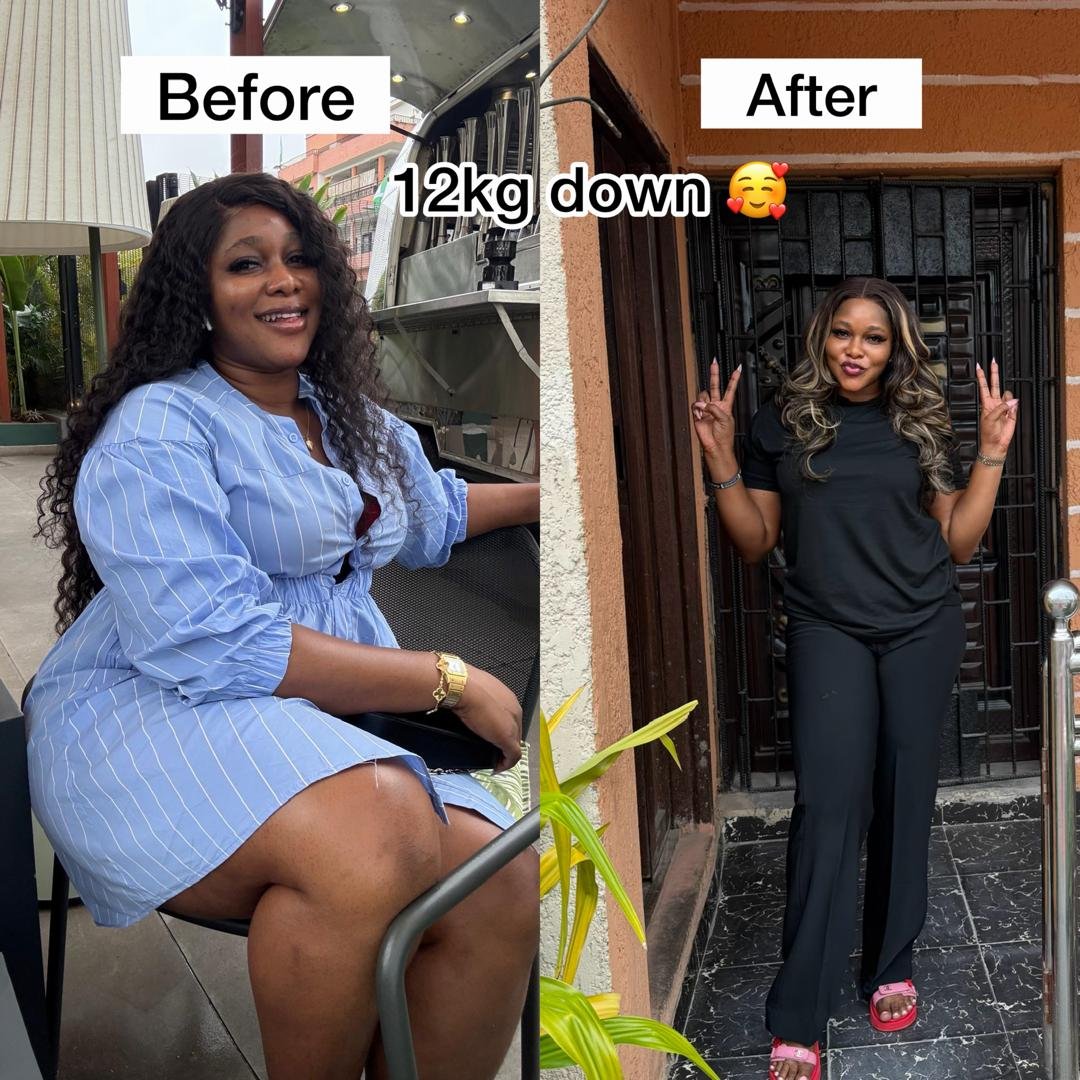
You are eating roughly the way you always have.
You may even be exercising more carefully than before.
Yet your waistline is changing.
Your weight is creeping upward.
And suddenly the strategies that used to work do not seem to work in quite the same way.
For many women, this becomes particularly noticeable during perimenopause and menopause.
The important thing is not to dismiss the change as:
“That’s just menopause.”
But it is also not helpful to assume that every kilogram gained during midlife is caused by falling oestrogen.
Menopause, ageing, changes in body composition, sleep, appetite, activity, stress and other health factors can overlap.
And when lifestyle changes alone are no longer enough, there are medical options worth discussing.
The right option depends on why you are gaining weight, how much weight you need to lose, your symptoms, your medical history and your goals.
Why Does Weight Gain Happen Around Menopause?
Menopause is a period of significant biological change.
As ovarian hormone production changes, body-fat distribution can also change, with a tendency toward greater central or abdominal fat accumulation.
At the same time, ageing can contribute to changes in muscle mass and energy expenditure.
Sleep can become more difficult.
Physical activity may decrease.
Appetite and eating patterns can change.
Stress may increase.
And conditions that become more common with age can also influence weight.
So when a woman says:
“I suddenly have belly fat after menopause,”
there may be several factors involved.
It is rarely useful to blame everything on one hormone.
The Menopause Society recommends addressing weight through nutrition, physical activity, sleep and stress management, while recognising that additional medical tools may be appropriate for some women.
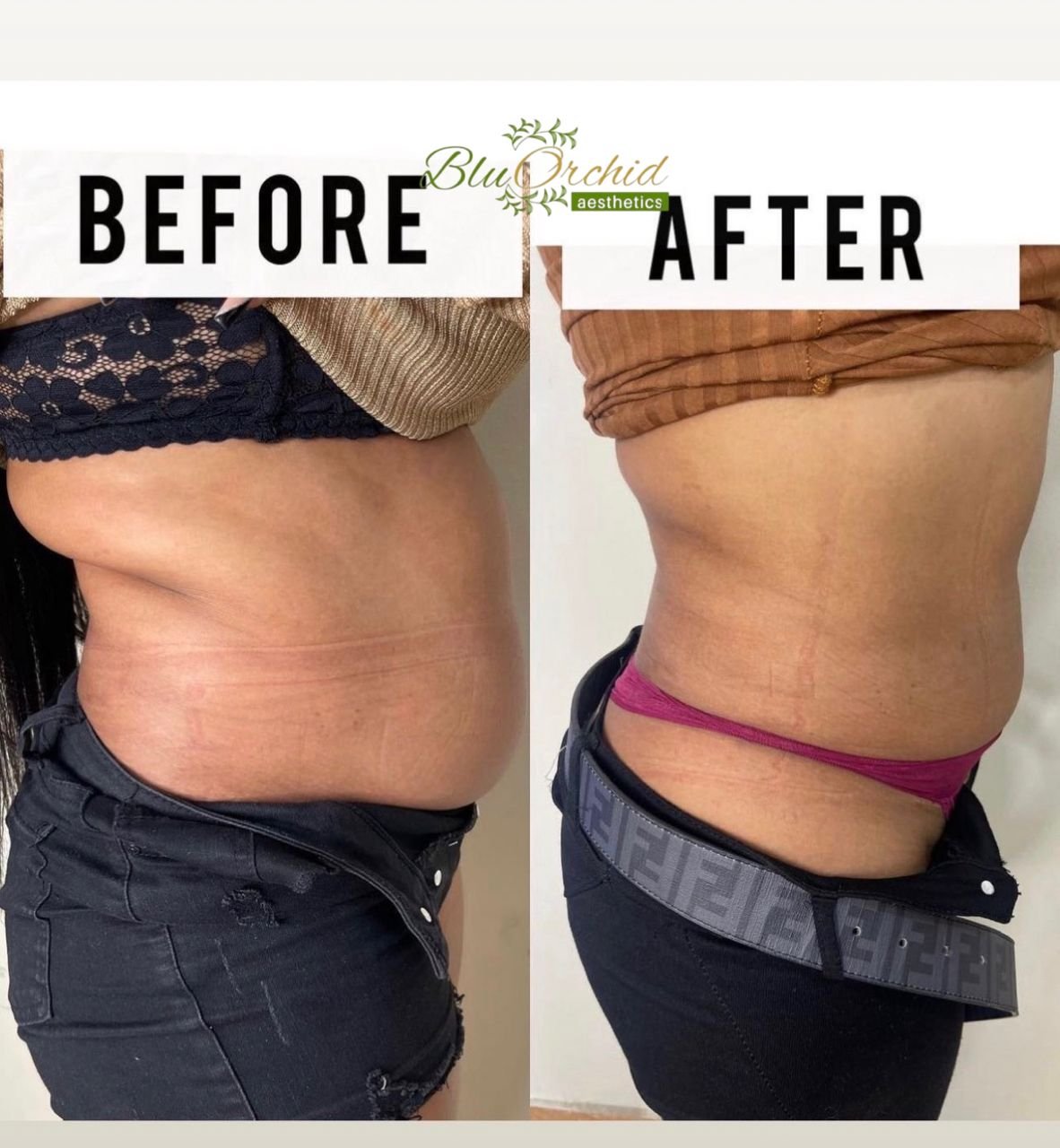
Menopause Weight Gain Is Not Just About the Scale
The number on the scale is only one part of the picture.
During midlife, you may notice:
- More abdominal fat
- Less muscle mass
- A change in waist circumference
- Clothes fitting differently
- Reduced exercise tolerance
- Changes in sleep
- Increased appetite
- Changes in blood pressure
- Changes in blood sugar or cholesterol
This is why a proper assessment should look beyond weight alone.
Your waist circumference, blood pressure, metabolic health, muscle mass, lifestyle and menopause symptoms can all matter.
Does Menopause Make Weight Loss Impossible?
No.
But it can make weight management more complicated.
A woman going through menopause is not physiologically identical to the same woman ten or twenty years earlier.
That does not mean weight loss cannot happen.
It means the strategy may need to change.
And if you have developed obesity or clinically significant excess weight, you do not have to treat the problem as a personal failure.
Obesity is a medical condition that can be treated medically.
What Should You Try First?
Medical treatment does not necessarily mean medication.
The foundation still matters.
Nutrition
The goal is not starvation.
A sustainable eating pattern should provide adequate:
- Protein
- Fibre
- Vegetables
- Fruit
- Appropriate carbohydrates
- Healthy fats
- Fluids
Protein becomes particularly important during midlife because maintaining muscle is an important part of healthy ageing and weight management.
Rather than asking:
“What foods are forbidden?”
a more useful question is:
“What eating pattern can I maintain while supporting my weight, muscle and metabolic health?”
Strength Training Matters
If your goal is simply to make the number on the scale smaller, it is easy to focus exclusively on calories.
But during and after menopause, body composition matters.
Resistance training can help support muscle strength and function.
This is important because losing weight without paying attention to muscle can produce a body that is smaller but not necessarily stronger or healthier.
A well-designed programme can include:
- Resistance training
- Walking
- Aerobic exercise
- Balance and mobility work
- Regular everyday movement
Your exercise plan should reflect your fitness level, medical history and any injuries or limitations.
Weight loss at BluOrchid Aesthetics, Lagos
Sleep Is Part of Weight Management
Menopause can disrupt sleep.
Hot flashes, night sweats, insomnia and other symptoms can make it harder to get consistent, restorative sleep.
Poor sleep can then make weight management more difficult.
If you are waking repeatedly at night and struggling with daytime fatigue, it is worth addressing the sleep problem rather than simply telling yourself to exercise more.
The Menopause Society specifically identifies sleep and stress management as part of healthy weight management during menopause.
What About Hormone Therapy?
This is where there is a lot of confusion.
Menopausal hormone therapy is not a weight-loss medication.
It is primarily used to treat bothersome menopause symptoms such as hot flashes and night sweats, and it can have other established benefits, including protection against bone loss in appropriate women.
The Menopause Society states that hormone therapy is not recommended specifically for treating weight gain associated with normal menopause.
So if you are gaining weight during menopause, the answer is not automatically:
“I need oestrogen.”
However, if you also have significant menopause symptoms, hormone therapy may be appropriate for those symptoms after an individual assessment of the benefits and risks.
That is a different clinical decision from prescribing medication specifically to lose weight.
Can Hormone Therapy Cause Weight Gain?
This is a common concern.
According to The Menopause Society, hormone therapy itself is not associated with weight gain.
That does not mean every woman will experience exactly the same body-composition changes while taking it.
It means weight gain should not automatically be attributed to hormone therapy.
And hormone therapy should not be started or stopped based solely on what the bathroom scale is doing.
When Is Hormone Therapy Appropriate?
Hormone therapy may be considered for appropriate women with bothersome menopause symptoms, particularly vasomotor symptoms such as hot flashes and night sweats.
For many healthy women who are younger than 60 or within 10 years of menopause onset, the benefits may outweigh the risks when there are no contraindications.
But hormone therapy is not appropriate for everyone.
Your clinician needs to consider your:
- Age
- Time since menopause
- Symptoms
- Medical history
- Cardiovascular risk
- Breast-cancer history
- History of blood clots
- Liver health
- Bleeding history
- Personal preferences
The route and formulation of hormone therapy also matter.
This is why hormone therapy should be individually prescribed rather than purchased or started based on an online recommendation.
What About Mounjaro for Menopause Weight Gain?
This is where medical weight management can become relevant.
Mounjaro contains tirzepatide, a medication that acts on GIP and GLP-1 pathways.
Tirzepatide is used for specific medical indications, including type 2 diabetes, and tirzepatide-based obesity treatment is supported by clinical evidence in people with obesity or overweight with relevant health conditions.
The important point is:
You are not taking Mounjaro because you are menopausal.
You may be considered for medical weight management because you meet the clinical criteria for treatment of overweight or obesity.
Menopause is part of your overall clinical context.
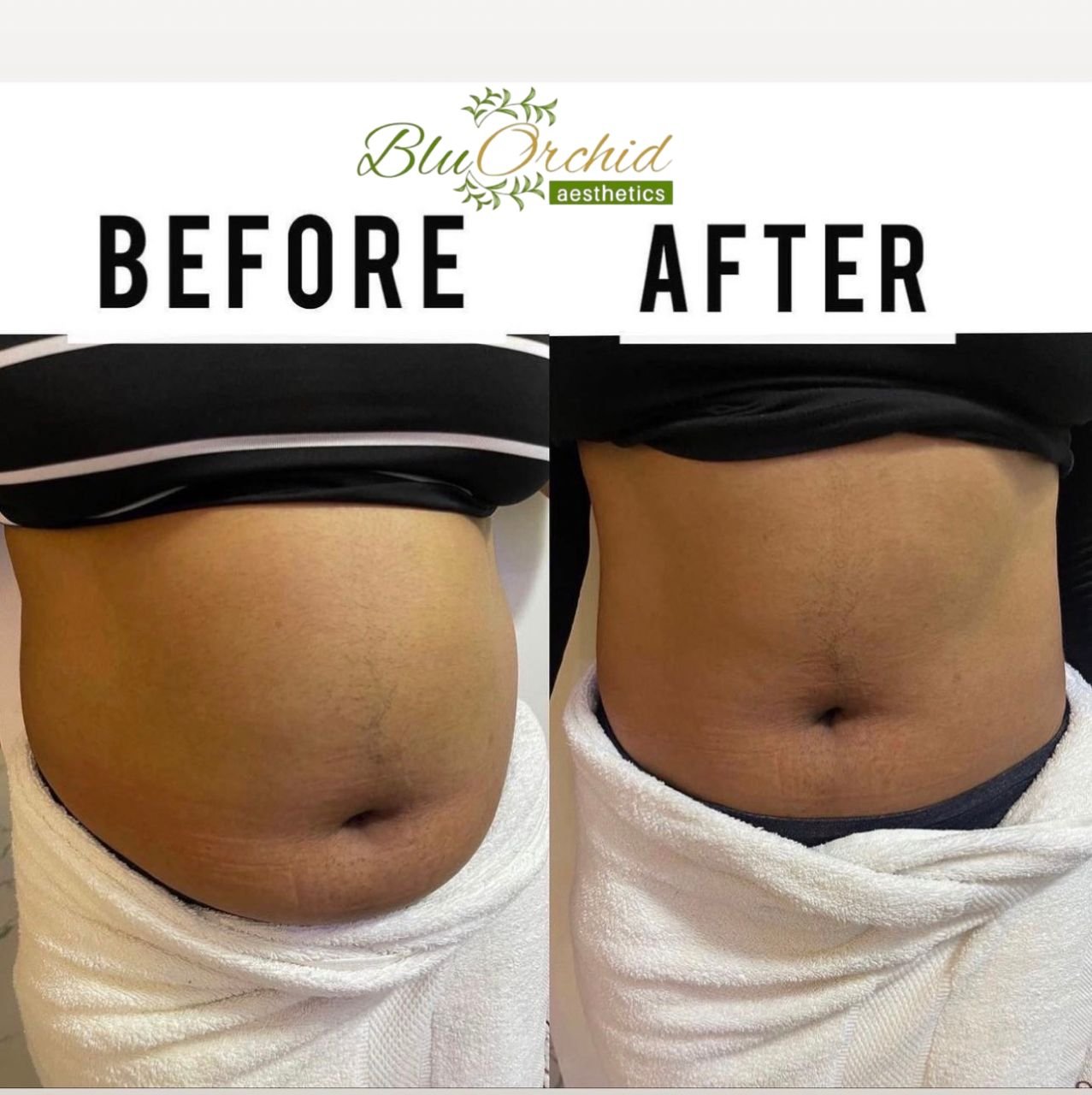
Does Tirzepatide Work After Menopause?
Available evidence suggests that menopause does not make tirzepatide ineffective.
A 2025 post-hoc analysis of women from the SURMOUNT programme found that tirzepatide was associated with significantly greater reductions in body weight and waist circumference than placebo among premenopausal, perimenopausal and postmenopausal women with overweight or obesity and without diabetes.
In the SURMOUNT-1 analysis, women in the postmenopausal subgroup had an average body-weight reduction of about 23% with tirzepatide versus about 3% with placebo at the study endpoint. These are study averages, not predictions for an individual patient.
That distinction matters.
You should never be promised that you will lose a particular percentage of your body weight because another patient or trial participant did.
But Menopause-Specific Evidence Is Still Developing
This is important for honest medical communication.
There is growing evidence about incretin-based medications in women during and after menopause, but the menopause-specific evidence base is not as extensive as the broader obesity literature.
A 2026 expert position statement from the Spanish Menopause Society described incretin-based therapies as promising for peri- and postmenopausal women with obesity, while emphasising body composition, muscle health, cardiometabolic risk and monitoring. It also noted that menopause-specific evidence remains limited, particularly for tirzepatide.
So the appropriate message is not:
“Mounjaro is the menopause weight-loss drug.”
It is:
“Tirzepatide may be an option for appropriate women with overweight or obesity, including women going through or after menopause.”
What About Other Weight-Loss Medications?
Tirzepatide is not the only medical option.
Depending on your medical history, local availability and eligibility, a clinician may consider different anti-obesity medications.
These can include medications based on:
- GLP-1 receptor agonism
- GIP/GLP-1 receptor agonism
- Other mechanisms of appetite or weight regulation
The right medication depends on the individual.
Your clinician may consider:
- BMI
- Waist circumference
- Type 2 diabetes
- Blood pressure
- Cholesterol
- Cardiovascular risk
- Other medications
- Previous weight-loss attempts
- Side-effect profile
- Cost and access
- Pregnancy considerations, where relevant
There is no universally “best” weight-loss medication.
What If You Have Only Gained a Few Kilograms?
Medication may not be appropriate.
If your weight has increased modestly but you do not meet criteria for pharmacological treatment, a structured nutrition, exercise and menopause-symptom plan may be more appropriate.
This is another reason not to treat every menopause-related weight change with a prescription.
The goal is not:
“Take medication because the scale moved.”
The goal is:
“Treat clinically meaningful health problems appropriately.”
What If You Have Obesity?
That is different.
If you have obesity, particularly alongside conditions such as:
- High blood pressure
- Prediabetes
- Type 2 diabetes
- Sleep apnoea
- Abnormal cholesterol
- Fatty liver disease
- Cardiovascular risk
then medical weight management may be appropriate.
In this situation, medication can be considered alongside nutrition, physical activity and behavioural support.
The Menopause Society notes that anti-obesity medications can be an additional tool when lifestyle measures alone are insufficient.
Weight loss at BluOrchid Aesthetics, Lagos
What About Belly Fat Specifically?
Menopause can be associated with a shift toward more central fat.
But a larger waist does not automatically mean you need a cosmetic body-contouring treatment.
The first question should be:
Is this primarily a medical weight-management issue or a localised contour issue?
If you have overall excess weight, treating the underlying weight problem may make more sense than trying to reduce individual pockets of fat.
If you are already at a stable, healthy weight but have a small localised area of fat, that becomes a different conversation.
What If Your Weight Is Normal but Your Waist Has Changed?
This is common enough to deserve attention.
You can have a relatively stable body weight while your body composition changes.
For example:
less muscle + more abdominal fat = similar scale weight, different shape
This is why resistance training, adequate protein and regular activity are important during midlife.
It also explains why chasing the lowest possible scale number may not be the best goal.
Sometimes the objective should be:
better body composition and metabolic health, not simply a smaller number.
Could Thyroid Problems Be Responsible?
Sometimes.
Menopause and thyroid disorders can overlap in their symptoms.
Fatigue, changes in weight, sleep problems and mood changes can occur for several different reasons.
A plateau or weight gain does not automatically mean you have a thyroid disorder.
But if you have relevant symptoms or an unexpected change in weight, your clinician can decide whether thyroid or other medical assessment is appropriate.
Do not automatically attribute every midlife symptom to menopause.
What About Insulin Resistance?
Insulin sensitivity can change during midlife, and abdominal adiposity is associated with increased metabolic risk.
If you are gaining weight around the abdomen, particularly alongside a family history of diabetes, high blood pressure or abnormal blood tests, a clinician may want to assess your metabolic health.
Depending on your circumstances, this may include reviewing:
- Blood glucose
- HbA1c
- Lipids
- Blood pressure
- Waist circumference
- Overall cardiovascular risk
The purpose is not simply to explain the number on the scale.
It is to identify health risks early.
What If You Are Taking Mounjaro and Going Through Menopause?
This is an increasingly relevant situation.
The menopause transition does not automatically mean you need to stop an effective weight-management medication.
But your overall care may need to account for:
- Appetite
- Nutrition
- Muscle preservation
- Exercise
- Bone health
- Menopause symptoms
- Cardiometabolic risk
- Other medications
- Hormone-therapy considerations
Current expert guidance emphasises that incretin treatment during menopause should be considered within a broader framework that includes muscle health, adequate protein, resistance exercise, bone health and cardiovascular risk.
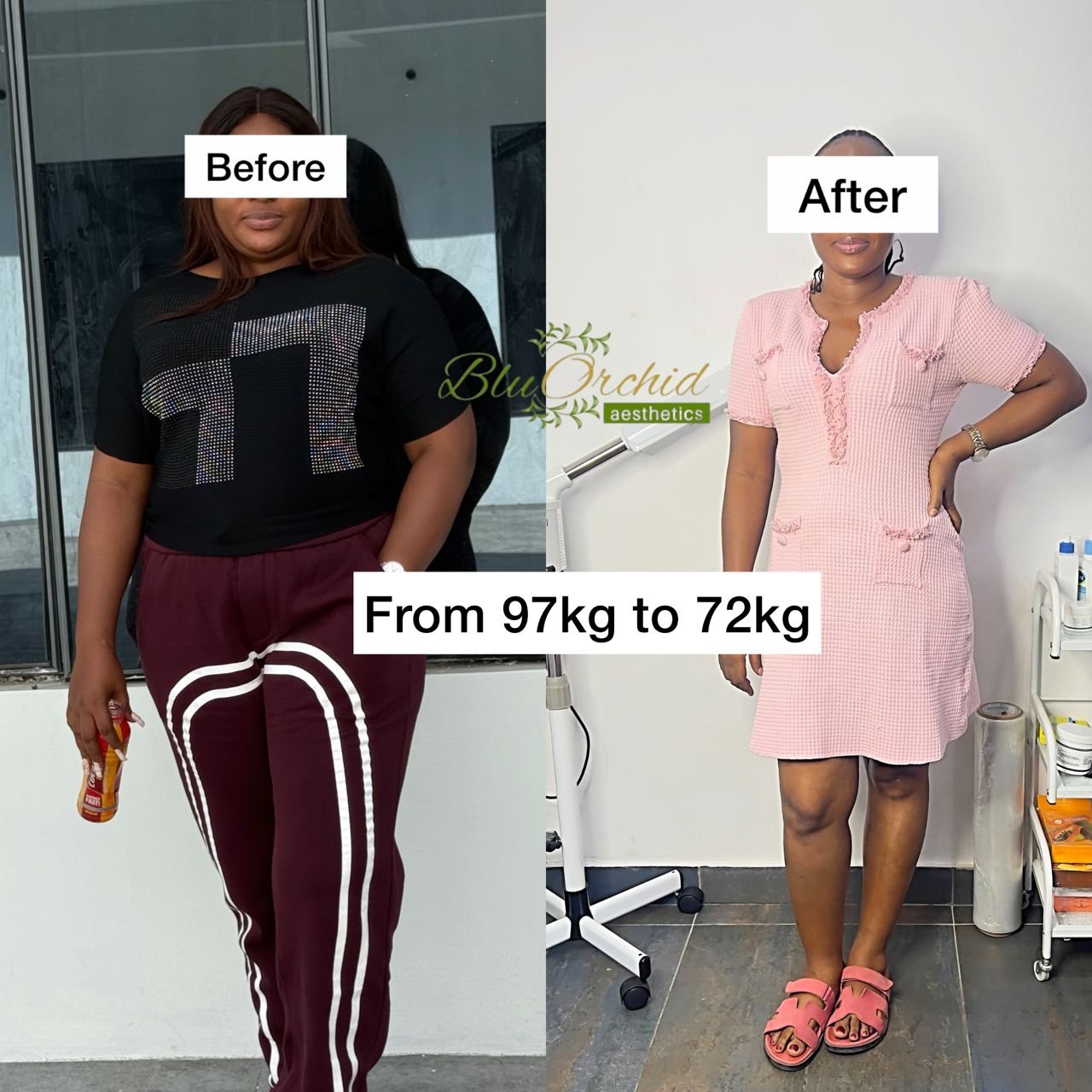
What About Combining Mounjaro With Hormone Therapy?
This is an area where you should be particularly careful about online claims.
There is interest in whether GLP-1 or GIP/GLP-1 medications may be used alongside menopausal hormone therapy.
But hormone therapy should not be started simply to increase weight loss.
The current menopause literature describes possible interactions and potential complementary effects as an area of ongoing research rather than an established weight-loss strategy.
If you need hormone therapy for genuine menopause symptoms and also meet criteria for medical weight management, your clinicians can consider the treatments together.
That is very different from taking hormones as a weight-loss enhancer.
What About Menopause Supplements?
The supplement market is full of products marketed for:
- “Menopause belly fat”
- “Hormone balance”
- “Metabolism”
- “Cortisol”
- “Fat burning”
- “Natural hormone replacement”
Be careful.
“Natural” does not automatically mean effective or safe.
Supplements can also interact with medication and may not contain what their marketing implies.
If you are considering a supplement for menopause or weight management, discuss it with a qualified healthcare professional rather than assuming that a product marketed for “hormone balance” has clinically meaningful effects.
A Better Menopause Weight-Management Strategy
Think of treatment as layers.
Layer 1: Understand what changed
Is it:
- Overall weight gain?
- Abdominal fat?
- Loss of muscle?
- Poor sleep?
- Increased appetite?
- Menopause symptoms?
- Another medical problem?
Layer 2: Build the foundation
Focus on:
- Adequate protein
- Fibre-rich foods
- Appropriate portions
- Resistance training
- Regular movement
- Sleep
- Stress management
Layer 3: Treat menopause symptoms when appropriate
If hot flashes, night sweats or genitourinary symptoms are significantly affecting your life, discuss evidence-based menopause treatment.
Hormone therapy may be appropriate for some women; non-hormonal options are available for others.
Layer 4: Consider medical weight management
If you have overweight or obesity and lifestyle measures have not been sufficient, prescription anti-obesity medication may be appropriate.
Layer 5: Monitor what actually matters
Track more than weight:
- Waist circumference
- Blood pressure
- Blood glucose
- Cholesterol
- Strength
- Physical function
- Menopause symptoms
- Medication side effects
When Should You See a Doctor About Menopause Weight Gain?
Consider a clinical assessment if:
- Your weight has increased significantly
- You are developing central/abdominal obesity
- You have tried lifestyle changes without success
- Your blood pressure has increased
- You have a family history of diabetes
- You have symptoms of sleep apnoea
- You are experiencing severe menopause symptoms
- You are considering hormone therapy
- You are considering weight-loss medication
- You are gaining weight unexpectedly or rapidly
- You have other symptoms that do not fit typical menopause changes
A medical consultation can distinguish between normal midlife body-composition changes, clinically significant obesity and another underlying health issue.
The Bottom Line
Menopause can change how your body stores fat, how much muscle you carry and how difficult weight management feels.
But menopause does not mean you have to accept significant weight gain as inevitable.
Start with the fundamentals:
nutrition + resistance training + movement + sleep + symptom management.
If those are not enough and you have clinically significant overweight or obesity, medical weight-management options, including prescription anti-obesity medications, may be appropriate.
Hormone therapy is different.
It can be highly effective for appropriate menopause symptoms, but it should not be prescribed simply as a weight-loss treatment.
The most useful approach is not to ask:
“What menopause medication will make me lose weight?”
It is:
“What has changed in my health and body composition, and what treatment addresses the actual problem?”
That is where personalised menopause and weight-management care begins.
Frequently asked questions
Why am I gaining weight during menopause?
Several factors can overlap, including changes in body-fat distribution, ageing-related changes in muscle mass, sleep disruption, appetite, physical activity, stress and other health factors. Menopause can contribute to these changes, but it is not the only possible explanation.
Can menopause cause belly fat?
The menopause transition is associated with a shift toward greater central or abdominal fat in many women. However, the extent varies between individuals.
Can Mounjaro help with menopause weight gain?
Tirzepatide may be appropriate for women who meet clinical criteria for medical treatment of overweight or obesity. A 2025 analysis found significant weight and waist reductions with tirzepatide across premenopausal, perimenopausal and postmenopausal groups.
Is Mounjaro specifically a menopause treatment?
No. Mounjaro is not a menopause treatment. Tirzepatide may be used for appropriate metabolic or weight-management indications, while menopause symptoms require their own assessment.
Does hormone replacement therapy help you lose weight?
Hormone therapy is not a weight-loss treatment. It is primarily prescribed for established menopause indications such as bothersome hot flashes and night sweats and may have other health benefits for appropriate women.
Does hormone therapy cause weight gain?
The Menopause Society states that hormone therapy is not associated with weight gain.
Can I take Mounjaro and hormone therapy together?
They may potentially be used in the same patient when each has an appropriate indication, but this should be individually assessed by your clinician. Evidence about their combined use specifically for menopause-related weight management is still developing.
What is the best diet for menopause weight gain?
There is no single menopause diet that works for everyone. A sustainable eating pattern with adequate protein, vegetables, fibre and appropriate portions, combined with resistance exercise and regular movement, is a better foundation than an extreme restrictive diet.
Should I take testosterone for menopause weight gain?
Testosterone should not be used simply as a weight-loss treatment. Its use in postmenopausal women is limited to specific clinical indications and requires appropriate assessment.
Can menopause weight gain be reversed?
It can often be managed, although the amount of weight loss varies considerably between individuals. The appropriate approach depends on your starting weight, health, menopause symptoms, body composition and treatment goals.
Why is it harder to lose weight after 50?
Ageing and menopause can coincide with changes in muscle mass, activity, energy expenditure, appetite, sleep and fat distribution. These changes can make weight management more challenging, but they do not make weight loss impossible.
Should I lose weight before treating my menopause symptoms?
Not necessarily. Menopause symptoms and weight management can be addressed in parallel when appropriate. If symptoms such as hot flashes or sleep disruption are affecting your quality of life, they deserve appropriate treatment rather than being postponed until you lose weight.
When should I consider weight-loss medication?
Medication may be appropriate when you meet clinical criteria for treatment of overweight or obesity and lifestyle measures alone have not produced adequate results. Your medical history, current health, medications and treatment goals should all be considered.
Considering Medical Weight Management in Lagos?
If menopause has brought changes in your weight, waistline, appetite or metabolic health, the first step is understanding what has actually changed.
At BluOrchid Aesthetics, medical weight management should begin with an individual assessment rather than automatically prescribing medication.
Book a Consultation to discuss your options.
- Medical Weight Loss in Lagos: weightloss
- Stuck on Mounjaro: blog mounjaro weight loss plateau
- What to Eat on Mounjaro: blog what to eat on mounjaro
- Book a Consultation: consultation
Clinical references
- The Menopause Society, Hormone Therapy.
- The Menopause Society, Perimenopause: Managing Weight.
- The Menopause Society, Weight Gain During Menopause.
- The Menopause Society, Statement on Hormone Therapy Misinformation.
- Post-hoc analysis of tirzepatide by reproductive stage, Obesity, 2025.
- Spanish Menopause Society expert position statement on incretin-based therapies in peri- and postmenopausal women, Maturitas, 2026.
A consultation at BluOrchid begins with exactly this assessment.
One hour with our doctors. An honest assessment. A plan built around you. ₦50,000, credited in full toward your first treatment.
Book your consultation Doctor-led assessment at Lekki Phase 1, Lagos.