Skin Lightening vs Even Skin Tone: Why We Do Not Bleach
There is a difference between treating pigmentation and changing your natural skin colour. Dr Gigi explains why BluOrchid does not bleach skin.

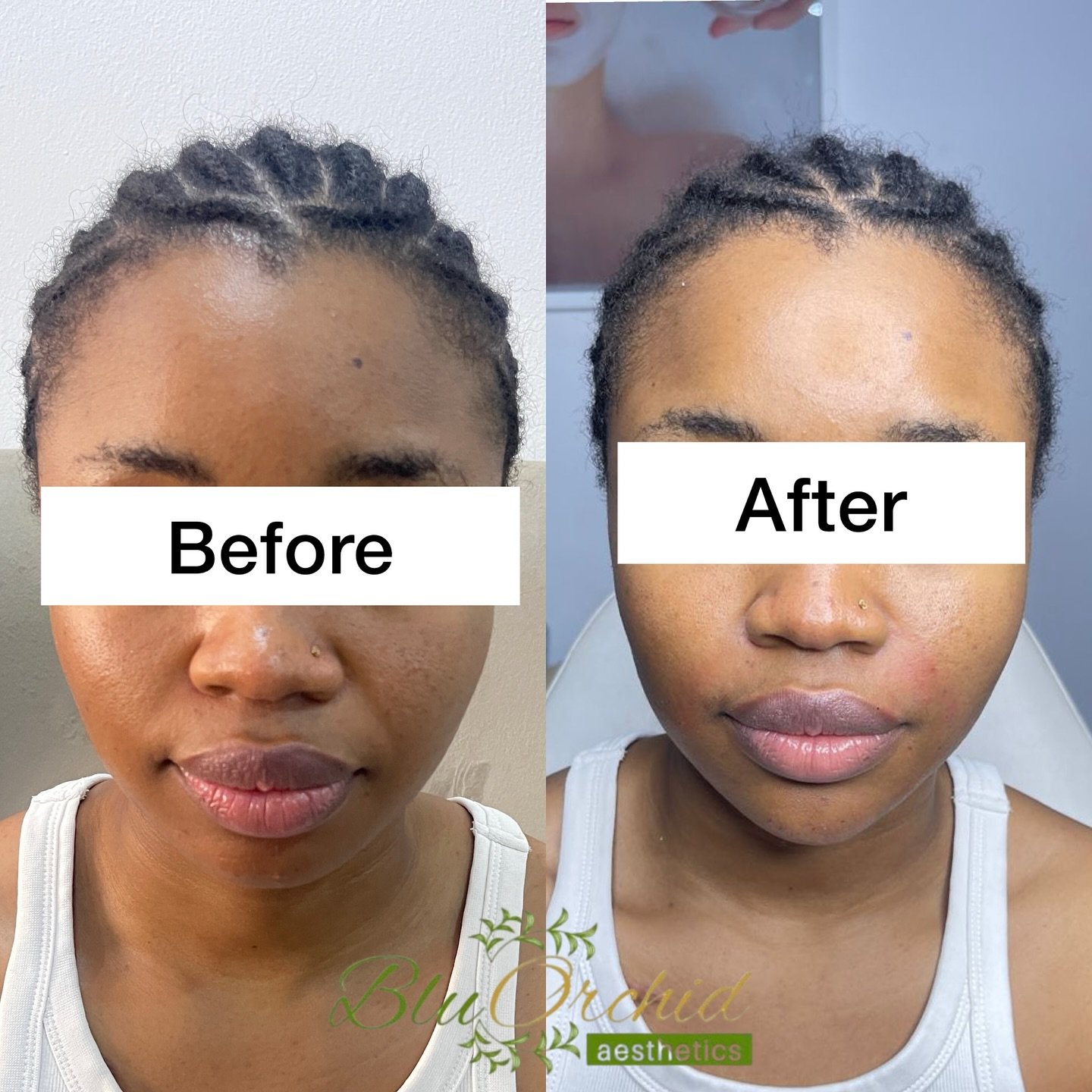
There is a difference between wanting your skin to look clearer and wanting it to be lighter.
One is about treating the skin.
The other can become a lifelong pursuit of changing its natural colour.
At BluOrchid Aesthetics, we believe those two goals should never be confused.
When a patient comes to us with dark patches, uneven pigmentation, acne marks, melasma or areas of discolouration, our goal is not to make their skin lighter than it naturally is.
Our goal is to help their skin look healthier, clearer and more even.
That distinction is at the centre of how we approach pigmentation.
And it is why we do not bleach skin.
What is the difference between skin lightening and treating pigmentation?
The terms are often used interchangeably, but they describe very different intentions.
Pigment correction means addressing areas where the skin has developed excess or uneven pigmentation.
That might mean treating:
- Post-acne marks
- Melasma
- Pigmentation caused by inflammation
- Dark marks after insect bites or injuries
- Uneven pigmentation from irritation
- Dark patches associated with friction or other triggers
- Certain forms of sun-related pigmentation
The objective is to bring the affected areas closer to the person’s natural, more even skin tone.
Skin bleaching, on the other hand, is generally associated with deliberately trying to make the skin lighter overall.
That is not what we are trying to achieve.
If your natural complexion is deep brown, the goal is not to turn it into a lighter brown.
If your complexion is medium brown, the goal is not to make it several shades lighter.
The goal is to address what has changed.
We treat the pigmentation, not the identity of the skin.

Why does this distinction matter?
Because darker skin is not a problem that needs correcting.
Uneven pigmentation is.
There is an important difference.
Your natural skin tone is determined by your biology. It is part of what makes your skin yours.
But when inflammation, hormones, acne, sun exposure or irritation cause certain areas to produce more pigment than others, the result can be an uneven complexion.
That is a skin concern.
And it can be treated without trying to erase the complexion underneath it.
Why people start bleaching their skin
The decision to lighten the skin rarely begins with someone thinking, I want to damage my skin.
It often begins much more innocently.
A person notices a dark patch.
Then they notice that their face looks darker than their body.
Perhaps they have acne marks that will not fade.
Someone recommends a cream.
The cream seems to work quickly.
The complexion becomes lighter and the person interprets that as improvement.
Then the original colour begins to return.
So they apply more.
Or they move to a stronger product.
Eventually, maintaining the lighter appearance becomes the goal.
This is where the distinction between pigment correction and skin bleaching becomes especially important.
You can start by wanting to treat one dark patch and end up trying to control your entire complexion.
Why fast lightening can be misleading
One of the reasons bleaching products can be so persuasive is that the change can appear dramatic.
But a dramatic change in colour is not necessarily evidence of healthier skin.
Some lightening products may contain potent ingredients that alter pigment production. Others may contain ingredients that are inappropriate for prolonged or unsupervised use.
And some products sold informally may not make their ingredients or concentrations clear at all.
The fact that something makes your skin visibly lighter does not tell you whether it is appropriate for your skin.
Colour change is not the same thing as skin health.
That is an important distinction.
Pigmentation at BluOrchid Aesthetics, Lagos
What we are actually trying to achieve
When we talk about an even skin tone, we are talking about something much more subtle.
Imagine someone who has their natural complexion but also has:
- darker acne marks across the cheeks
- pigmentation around the mouth
- uneven patches on the forehead
- darker areas left behind after inflammation
- areas of pigmentation caused by friction
The objective is not to lighten every part of the face.
It is to reduce the contrast between the pigmented areas and the surrounding skin.
The result should still look like your skin.
Just more even.
Even skin does not mean perfect skin
This is another distinction worth making.
Healthy skin is not perfectly uniform.
Real skin has pores.
Real skin has texture.
Real skin can have freckles, marks, scars, variation and changes in colour.
The pursuit of completely uniform skin can become exhausting.
We would rather help patients understand what is worth treating and what is simply part of having skin.
That is especially important with darker skin, where the desire for a completely uniform complexion can sometimes lead people into increasingly aggressive attempts to lighten their skin.
You do not need to erase every variation to have beautiful skin.
Our approach to pigmentation starts with a question
Not:
“How can we make this skin lighter?”
But:
“Why is this area darker?”
That question changes everything.
If the pigmentation followed acne, we need to think about inflammation and the acne itself.
If it appeared after irritation, we need to understand what irritated the skin.
If it looks like melasma, the management strategy is different.
If it is related to friction, shaving or another repeated trigger, simply treating the colour without addressing the trigger is unlikely to be enough.
Pigmentation is not one condition with one universal solution.
It can have multiple pathways.
That is why our approach is built around understanding the cause before choosing the intervention.
Pigment correction is not about chasing the strongest treatment
There is a temptation to assume that the strongest peel, most powerful laser or most aggressive product will produce the best result.
It does not work that way.
Especially with pigmentation-prone skin, creating too much irritation can sometimes make the problem more difficult to manage.
The right treatment depends on what is actually causing the pigmentation, how the skin is behaving and what level of intervention is appropriate.
Sometimes that means professional treatment.
Sometimes it means improving the home-care routine.
Often, it means both.
The objective is not to overwhelm the skin.
It is to create a strategy the skin can respond to and that the patient can maintain.
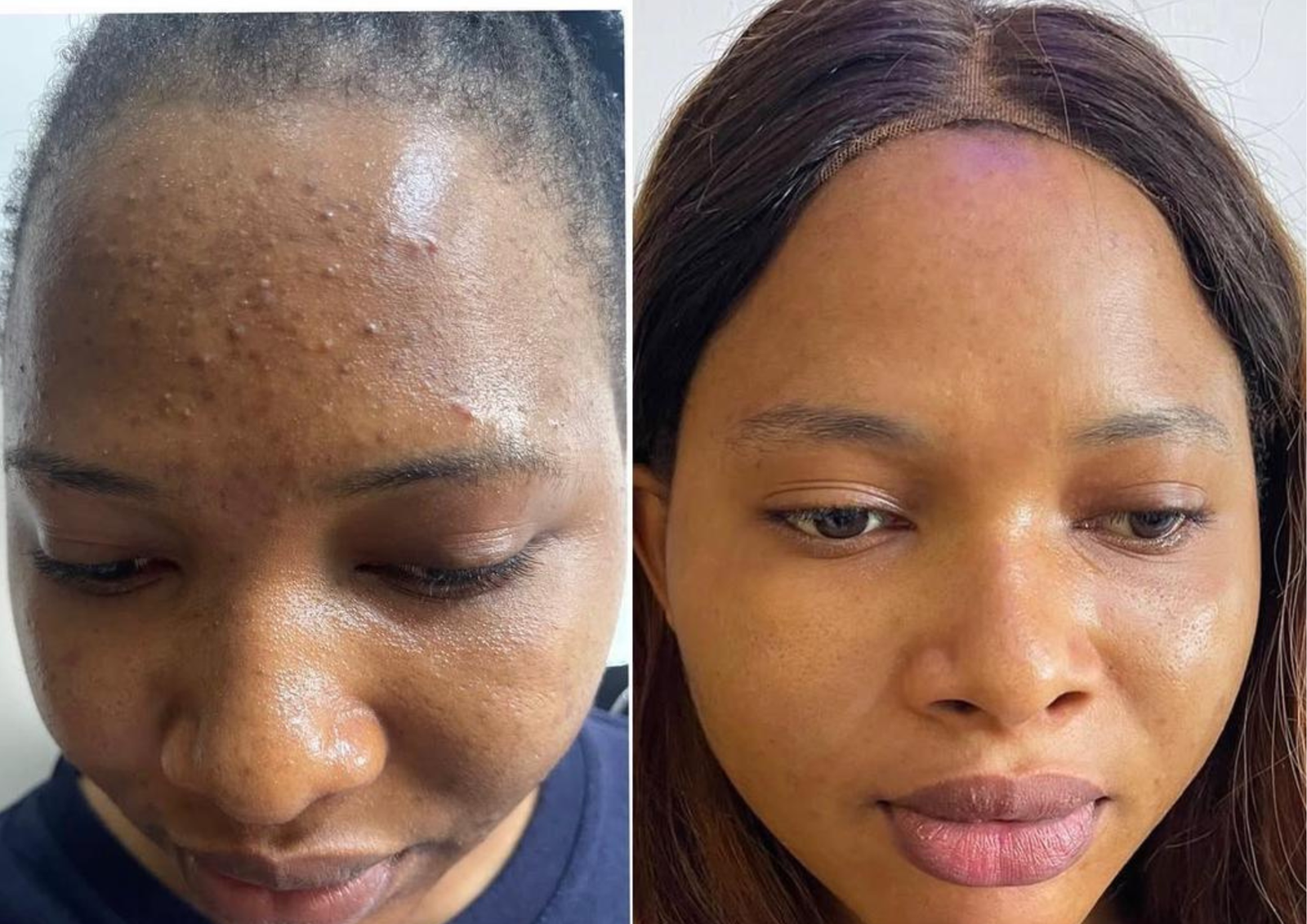
What about brightening skincare?
There is nothing inherently wrong with wanting your skin to look brighter.
The problem is what brightening is being asked to mean.
Healthy brightening can mean:
- reducing the appearance of dark spots
- improving uneven pigmentation
- supporting a healthier-looking complexion
- reducing the dull appearance caused by accumulated skin changes
- helping the skin look clearer and more luminous
It should not automatically mean making your natural complexion lighter.
This is why ingredient selection matters.
A thoughtful pigmentation routine should be built around the actual concern rather than a vague promise to make the skin “fairer”.
Why we are careful with the word “fair”
The language surrounding skin can shape what people believe their skin should look like.
Words such as fairer, whiter and lighter can turn a treatment for pigmentation into a pursuit of a different complexion altogether.
We would rather use language that describes what we are actually treating.
Even. Clear. Healthy. Balanced.
Those are meaningful skin goals.
Your skin does not need to become lighter to become better cared for.
What we tell patients who have been bleaching
We do not judge them.
That matters.
Many people have been using lightening products for years before they ever walk into a clinic.
Some started because of acne.
Some because of pigmentation.
Some because they were influenced by family, friends, social media or beauty culture.
Some simply wanted to feel more confident.
The conversation should not begin with shame.
It should begin with understanding.
If you have been using a bleaching product, the next step is not necessarily to panic or start adding more products to your routine.
It is to understand what you have been using, what your skin is doing now and what needs to change.
Your skin can be approached from where it is today.
Stopping bleaching does not mean giving up on your skin
There is sometimes a fear that if you stop using a lightening product, your skin will suddenly become “bad”.
That fear can keep people trapped in a cycle.
The answer is not to keep chasing the lighter version of your skin.
It is to rebuild a healthier relationship with your natural complexion.
That can mean simplifying your routine, supporting the skin barrier, protecting the skin from environmental triggers and addressing any pigmentation or inflammation that remains.
And importantly, it may take time.
Skin does not have to change overnight to be improving.
A different definition of beautiful skin
At BluOrchid, we believe aesthetic medicine should help you look like the best version of yourself.
Not like someone else.
Not like a lighter version of yourself.
And not like you have had every natural variation in your skin digitally erased.
That philosophy extends to pigmentation.
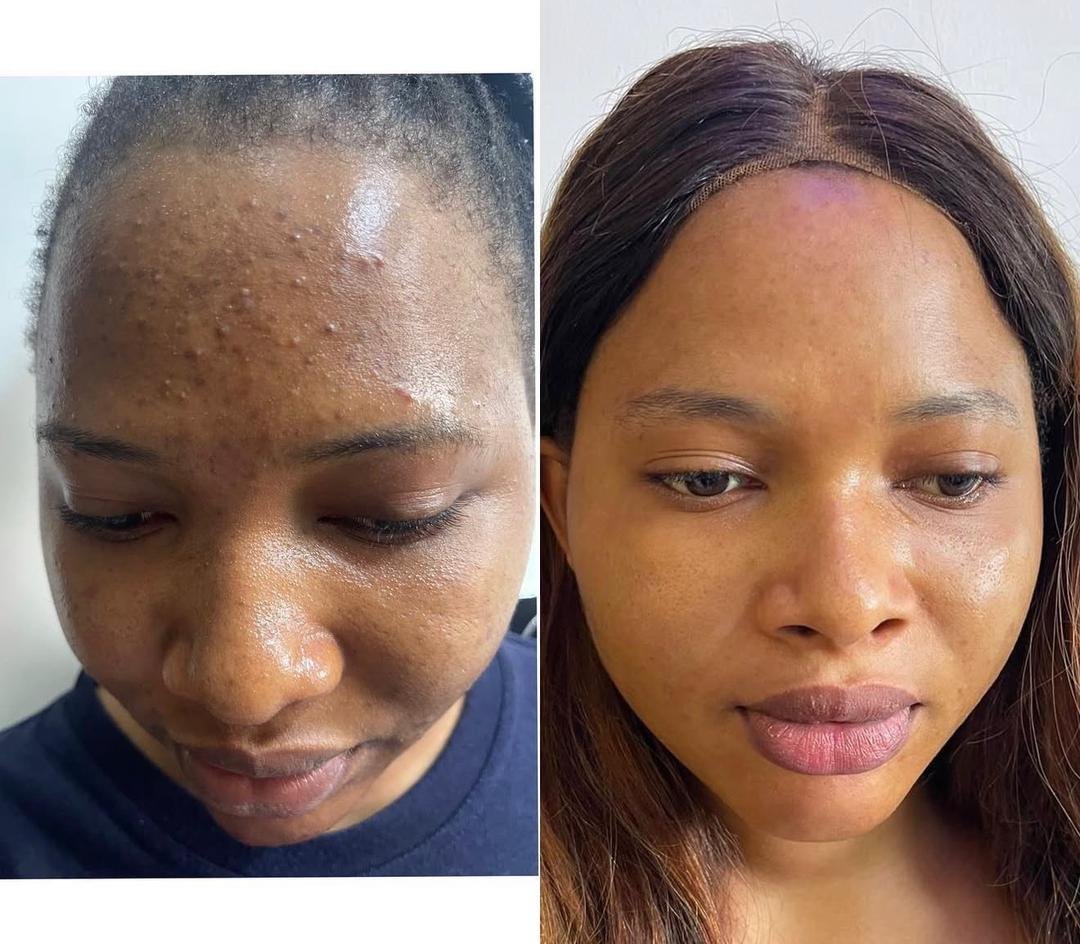
We want to see the dark mark fade.
We want to see the unevenness settle.
We want the complexion to look clearer.
But we still want it to look like you.
The 8skinpro philosophy: correction, not bleaching
This is also why our approach to home care follows the same principle.
The purpose of a pigment-correction routine is to address the processes contributing to uneven pigmentation while supporting the skin at the same time.
It is not designed around making naturally dark skin lighter.
The 8skinpro approach is built around multiple pathways rather than one aggressive “bleaching” step: addressing pigmentation, supporting the skin barrier and maintaining protection so the skin can become more even over time.
That distinction matters because pigmentation is rarely solved by one product alone.
Five steps. Multiple pathways. One pigmentation strategy.
The goal is not a different skin colour.
The goal is more even skin.
What does “even skin tone” actually look like?
It can be surprisingly simple.
Your cheeks do not need to be several shades lighter.
Your forehead does not need to match an artificially lightened version of your face.
Your knees, elbows, underarms or inner thighs do not need to become the same colour as every other part of your body.
An even skin tone simply means reducing unwanted variation where it is possible and appropriate.
That may be enough.
And sometimes, that is far more beautiful than chasing perfection.
Our position is simple
We will treat pigmentation.
We will help manage acne marks.
We will address uneven tone.
We will work with patients who want their skin to look clearer and healthier.
We will recommend appropriate skincare and professional treatments where they have a role.
But we will not promise to make naturally dark skin lighter.
Because dark skin is not a condition to cure.
Pigmentation is.
There is a difference.
Frequently asked questions
Is skin lightening the same as treating hyperpigmentation?
No. Treating hyperpigmentation means addressing areas of excess or uneven pigment. Skin lightening generally refers to deliberately making the skin lighter overall. The aim of pigment correction should be to improve uneven areas while respecting the person’s natural complexion.
Does treating pigmentation make dark skin lighter?
The goal should not be to lighten naturally pigmented skin. Proper pigmentation treatment aims to reduce unwanted dark areas so that the complexion appears more even.
Can I treat dark spots without bleaching my skin?
Yes. Pigmentation can be approached with appropriate skincare, professional treatments and management of the triggers that caused it. The treatment depends on the type and cause of the pigmentation.
Why does my skin look lighter after using a bleaching cream?
Some lightening products can reduce pigment production or otherwise alter the appearance of the skin. A visible change in colour does not necessarily mean the skin has become healthier.
Is brightening skincare the same as bleaching?
Not necessarily. Brightening can refer to improving dullness or reducing the appearance of excess pigmentation. Bleaching is associated with deliberately lightening the overall complexion. The ingredients, purpose and way a product is used all matter.
Can dark skin be treated for pigmentation safely?
Yes, but treatment needs to be appropriate for the cause and the skin. Darker skin can be particularly prone to developing additional pigmentation after inflammation or irritation, so a careful approach matters.
What if I have been bleaching my skin for years?
You do not need to feel ashamed. A professional assessment can help determine what your skin needs now, including whether there is pigmentation, irritation or other changes that need attention. The approach should be gradual and focused on restoring healthier skin rather than simply replacing one lightening product with another.
Why does BluOrchid not offer skin bleaching?
Because our approach to aesthetic medicine is about improving the health, balance and appearance of the skin without treating someone’s natural complexion as something that needs to be changed.
Your skin does not need a new colour
It may need a better strategy.
If you are dealing with pigmentation, uneven tone or dark marks, the first step is understanding why they are there.
At BluOrchid Aesthetics, the goal is not to make you lighter.
It is to help you achieve skin that looks clearer, healthier and more even while still looking like you.
Your consultation is ₦50,000, and the fee is credited toward your selected treatment if you decide to proceed.
A consultation at BluOrchid begins with exactly this assessment.
One hour with our doctors. An honest assessment. A plan built around you. ₦50,000, credited in full toward your first treatment.
Book your consultation Doctor-led assessment at Lekki Phase 1, Lagos.