Why Your Pigmentation Came Back After Treatment
Pigmentation can return after treatment. Learn why dark spots come back, what triggers recurrence and how to maintain a more even skin tone.


You treated the pigmentation. Your skin looked clearer. The dark patches faded, your complexion looked more even, and for a while, it seemed like the problem was behind you.
Then you noticed it again.
A familiar patch around your cheeks. Darkness around your mouth. Uneven tone across your forehead. Perhaps not exactly where it was before, but enough to make you wonder whether the treatment had failed.
This is one of the most frustrating parts of treating pigmentation.
But pigmentation returning does not necessarily mean the treatment did not work.
Often, it means the underlying triggers are still present.
Pigmentation is not always a problem that can be treated once and forgotten. For many people, particularly those prone to melasma or post-inflammatory hyperpigmentation, maintenance is part of treatment.
At BluOrchid Aesthetics, we approach pigmentation with that distinction in mind: the goal is not simply to make a dark patch disappear. It is to understand why it appeared in the first place, reduce the triggers that keep stimulating pigment production and build a routine that helps protect the result.
First: treatment and maintenance are not the same thing
One of the biggest misunderstandings about pigmentation is expecting a treatment to permanently remove the tendency to develop it.
A treatment can improve existing pigmentation.
It does not necessarily remove the factors that caused your skin to become pigmented in the first place.
Think about it this way.
If pigmentation developed because of repeated inflammation, hormonal changes, sun exposure, heat, irritation or acne, treating the visible pigmentation addresses what is already there.
But if the trigger continues, your skin can begin producing excess pigment again.
That is why some people experience a cycle of:
Pigmentation → treatment → improvement → trigger returns → pigmentation returns.
The answer is not always another aggressive treatment.
Sometimes, the more important question is:
What keeps triggering the pigmentation?
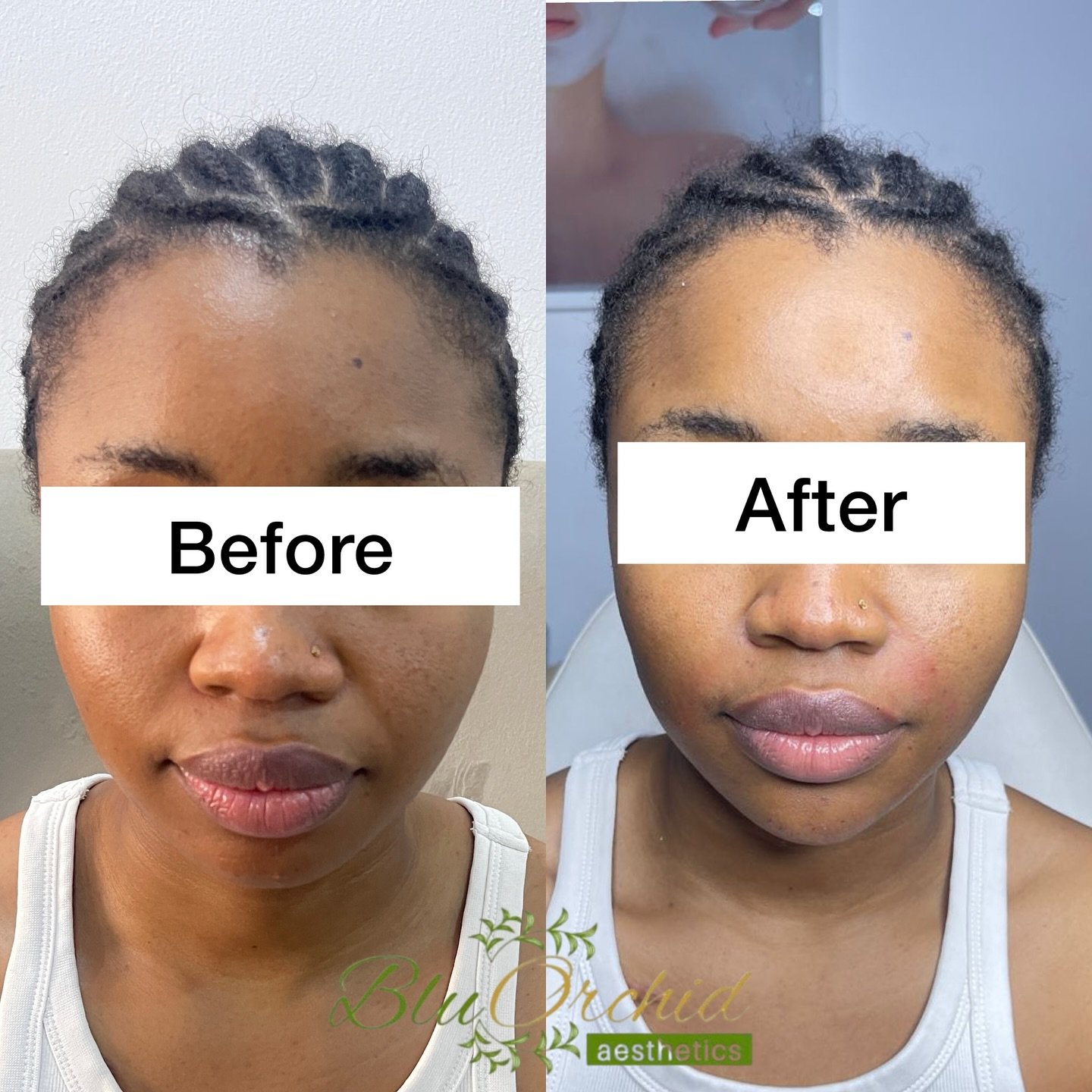
7 reasons your pigmentation may have come back
1. Your skin is still being exposed to the original trigger
This is one of the most common reasons pigmentation returns.
If sunlight contributed to the original pigmentation and your skin remains regularly exposed without adequate protection, new pigment can develop even after successful treatment.
The same principle applies to other triggers.
For example:
- Acne can create new post-inflammatory marks.
- Ingrown hairs can cause repeated inflammation.
- Friction can darken areas such as the inner thighs or underarms.
- Irritating skincare can cause inflammation followed by pigmentation.
- Hormonal changes can contribute to recurrent melasma.
Treating the pigmentation without addressing the trigger is like cleaning a wall while the source of the stain is still active.
2. You stopped your maintenance routine once your skin improved
This is understandable.
When your skin looks better, it is tempting to assume you no longer need the routine that helped get it there.
But pigmentation-prone skin often needs consistency.
Your maintenance routine does not have to be complicated. In many cases, the goal is to keep your skin barrier comfortable, protect it from environmental triggers and continue using appropriate pigment-supporting ingredients.
The routine that gets you to an even complexion may not be exactly the same as the routine that helps you maintain it.
That distinction matters.
3. You underestimated sun exposure
You may not think of yourself as someone who spends a lot of time in the sun.
But pigmentation does not require an entire day at the beach.
Daily exposure can accumulate through driving, walking, commuting, sitting near windows or spending time outdoors.
And in Lagos, there is another consideration: heat.
For pigmentation-prone skin, protecting the skin from environmental triggers is not something to think about only after treatment.
It is part of the treatment strategy itself.
That means sunscreen should not be viewed as the final step after everything else.
It is part of maintaining the result.
4. Your skin became irritated
Sometimes the attempt to prevent pigmentation can actually contribute to more of it.
This often happens when people become impatient.
They see a dark patch returning and respond by adding more:
- exfoliating acids
- scrubs
- brightening products
- peeling products
- multiple active ingredients
- home remedies
The intention is understandable.
But irritated skin can become more pigmented, particularly in skin that is already prone to post-inflammatory hyperpigmentation.
More products do not automatically mean better results.
Sometimes the best thing you can do is simplify.
5. You treated the colour without treating the cause
Pigmentation is a description of what the skin looks like.
It is not a diagnosis.
Two people can both have dark patches but require completely different approaches.
One person may have post-acne pigmentation.
Another may have melasma.
Someone else may have pigmentation caused by repeated irritation, shaving or friction.
And in some cases, what appears to be simple pigmentation may need medical assessment because of an underlying skin condition.
This is why repeating the same treatment every time pigmentation returns may not be the best strategy.
If the pattern has changed, the skin should be reassessed.
6. Hormonal changes may be involved
Melasma is particularly known for being persistent and recurrent.
Hormonal fluctuations can play a role, which is one reason pigmentation may change during pregnancy, after pregnancy or alongside other hormonal changes.
This can be particularly frustrating because you may feel as though you have done everything correctly.
But recurrence does not mean you have failed.
It may simply mean your skin remains responsive to a trigger that is not completely within your control.
The strategy then becomes management rather than chasing permanent elimination.
7. You expected one treatment to be permanent
This is perhaps the most important point.
Pigmentation treatment is not always a one-time event.
Some pigmentation can improve significantly with the right combination of professional treatment and home care.
But if you are naturally prone to pigmentation, maintenance may be necessary.
That does not mean you need continuous aggressive procedures.
It means your skin may benefit from a long-term plan.
What to do when pigmentation comes back
The first instinct may be to book another treatment immediately.
Instead, pause.
Ask what changed.
Go back to the basics
Look at your routine over the past few weeks.
Have you:
- stopped using sunscreen consistently?
- introduced a new skincare product?
- started exfoliating more frequently?
- experienced more acne or breakouts?
- been shaving or waxing more often?
- experienced increased friction or sweating?
- spent more time outdoors?
- recently experienced hormonal changes?
- stopped the maintenance products that were helping?
The answers can reveal more than simply looking at the pigmentation itself.
Brand at BluOrchid Aesthetics, Lagos
Do not attack the pigmentation
If a dark patch returns, aggressive scrubbing or repeatedly peeling the area is unlikely to solve the underlying problem.
Neither is layering several strong brightening products at once.
The aim should be to create conditions in which the skin can settle while addressing the reason the pigmentation is occurring.
A calmer, more consistent approach is often more useful than constantly changing products.
What does maintenance actually look like?
Maintenance is different for every person because the reason for the pigmentation matters.
But a sensible maintenance strategy usually includes four principles.
1. Protect the skin
Consistent sun protection is fundamental for pigmentation-prone skin.
Choose a sunscreen you will actually use consistently and reapply appropriately when you are outdoors.
If pigmentation is a major concern, your doctor may also recommend products or formulations that provide additional protection against the wavelengths relevant to your condition.
2. Keep the skin barrier comfortable
Avoid turning your skincare routine into an endless cycle of exfoliation.
A healthy, comfortable skin barrier is easier to maintain than skin that is constantly irritated.
3. Continue appropriate pigment care
Ingredients used for pigmentation maintenance can include options such as niacinamide, azelaic acid, tranexamic acid, vitamin C and other pigment-targeting ingredients, depending on your skin and the cause of the pigmentation.
The right combination matters more than having the longest ingredient list.
For people using a structured pigment-correction routine, consistency is particularly important.
4. Reassess when the pattern changes
If pigmentation repeatedly returns despite a consistent routine, it may be time to stop treating the symptom yourself and have the skin reassessed.
The treatment that worked previously may not be the right treatment for what is happening now.
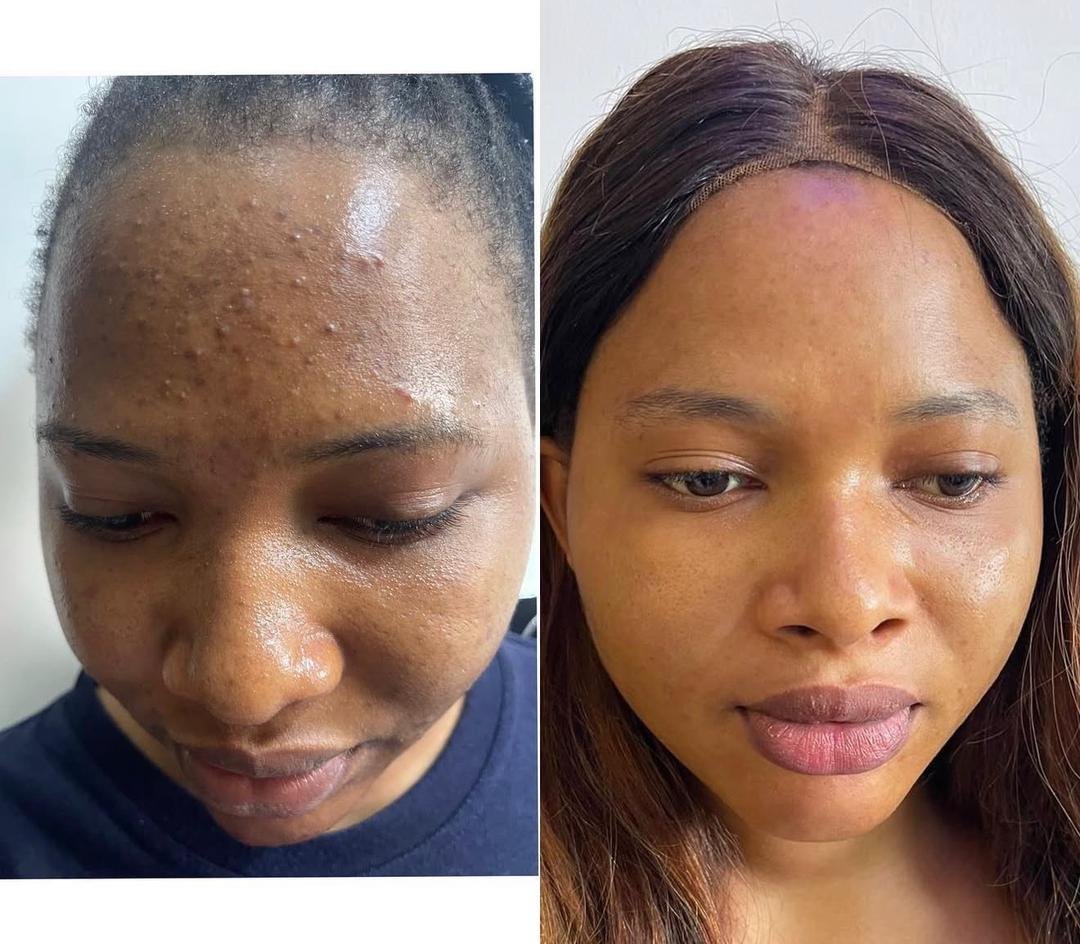
Does pigmentation coming back mean you need another peel or laser?
Not necessarily.
This is where many people go wrong.
A recurrence can make you feel that you need a stronger treatment.
But stronger is not automatically better.
If the pigmentation returned because of ongoing sun exposure, irritation, acne or another trigger, simply repeating an aggressive procedure may not address the reason it came back.
Professional treatments such as chemical peels or other pigmentation-focused treatments can have a role, but the choice should depend on the type of pigmentation, your skin and what is driving the recurrence.
Sometimes the better next step is not a stronger procedure.
It is a better maintenance plan.
What about 8skinpro?
Professional treatment and home care can play different roles.
A structured pigment-correction routine can help support the work done in clinic and make maintenance more consistent.
The important point is not to treat a skincare product as a replacement for diagnosis.
If you are using the 8skinpro Pigment Correction System, it should be used as part of a consistent approach to managing pigmentation rather than as a quick fix whenever a dark patch appears.
The objective is not to keep changing products whenever pigmentation returns.
It is to create a routine you can sustain.
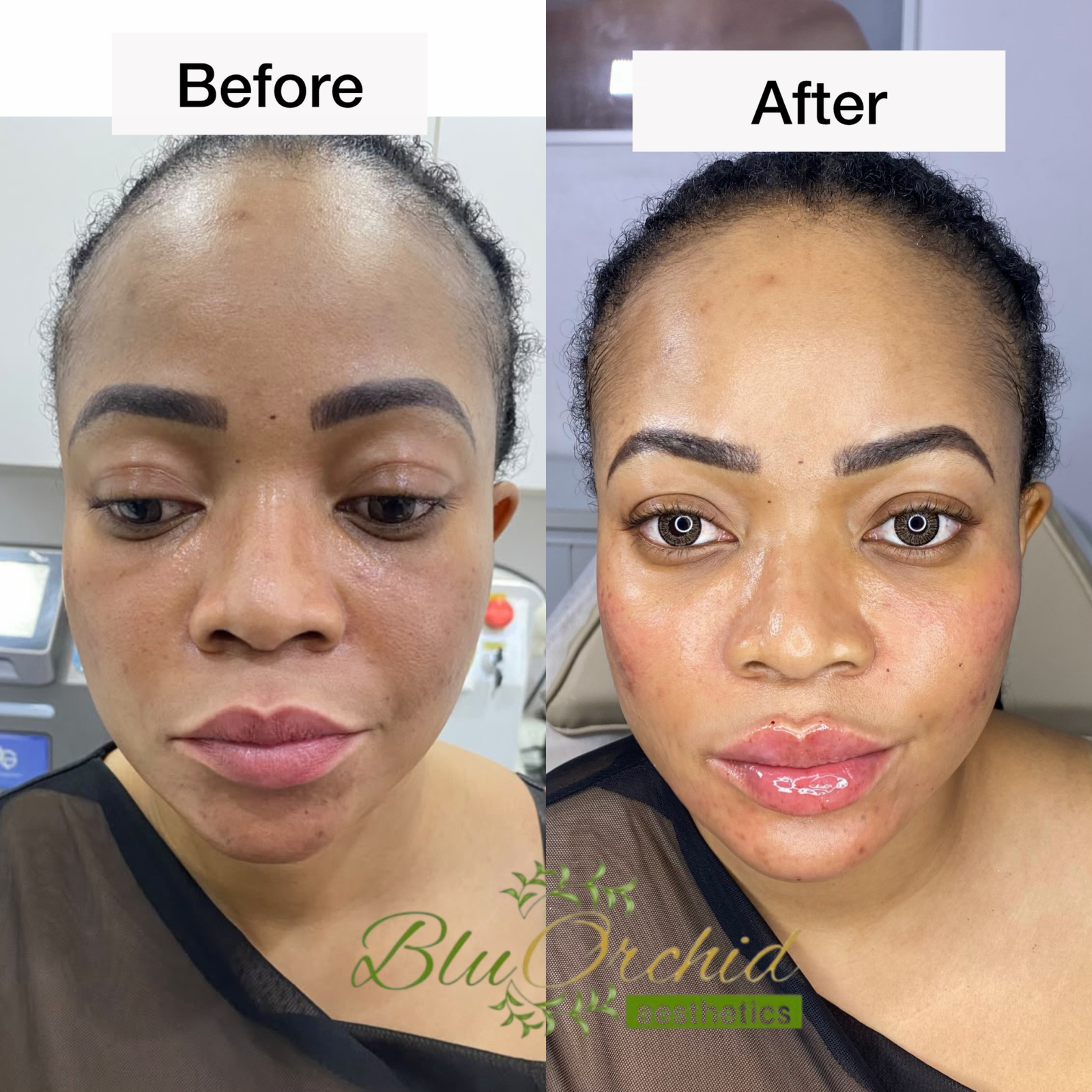
When should you see a doctor about recurring pigmentation?
Consider professional assessment if:
- the pigmentation keeps returning despite consistent care
- the pattern is spreading or changing
- the pigmentation appeared suddenly
- you are unsure whether it is melasma, post-inflammatory pigmentation or something else
- your skin is becoming increasingly irritated
- you have been using strong bleaching or prescription products without supervision
- your pigmentation is affecting your confidence or quality of life
- you are considering a peel, laser or other professional treatment
A proper assessment can help determine whether you are dealing with the same pigmentation as before or a different problem.
The goal is not perfect skin. It is controlled, healthy skin.
Pigmentation can be emotionally exhausting because improvement can feel temporary.
But recurrence does not mean you are back at the beginning.
If your skin improved before, that tells you something important: the pigmentation can respond.
The next step is understanding what is causing it to return.
At BluOrchid Aesthetics, the focus is not simply on making pigmentation disappear as quickly as possible.
It is on understanding your skin, identifying the likely triggers, choosing an appropriate treatment strategy and building the maintenance habits that help protect the result.
Because the goal is not to keep chasing your skin.
It is to understand it well enough to manage it.
Frequently asked questions
Why does my pigmentation keep coming back after treatment?
Pigmentation can recur because the underlying triggers may still be present. Sun exposure, heat, hormones, inflammation, acne, friction and skin irritation can all contribute depending on the type of pigmentation.
Can pigmentation be permanently removed?
Some pigmentation can improve significantly, but people who are prone to pigmentation may continue to develop it when exposed to certain triggers. Maintenance is often an important part of long-term management.
Does sunscreen prevent pigmentation from coming back?
Consistent sun protection can help reduce the environmental stimulation that contributes to pigmentation and is an important part of maintaining results. It should be used consistently rather than only after a treatment.
Should I stop my pigmentation products once my skin clears?
Not necessarily. Your treatment routine may need to transition into a maintenance routine. Stopping everything as soon as the pigmentation improves can make it easier for the problem to return.
Why did my pigmentation get darker after treatment?
Pigmentation can temporarily change after some treatments because the skin has been deliberately stimulated or exfoliated. However, persistent or worsening darkening should be assessed rather than assumed to be a normal response.
Is it better to use stronger products when pigmentation returns?
Not automatically. Stronger products can irritate the skin and, in some people, contribute to further pigmentation. The cause and condition of the skin should be considered first.
Can melasma come back after treatment?
Yes. Melasma is well known for recurring because it can be influenced by factors such as sunlight, heat and hormonal changes. Long-term management and maintenance are therefore important.
What should I do if my pigmentation keeps returning?
Review your triggers and routine first, then consider professional assessment if the problem persists. A doctor can determine whether the pigmentation is the same condition as before and whether your treatment strategy needs to change.
Your skin may not need another aggressive treatment. It may need a better plan.
If your pigmentation has returned after treatment, the next step should not necessarily be another procedure.
It may be time to understand why.
At BluOrchid Aesthetics, pigmentation concerns are assessed individually so your treatment and maintenance plan can be matched to your skin rather than chosen simply because it worked for someone else.
Your consultation is ₦50,000, and the fee is credited toward your selected treatment if you decide to proceed.
A consultation at BluOrchid begins with exactly this assessment.
One hour with our doctors. An honest assessment. A plan built around you. ₦50,000, credited in full toward your first treatment.
Book your consultation Doctor-led assessment at Lekki Phase 1, Lagos.