Meso Botox vs Botox: What Is the Difference?
Meso Botox vs Botox: understand how the treatments differ, what each is designed to address, and which approach may suit your skin or facial goals.

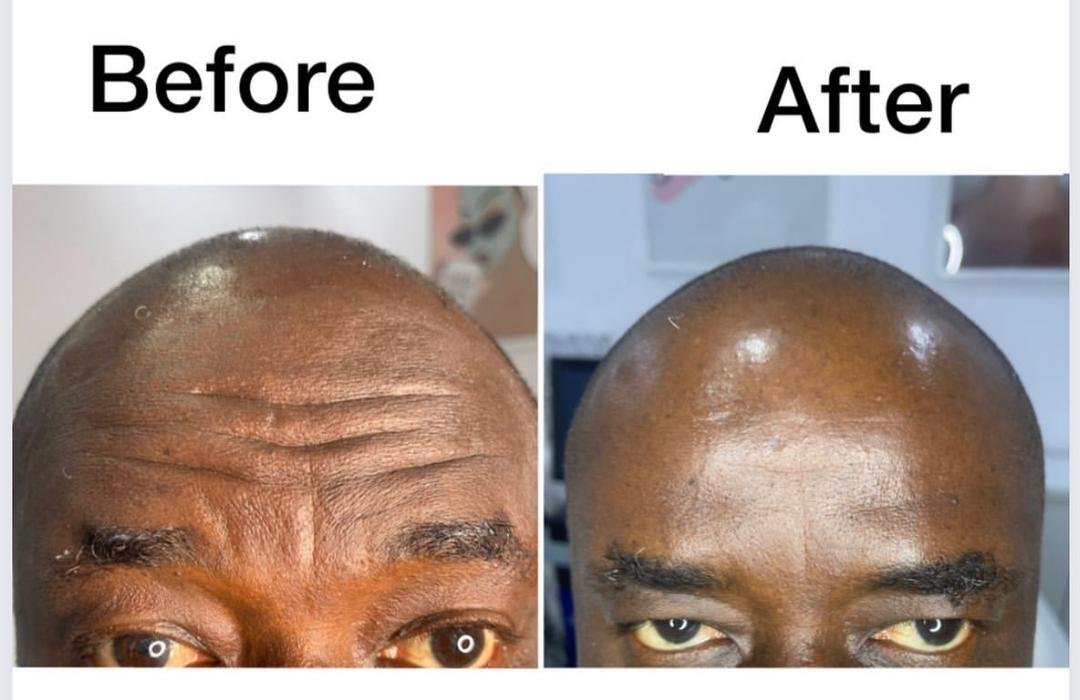
“Botox” has become a familiar word in aesthetic medicine.
But you may have come across another treatment called Meso Botox and wondered whether it is simply a lighter version of the same procedure.
It is not quite that simple.
Both treatments use botulinum toxin, but they are generally used with different injection approaches and for different aesthetic objectives.
Traditional Botox is commonly associated with treating specific muscles to reduce their activity and soften dynamic wrinkles.
Meso Botox, sometimes called micro-Botox or superficial botulinum toxin treatment, generally involves placing diluted botulinum toxin more superficially and across multiple small injection points rather than targeting a single muscle in the same way.
The result is a different treatment philosophy.
One is primarily about modulating muscle movement.
The other is often about refining the appearance of the skin and superficial facial features while using smaller, more distributed doses.
But the terminology is not completely standardised across aesthetic practices.
That makes understanding the technique more important than simply choosing the name.
What is Botox?
Botulinum toxin is a prescription medicine that temporarily reduces muscle activity by interfering with nerve signalling to the treated muscle.
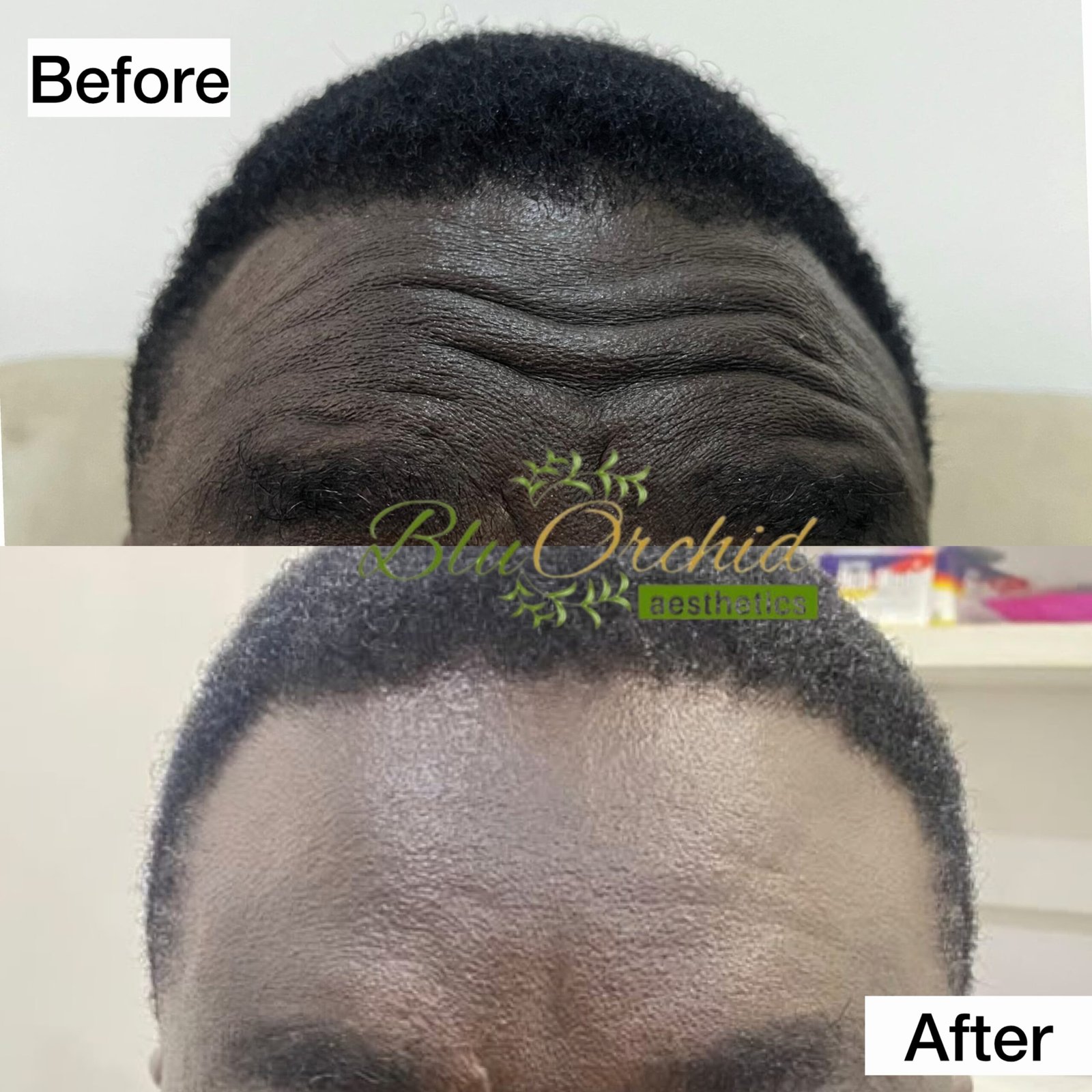
In aesthetic medicine, it is commonly used to soften dynamic wrinkles, the lines that become more visible when facial muscles contract.
Common treatment areas include:
- Forehead lines
- Frown lines between the eyebrows
- Crow’s feet
- Certain lower-face muscle patterns
- Masseter muscles
- Other areas where excessive muscle activity contributes to the concern
The treatment is designed around the anatomy and movement of the target muscle.
The objective is generally not to paralyse the entire face.
It is to reduce selected muscle activity enough to achieve the intended result while preserving an appropriate range of natural movement.
What is Meso Botox?
Meso Botox is a term used for a more superficial and distributed botulinum toxin technique.
Instead of placing the toxin primarily into deeper target muscles, small amounts may be injected more superficially into the skin or very superficial tissues across multiple points.
It is sometimes used to address concerns such as:
- Fine superficial lines
- Skin texture
- The appearance of enlarged pores
- Excessive facial oiliness
- Certain areas of superficial sweating
- A smoother-looking skin surface
The exact technique varies.
There is no single universally standardised Meso Botox protocol, including one fixed dilution, injection depth or number of injection points.
This is why asking how the clinic defines and performs Meso Botox is more useful than relying on the name alone.
Meso Botox vs Botox: the simplest difference
A useful way to think about the distinction is:
| Item | Traditional Botox | Meso Botox |
|---|---|---|
| Primary approach | Targets specific muscles | Uses multiple superficial injection points |
| Typical depth | Into or around the target muscle | More superficial |
| Main objective | Reduce targeted muscle activity | Refine superficial skin/facial appearance |
| Typical concerns | Dynamic wrinkles and muscle-related concerns | Fine lines, texture, pores, oiliness and selected superficial concerns |
| Treatment pattern | More anatomically targeted | More distributed |
| Muscle effect | More deliberate | Usually more limited and superficial |
| Result | Reduced movement in selected areas | Smoother, more refined superficial appearance |
The distinction is not absolute, however.
Technique, dose, dilution, anatomy and the clinician’s treatment plan all influence the result.
Does Meso Botox use the same Botox?
It can use botulinum toxin, but the specific product and formulation used should be confirmed with the treating clinic.
“Botox” is also commonly used in everyday conversation as a generic term for botulinum toxin treatments, even though BOTOX is a specific branded botulinum toxin product.
Different botulinum toxin products exist, and they are not necessarily interchangeable on a unit-for-unit basis.
For a patient, the important questions are therefore:
- What product is being used?
- Is it approved or appropriately authorised for the intended use?
- How is it being diluted?
- Where will it be injected?
- What is the intended treatment effect?
Those questions are more informative than simply asking whether the treatment is called “Botox” or “Meso Botox.”
How does traditional Botox work?
Botulinum toxin acts at the neuromuscular junction.
It reduces the release of acetylcholine from nerve endings, which temporarily reduces the ability of the treated muscle to contract.
That is why traditional Botox can soften expression lines.
For example, when a muscle repeatedly contracts and folds the overlying skin, reducing that muscle activity can make the resulting dynamic line less prominent.
The effect is temporary because nerve-muscle communication gradually recovers.
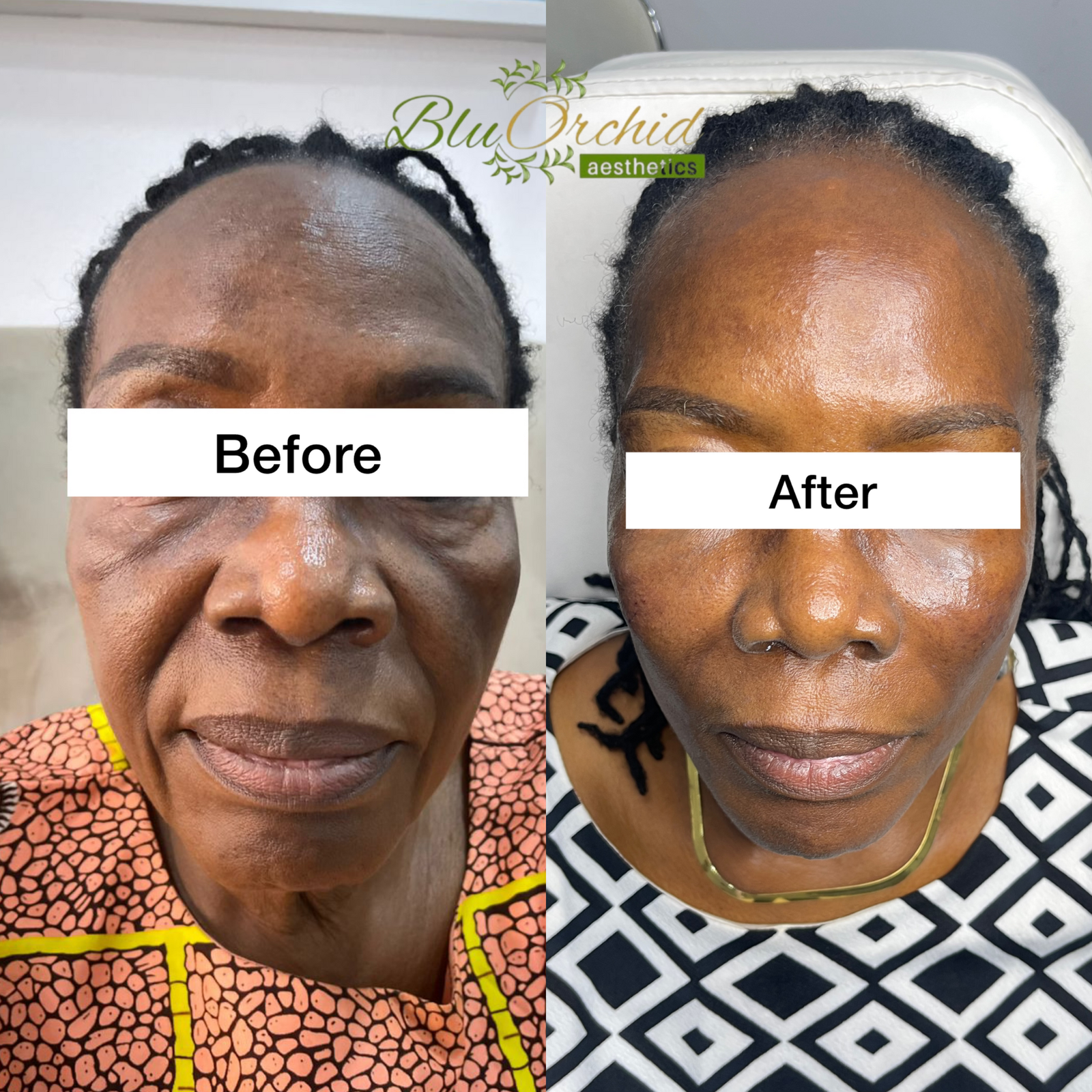
Botox at BluOrchid Aesthetics, Lagos
How does Meso Botox work?
Meso Botox uses the same general pharmacological principle, botulinum toxin reduces cholinergic signalling, but applies it through a different injection strategy.
Because the injections are more superficial and distributed, the intended effect may extend beyond simply reducing the contraction of one large muscle.
Depending on the technique and area treated, superficial botulinum toxin has been studied for effects involving sweat glands, sebaceous activity and superficial facial musculature.
However, the evidence base is not equally strong for every cosmetic claim associated with Meso Botox.
A 2024 systematic review of microbotulinum toxin found potential benefits across several aesthetic indications, but also highlighted differences between studies and the need for better standardisation and larger trials. (pubmed.ncbi.nlm.nih.gov)
That is an important distinction between a treatment being used in aesthetic practice and having strong evidence for every claim made about it.
Does Meso Botox make pores smaller?
It may make pores appear less prominent in some patients.
Research into intradermal or microbotulinum toxin has reported improvements in the appearance of enlarged pores in some studies.
The proposed mechanisms include effects on superficial muscle activity and sebaceous gland activity.
But “smaller pores” should not be interpreted literally as permanently changing the physical size of every pore.
The visible appearance of pores can change with oil production, skin texture, hydration and the surrounding tissue.
Can Meso Botox help oily skin?
There is some evidence suggesting that intradermal botulinum toxin may reduce sebum production.
A systematic review and meta-analysis of intradermal botulinum toxin reported reductions in sebum secretion across the included studies, although treatment protocols varied. (pubmed.ncbi.nlm.nih.gov)
This may make Meso Botox an option worth discussing for selected patients whose concerns include excessive facial oiliness.
It should not, however, be presented as a permanent solution for oily skin.
Does Meso Botox treat wrinkles?
It can be used for certain fine lines, particularly superficial lines.
But it is important to distinguish superficial lines from deeper dynamic wrinkles.
If a prominent expression line is primarily caused by repeated contraction of a deeper muscle, traditional muscle-targeted Botox may be more appropriate.
If the concern is fine superficial creasing or overall skin refinement, a superficial technique may be considered.
The treatment should therefore be selected according to why the line is there, not simply where it appears.
Does Meso Botox freeze the face?
The intention is generally not to create the same degree of muscle reduction associated with conventional muscle-targeted Botox.
Because the treatment is more superficial and uses small amounts distributed across multiple points, the effect can be more subtle.
However, the exact result depends on the technique, dose, injection pattern and individual anatomy.
“Natural” does not mean “no movement.”
It means the treatment has been planned so that the degree of movement reduction is appropriate for the desired result.
Which lasts longer: Meso Botox or Botox?
There is no simple universal answer.
Traditional Botox effects commonly last for several months, although duration varies between patients and treatment areas.
The duration of superficial botulinum toxin treatments can also vary considerably depending on the technique and indication.
Because Meso Botox protocols are less standardised, it is particularly important not to promise a fixed duration.
Your clinician should explain what is realistically expected for the specific treatment being proposed.
Does Meso Botox hurt?
Both treatments involve injections, so some temporary discomfort is possible.
Meso Botox involves multiple small injections, which means you may notice more individual injection points even though the amount delivered at each point can be small.
Your clinician can explain what to expect and what measures are available to make the appointment more comfortable.
Can you have Meso Botox and regular Botox together?
Sometimes.
The two approaches can address different concerns.
For example, someone may have conventional Botox directed at a specific muscle responsible for dynamic wrinkles while using a superficial technique in another area for skin-focused concerns.
But combining treatments does not automatically produce a better result.
The treatment plan should be based on what the face actually needs.
Which is better: Meso Botox or Botox?
Neither is universally better.
The better question is:
Which technique is better suited to your specific concern?
Traditional Botox may be more appropriate when the primary problem is:
- Dynamic forehead lines
- Frown lines
- Crow’s feet
- A muscle-related facial concern
- Masseter muscle prominence
- Other concerns driven primarily by muscle contraction
Meso Botox may be considered when the concern is more focused on:
- Fine superficial lines
- Skin texture
- Visible pores
- Facial oiliness
- Certain superficial sweating concerns
- Overall skin refinement
There can be overlap.
And in some cases, neither is the right treatment.
What about Meso Botox for facial profiling?
This is where treatment planning becomes particularly important.
Facial profiling is concerned with how the features relate to one another.
A superficial botulinum toxin treatment may improve skin appearance without changing the underlying facial architecture in the way dermal filler or muscle-targeted Botox might.
So if your concern is a recessed chin, weak jawline, facial asymmetry or loss of facial volume, Meso Botox may not address the underlying issue.
The treatment needs to match the problem.
A smoother skin surface cannot substitute for restoring lost structural volume.
And adding volume cannot substitute for treating excessive muscle activity.
What are the risks of Meso Botox and Botox?
Botulinum toxin injections can cause temporary effects such as:
- Bruising
- Redness
- Tenderness
- Swelling
- Headache
Depending on where and how the toxin is injected, unintended muscle weakness can also occur.
For facial treatments, this can sometimes produce temporary changes in eyebrow position, eyelid position or facial expression.
Rarely, botulinum toxin effects can spread beyond the injection area and cause more significant symptoms. The FDA-approved prescribing information for BOTOX includes warnings about distant spread of toxin effect, although such serious effects are uncommon when the product is appropriately used. (accessdata.fda.gov)
The safety profile therefore depends on appropriate patient selection, product handling, dose and injection technique.
Why the injector matters
Botulinum toxin is not simply a product that gets placed into a wrinkle.
The clinician needs to understand:
- Facial anatomy
- Muscle function
- Injection depth
- Appropriate dosing
- Facial proportions
- Existing asymmetry
- The patient’s desired degree of movement
This becomes particularly important with Meso Botox because the technique involves multiple superficial injection points and is less standardised than conventional muscle-targeted treatment.
A consultation should therefore involve more than asking how many units you will receive.
Questions to ask before booking Meso Botox
If you are considering Meso Botox, ask:
What exactly do you mean by Meso Botox?
Different clinics may use the term differently.
What product are you using?
Ask for the actual botulinum toxin product rather than relying on a generic name.
Where will it be injected?
The treatment area and injection depth matter.
What are you trying to improve?
Ask whether the objective is wrinkles, pores, oiliness, sweating, texture or another concern.
How is this different from conventional Botox for my concern?
The answer should be specific to your face.
What result should I realistically expect?
Be cautious of claims that imply permanent pore reduction, permanent tightening or dramatic transformation.
Frequently asked questions
Is Meso Botox the same as Botox?
Both generally involve botulinum toxin, but Meso Botox usually refers to a more superficial and distributed injection technique, while conventional Botox is commonly directed into specific muscles to reduce their activity.
Is Meso Botox better than Botox?
Neither is universally better. The appropriate option depends on whether the primary concern involves muscle activity, superficial skin changes, or another facial issue.
Does Meso Botox freeze your face?
It is generally intended to have a more superficial and limited effect than conventional muscle-targeted Botox, but the degree of movement reduction depends on the technique and dose.
How long does Meso Botox last?
Duration varies depending on the product, dose, injection technique, treatment area and individual response. There is no single duration that applies to every Meso Botox treatment.
Can Meso Botox reduce pores?
It may make pores appear less prominent in some patients. Research has reported improvements in pore appearance following intradermal botulinum toxin, but results vary and pores are not permanently eliminated.
Can Meso Botox help oily skin?
It may reduce facial sebum production in some patients. Evidence exists for intradermal botulinum toxin, but treatment protocols vary and it should not be presented as a permanent cure for oily skin.
Can Meso Botox replace regular Botox?
Not necessarily. The treatments are generally used for different objectives. Conventional Botox may be more appropriate when a specific muscle is responsible for a concern.
Can I have Meso Botox and Botox together?
In selected cases, yes. A clinician may use different injection approaches for different concerns, but combination treatment should be based on an individual assessment.
Is Meso Botox safe?
Botulinum toxin treatments can be performed safely when appropriately selected and administered, but they are not risk-free. Temporary bruising, tenderness and unintended muscle weakness can occur, and rare more serious complications are possible.
The name matters less than the treatment plan
Meso Botox and conventional Botox are not simply two strengths of the same treatment.
They represent different approaches to using botulinum toxin.
One is generally designed around targeted muscle activity.
The other uses a more superficial, distributed approach for selected skin and superficial facial concerns.
But the most important question is not which treatment is more popular.
It is:
What are you actually trying to change?
If your concern is dynamic wrinkles, muscle activity, facial asymmetry or jaw muscle prominence, conventional Botox may be considered.
If your concern is fine superficial lines, visible pores, facial oiliness or skin refinement, a superficial technique may be worth discussing.
And if your concern is facial volume, projection or overall facial proportions, another treatment may be more appropriate.
At BluOrchid Aesthetics, the starting point is an assessment of the concern rather than choosing a treatment by name.
If you are unsure whether Meso Botox or conventional Botox is right for you, you can Book a Consultation to discuss your skin, facial movement and aesthetic goals.
The consultation fee is ₦50,000 and is credited towards your selected treatment if you decide to proceed.
A consultation at BluOrchid begins with exactly this assessment.
One hour with our doctors. An honest assessment. A plan built around you. ₦50,000, credited in full toward your first treatment.
Book your consultation Doctor-led assessment at Lekki Phase 1, Lagos.