Preventative Botox in Your 20s: Is It Worth It?
Is preventative Botox in your 20s worth it? Learn when Botox may make sense, when it may not, and what to consider before treatment.

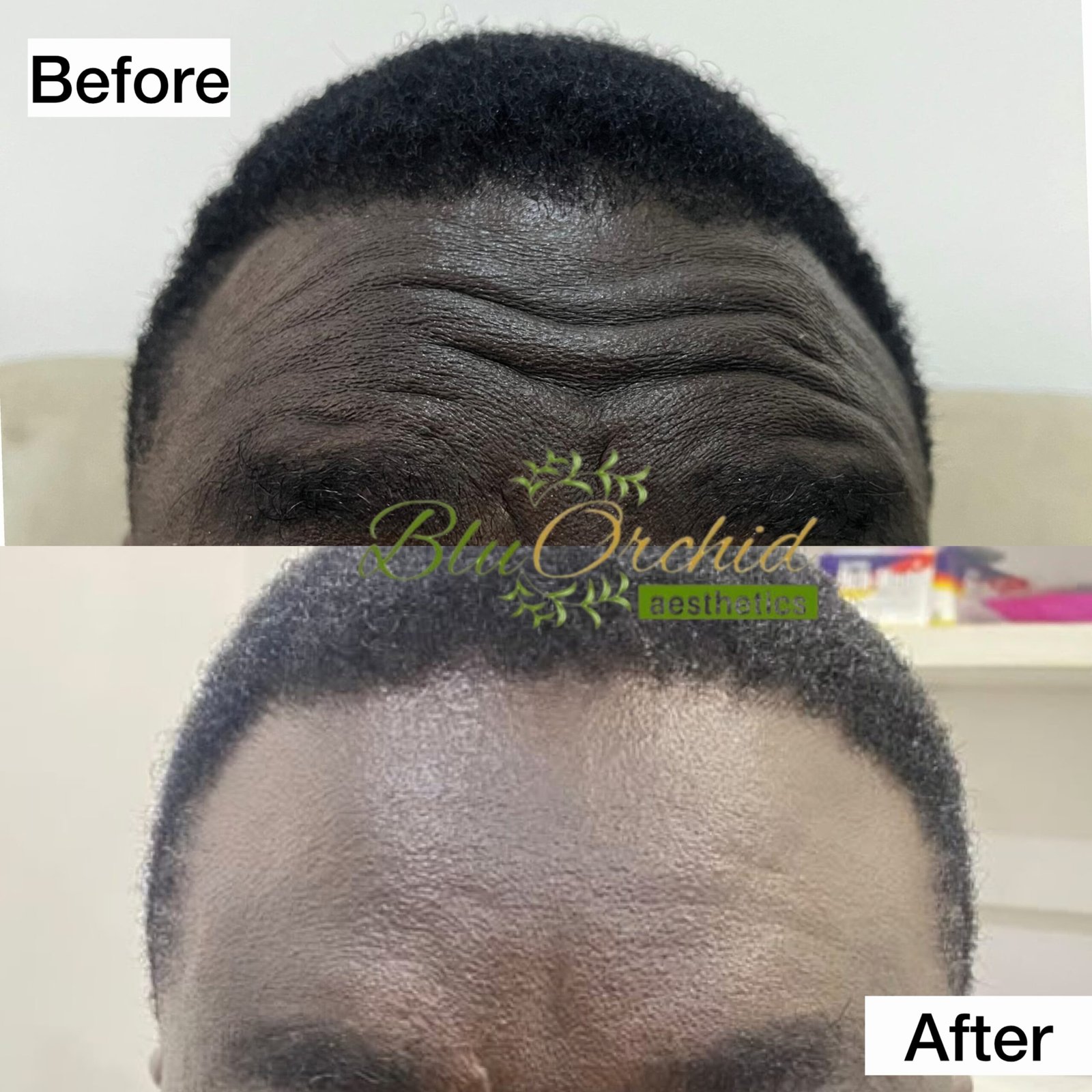
If you are in your 20s, you may have noticed a new category of aesthetic advice appearing everywhere online:
Start Botox before you need it.
The idea sounds simple. If repeated facial movement contributes to expression lines, perhaps relaxing those muscles before lines become visible could stop them from developing.
It is an appealing theory.
But “preventative Botox” has also become a powerful marketing phrase, and it can make a completely optional treatment sound like something you are supposed to start doing in your 20s.
You are not.
The more useful question is not whether everyone in their 20s should have Botox.
It is:
Does Botox make sense for your particular face, movement patterns, concerns and goals right now?
Sometimes the answer may be yes.
Very often, it may be no.
What does “preventative Botox” actually mean?
Preventative Botox is not a formal medical diagnosis.
It is a term commonly used to describe using botulinum toxin injections at a relatively young age, usually before pronounced static wrinkles have developed, with the intention of reducing the appearance or progression of expression lines over time.
Botulinum toxin works by temporarily reducing muscle activity.
When the treated muscles contract less strongly, the skin above them folds less during facial expression. This is why botulinum toxin can soften certain dynamic facial lines.
The FDA-approved cosmetic use of BOTOX includes temporary improvement in the appearance of moderate to severe frown lines, crow’s feet and forehead lines in adults.
That is different from saying that Botox has been proven to “prevent ageing.”
It has not.
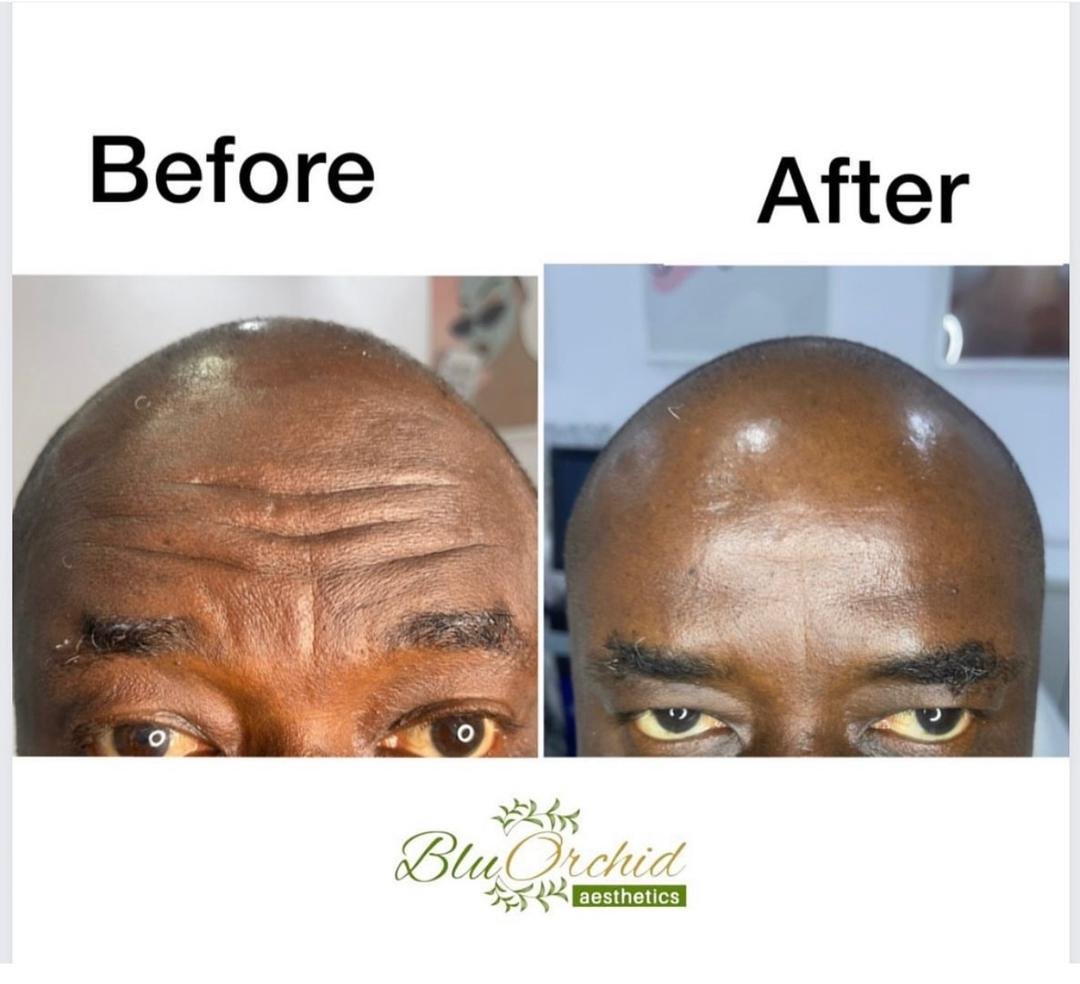
So, does Botox actually prevent wrinkles?
This is where the conversation needs some honesty.
There is a reasonable biological explanation for why reducing repeated muscle movement might influence the development of certain expression lines over time.
But that does not mean we can promise a person in their 20s that regular Botox will prevent wrinkles later in life.
Ageing is influenced by much more than facial muscle movement.
Your genetics, sun exposure, skin quality, lifestyle, facial anatomy and the natural changes that occur in your skin and underlying tissues all play a role.
And the evidence supporting Botox specifically as a long-term preventive treatment in young adults is not the same as the evidence supporting its established cosmetic use for temporarily improving existing dynamic facial lines.
So if someone tells you:
“You need Botox now or you will definitely have wrinkles later,”
be sceptical.
That is not a medically responsible way to frame the decision.
When might Botox in your 20s make sense?
There is no magic age at which everyone should start.
Instead, certain characteristics may make an individual consultation more reasonable.
You already have noticeable expression lines
Some people in their 20s naturally develop visible lines earlier than others.
You may notice forehead lines, frown lines or crow’s feet becoming visible during expression, or beginning to remain noticeable when your face is relaxed.
In that situation, Botox may be considered as a treatment for the lines themselves rather than as a purely preventive procedure.
You have very strong or repetitive facial movement
Some people naturally have highly expressive foreheads, strong frown muscles or pronounced movement around the eyes.
That does not mean you need Botox.
But it may be relevant when assessing whether a treatment could be appropriate.
The decision should come from an assessment of your facial movement rather than from your age alone.
You have a specific aesthetic concern
Perhaps you are bothered by a particular expression line or by the way your face changes when you frown.
That is a different conversation from being told that you need a full “anti-ageing” Botox routine at 25.
Good aesthetic medicine should respond to a patient’s actual concern.
It should not manufacture one.
When might preventative Botox not be worth it?
For many people in their 20s, the answer may simply be:
You do not need it yet.
If you have little or no visible expression lines and you are considering Botox mainly because social media has made you anxious about ageing, there may be very little reason to rush into injections.
Your face is allowed to move.
Your forehead is allowed to crease when you raise your eyebrows.
Your eyes are allowed to express emotion.
Looking young does not require having a completely motionless face.
And if you are not bothered by something, there may be no reason to treat it.
Masseter Botox at BluOrchid Aesthetics, Lagos
Botox is not a substitute for good skin care
This is one of the most important distinctions.
Botox primarily works on muscle activity.
It does not replace the fundamentals of maintaining healthy skin.
If you are in your 20s and your goal is long-term skin health, the basics often deserve considerably more attention than chasing your first injection.
That includes:
- Consistent sun protection
- Appropriate skincare for your skin type
- Managing acne or pigmentation when necessary
- Avoiding unnecessary skin irritation
- Maintaining healthy lifestyle habits
- Getting professional advice when you have a persistent skin concern
You do not need an injectable to have a serious approach to ageing well.
What are the downsides of starting too early?
Botox is a medical treatment, even when performed for cosmetic reasons.
It is not risk-free.
Possible adverse effects can include temporary pain, swelling or bruising at the injection site. Botulinum toxin treatments can also cause effects such as facial weakness, eyelid or brow drooping, and, rarely, more serious problems such as difficulty swallowing or breathing.
There is also the practical issue of committing yourself to a treatment that is temporary.
If you like the effect, you may choose to repeat it.
That means the decision is not simply:
“Do I want Botox once?”
It can become:
“Do I want this to become part of my aesthetic maintenance?”
That is worth thinking about in your 20s.
Will starting Botox young make you dependent on it?
Botox does not make your face biologically dependent on the treatment.
If you stop, the effect gradually wears off and muscle activity returns.
Your face does not suddenly become “worse” because you stopped Botox.
However, someone who has become accustomed to a smoother appearance may perceive their natural facial movement or lines differently after the treatment wears off.
That is one reason expectations matter.
Botox should be a choice, not something you become frightened to stop.
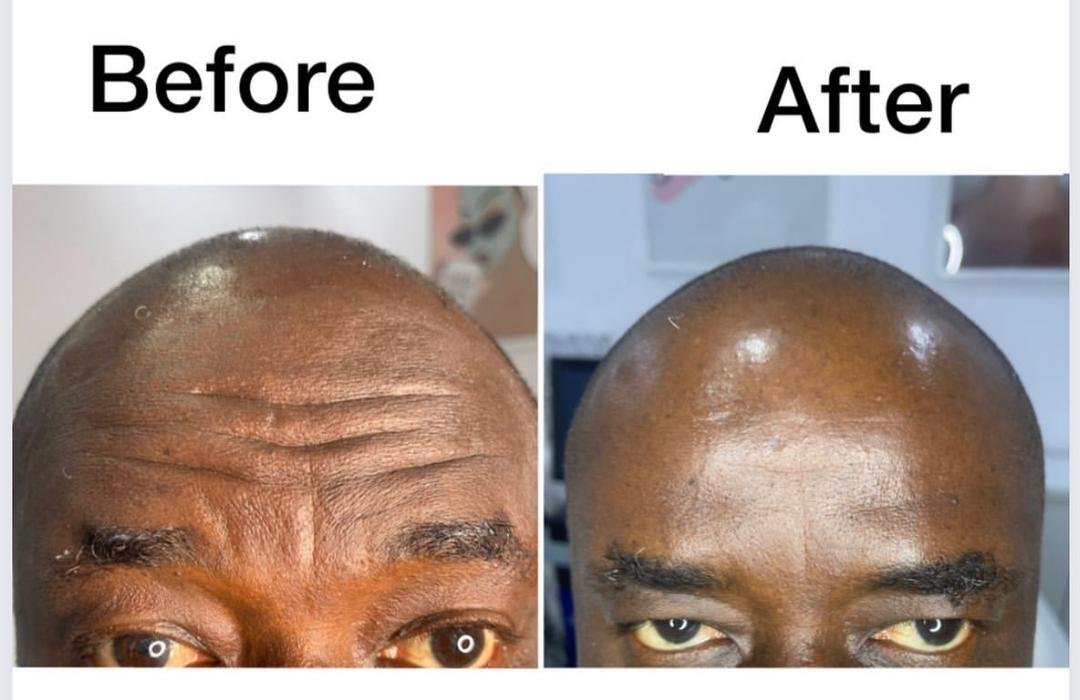
Can Botox change your face?
Potentially, yes, particularly when treatment is repeated or when larger areas are treated.
Botulinum toxin changes muscle activity.
That means an injector needs to think beyond the individual wrinkle.
A forehead does not exist independently from the eyebrows.
The muscles around the eyes interact with the appearance of the upper face.
The muscles between the eyebrows affect how someone appears when they frown.
Reducing movement in one area can influence the overall expression of the face.
This is why “just put a little Botox here” is not always as simple as it sounds.
The goal should not be to eliminate every movement.
It should be to understand what you are trying to change and whether changing that movement will improve the balance of the face.
The danger of chasing a frozen look
One of the biggest misconceptions about Botox is that a good result should make the face completely still.
It should not.
Natural-looking aesthetic treatment is usually about proportion, restraint and appropriate movement.
The question is not:
“How little can my forehead move?”
It is:
“Can the treatment address what bothers me while allowing my face to remain recognisably mine?”
That distinction becomes particularly important when someone is starting aesthetic treatment at a young age.
You have decades of facial expression ahead of you.
There is no prize for starting the earliest.
What about the argument that “prevention is better than cure”?
It sounds convincing, but it oversimplifies facial ageing.
Wrinkles are not a disease that needs to be prevented at all costs.
And Botox does not prevent every form of facial ageing.
It primarily affects muscle activity.
It does not stop changes in skin elasticity, pigmentation, facial fat compartments, bone structure or other aspects of ageing.
That is why a responsible consultation should consider the whole face rather than automatically recommending injections because someone has reached a certain birthday.
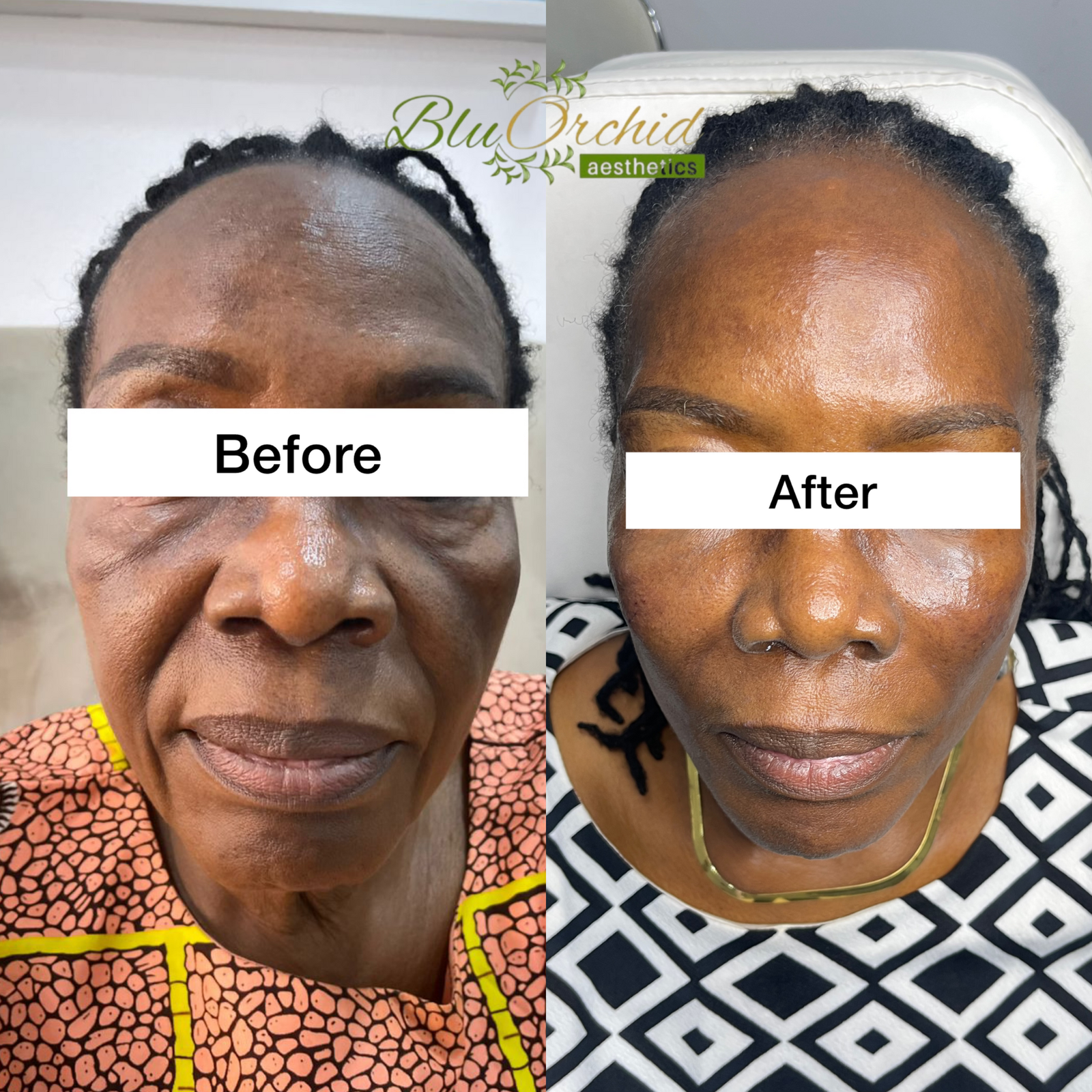
What should you do instead in your 20s?
If your goal is to age well, think beyond injectables.
Protect your skin from UV exposure
Sun exposure is an important contributor to visible skin ageing.
Daily sun protection is a much more fundamental long-term habit than starting Botox simply because you turned 25.
Pay attention to your skin
If you have acne, pigmentation, sensitivity or another persistent concern, address it appropriately rather than assuming Botox is the answer.
Understand your facial movement
Pay attention to what actually bothers you.
Do you dislike your forehead when you raise your eyebrows?
Are you concerned about frown lines?
Are you worried about lines around your eyes?
Or are you simply afraid of getting older?
Those are very different reasons to seek treatment.
Have an assessment before deciding
A consultation can help distinguish between something that would benefit from treatment and something that is better left alone.
That is especially useful when you are young and the concern is more about future ageing than an existing problem.
Preventative Botox: the honest yes and no
So, is preventative Botox worth it in your 20s?
Yes, potentially.
If you have a specific concern, visible dynamic lines, strong muscle activity or another reason that an appropriately trained clinician believes could reasonably benefit from treatment, Botox may be an option worth discussing.
No, not automatically.
You do not need Botox simply because you are in your 20s.
You do not need it because your friends have started.
You do not need it because an influencer says that “prevention is everything.”
And you certainly do not need it because someone has convinced you that every line you see while making an expression is a problem.
The best aesthetic treatment is not necessarily the treatment you can start earliest.
It is the treatment that makes sense for you.
What should you ask before getting Botox in your 20s?
Before booking treatment, ask yourself:
What exactly am I trying to change?
If you cannot answer that, slow down.
Then ask:
- Is the concern visible when my face is relaxed or only when I make an expression?
- Am I treating an existing concern or anxiety about future ageing?
- What happens if I do nothing?
- What are the benefits and risks for someone my age?
- Who will perform the treatment?
- What training and experience do they have with facial injectables?
- What product will be used?
- How often would treatment realistically be considered?
- What happens if I dislike the result or experience a complication?
A good consultation should make you feel more informed, not pressured into treatment.
The bottom line
Your 20s are not a deadline for starting Botox.
For some people, early treatment may be appropriate.
For others, it may be unnecessary.
The difference should come from your facial anatomy, muscle activity, skin, concerns and goals, not a marketing calendar.
If you are considering Botox because you have noticed a specific change in your face, start with an assessment rather than assuming you need preventative treatment.
At BluOrchid Aesthetics, facial enhancement begins with understanding the individual face rather than applying the same treatment plan to everyone. You can Book a Consultation to discuss your concerns, or learn more about Facial Profiling if you want a more comprehensive assessment of facial balance and treatment options.
Frequently asked questions
What age should you start Botox?
There is no universal age at which everyone should start Botox. The appropriate time, if any, depends on the individual’s concerns, facial movement, anatomy and treatment goals.
Is preventative Botox actually necessary?
No. Preventative Botox is not necessary simply because someone is in their 20s. Some people may choose it for specific aesthetic concerns, while others may have no reason to begin treatment.
Does Botox prevent wrinkles?
Botulinum toxin can temporarily reduce muscle activity and improve the appearance of certain facial lines. That is different from proving that it prevents all future wrinkles or facial ageing.
Is Botox safe in your 20s?
Botulinum toxin is an injectable medical treatment with potential adverse effects. Cosmetic BOTOX is indicated for adults, but suitability still depends on the individual’s medical history, anatomy, treatment goals and the clinician’s assessment.
Will I look frozen if I get Botox in my 20s?
Not necessarily. The result depends on factors including the areas treated, amount used, individual anatomy and treatment technique. A conservative, appropriately planned treatment does not have to eliminate natural facial expression.
What happens if I stop Botox?
The effects of Botox are temporary. When treatment wears off, muscle activity gradually returns and your face returns toward its untreated appearance.
Is Botox better than skincare for preventing ageing?
They address different things. Botox affects muscle activity, while skincare can address aspects of skin health and appearance. Neither should be treated as a complete solution for every aspect of facial ageing.
Should I get Botox if I only have lines when I smile or frown?
Not necessarily. Expression lines are a normal part of facial movement. Whether treatment is appropriate depends on how prominent the lines are, how they affect you and what you want to achieve.
A consultation at BluOrchid begins with exactly this assessment.
One hour with our doctors. An honest assessment. A plan built around you. ₦50,000, credited in full toward your first treatment.
Book your consultation Doctor-led assessment at Lekki Phase 1, Lagos.