Skinny Drips: Does IV Weight Loss Actually Work?
Do skinny drips actually help you lose weight? Learn what IV weight-loss drips contain, what they can and cannot do, and safer medical options.

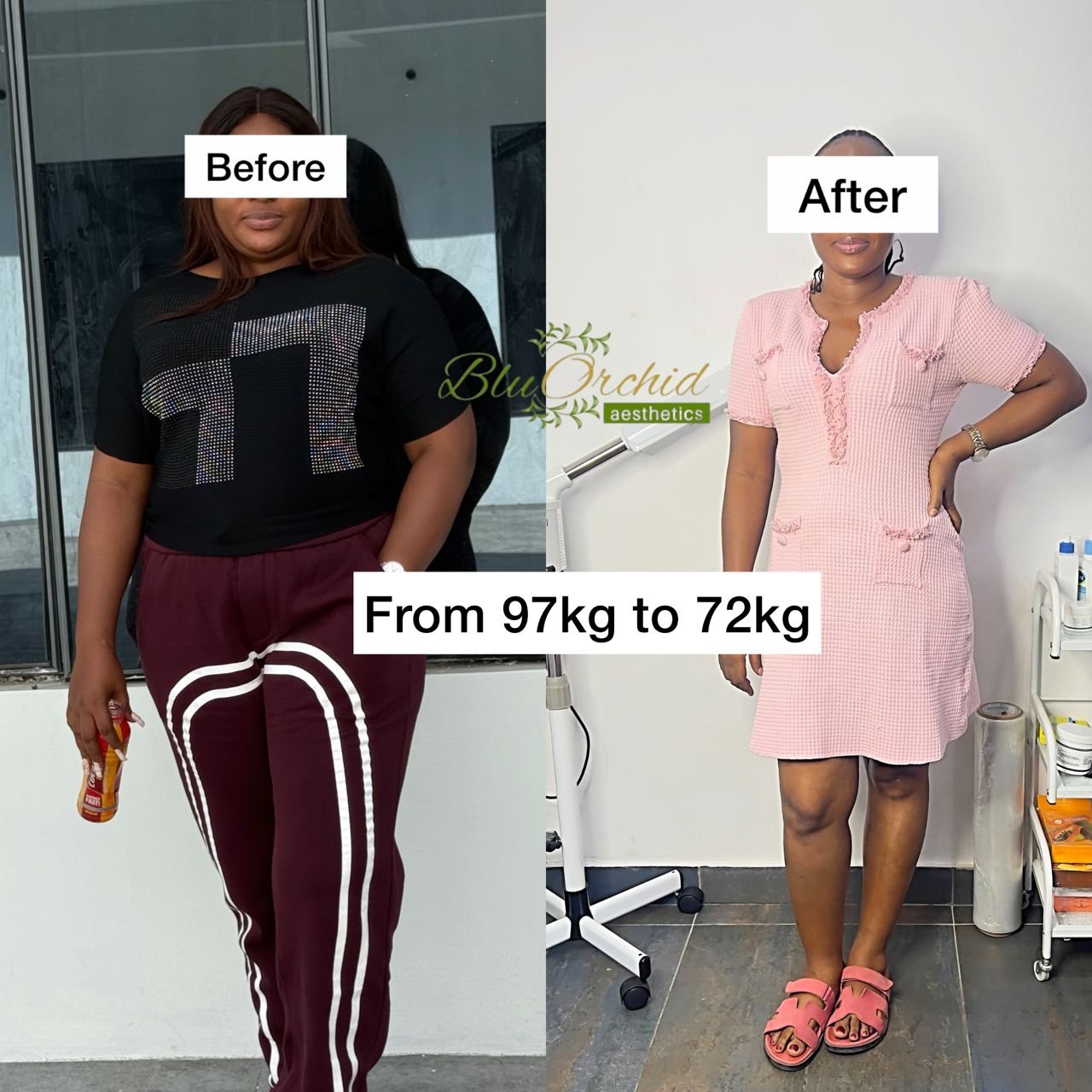
You may have seen them advertised as skinny drips, slimming drips, fat-burning IVs or weight-loss IV therapy.
The promise is usually appealing:
A drip goes into your vein, delivers a combination of vitamins, minerals or other ingredients, and somehow helps your body burn fat faster.
For someone trying to lose weight, it sounds simple.
But there is an important question to ask before booking one:
Does an IV drip actually cause meaningful weight loss?
The short answer is:
An IV drip is not automatically a weight-loss treatment simply because it contains ingredients marketed for “fat burning” or “metabolism.”
Some IV treatments have legitimate medical uses. But that is very different from proving that an IV cocktail causes meaningful, sustained loss of body fat.
If your goal is weight loss, the first step is understanding what the drip actually contains, what evidence exists for those ingredients, and whether there is a more appropriate treatment for your situation.
What Are “Skinny Drips”?
“Skinny drip” is generally a marketing term, not the name of one standardised medical treatment.
Different clinics may use the term to describe very different IV formulations.
A drip may contain some combination of:
- Vitamins
- Minerals
- Amino acids
- Electrolytes
- Other nutritional ingredients
- Ingredients marketed as supporting metabolism or energy
The exact formulation matters.
Two clinics can both advertise a “skinny drip” while offering completely different mixtures.
That means you cannot determine whether a treatment is appropriate simply from the name skinny drip.
You need to know:
What is actually in the IV?
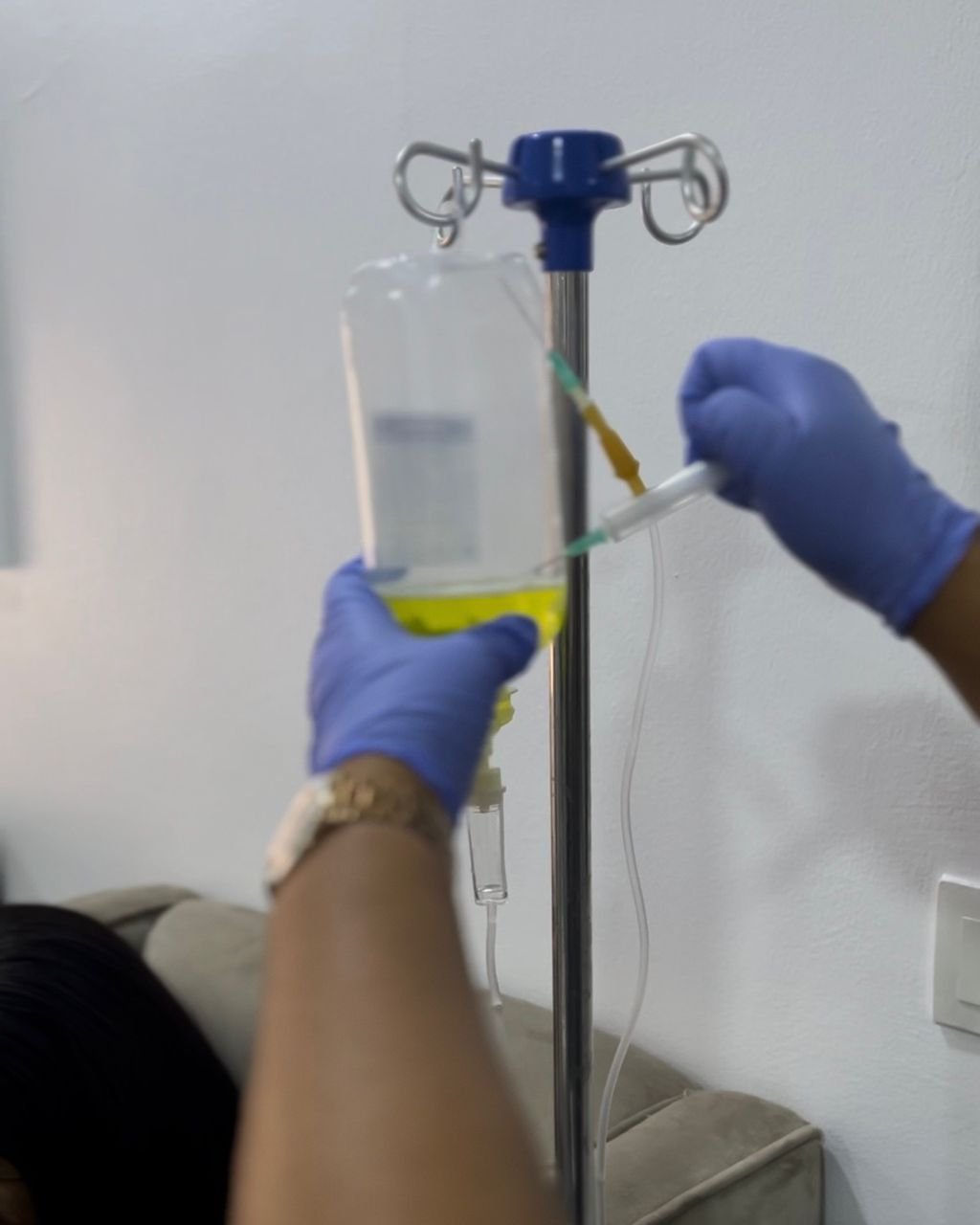
How Does an IV Drip Work?
An IV infusion delivers fluid and dissolved substances directly into a vein.
This allows them to enter the bloodstream without passing through the digestive tract first.
That can be medically useful when someone needs:
- Fluid replacement
- Certain medications
- Specific nutrients
- Treatment that needs to be administered intravenously
But the fact that something enters the bloodstream directly does not prove that it causes weight loss.
This distinction is important.
Route of administration is not the same thing as evidence of effectiveness.
Can a Skinny Drip Burn Fat?
There is no general rule that an IV vitamin or nutrient mixture will cause the body to burn enough stored fat to produce meaningful weight loss.
You may see terms such as:
- Fat burner
- Metabolism booster
- Lipolytic
- Detox
- Thermogenic
- Slimming
- Body sculpting
These descriptions can sound impressive.
But the relevant question is:
Has the specific IV formulation been shown to produce clinically meaningful weight loss in well-designed human studies?
Without that evidence, the marketing claim should be treated cautiously.
What About B Vitamins?
B vitamins are sometimes included in IV formulations marketed for weight management.
They have important roles in normal energy metabolism.
But this does not mean that giving someone extra B vitamins through an IV automatically causes their body to burn more stored fat.
If you have a genuine vitamin deficiency, correcting it can be medically important.
That is different from using high-dose vitamins as a proven obesity treatment.
Having an important role in metabolism does not make a nutrient a weight-loss drug.
What About Vitamin B12?
Vitamin B12 is another common ingredient in wellness and “slimming” treatments.
B12 is essential for normal neurological function and blood-cell formation.
But taking B12 when you are not deficient does not turn it into a fat-burning medication.
If you have a documented B12 deficiency, treatment may be appropriate.
The question is whether you need B12, not whether B12 sounds like a useful ingredient for weight loss.
What About L-Carnitine?
L-carnitine is frequently marketed in weight-loss and fitness products because of its role in fatty-acid metabolism.
That does not mean an IV containing L-carnitine is automatically an effective obesity treatment.
The evidence for L-carnitine and weight reduction is considerably less compelling than the evidence supporting established anti-obesity medications.
A marketing claim such as:
“L-carnitine transports fat into the mitochondria, therefore this drip burns fat”
is an oversimplification.
Human weight loss depends on much more than one biochemical pathway.
IV therapy at BluOrchid Aesthetics, Lagos
What About MIC Injections and “Fat-Burning” Ingredients?
You may also encounter terms such as MIC, lipotropic, or “fat-burning” injections and IV combinations.
These products are often marketed around ingredients such as:
- Methionine
- Inositol
- Choline
- B vitamins
The presence of these ingredients does not establish that an IV cocktail will produce clinically meaningful weight loss.
If a clinic is selling a treatment specifically as a weight-loss intervention, you should be able to ask:
What clinical evidence supports this exact treatment for weight loss?
Not merely:
“Does each ingredient have a role in the body?”
What About Glutathione?
Glutathione is another ingredient commonly encountered in IV wellness clinics.
It has important biological functions as an antioxidant.
But that does not make intravenous glutathione a proven weight-loss treatment.
If a drip contains glutathione, that does not mean the drip has been demonstrated to remove body fat.
Again, the distinction is between:
biological function
and
proven clinical weight-loss effect.
Can an IV Drip Make the Scale Drop?
Possibly, but that does not necessarily mean you have lost body fat.
If someone receives fluids and then experiences changes in hydration or fluid balance, their weight can fluctuate.
The same scale can also change because of:
- Water
- Food in the digestive tract
- Sodium intake
- Bowel movements
- Menstrual cycle
- Exercise
- Hydration
A change on the scale is not automatically a change in body fat.
This is particularly important when evaluating treatments marketed as “rapid weight loss.”
Why the “Detox” Claim Can Be Misleading
Skinny drips are sometimes marketed as detox treatments.
But your body already has sophisticated systems for processing and eliminating waste.
Your:
- Liver
- Kidneys
- Lungs
- Gastrointestinal tract
all play important roles in maintaining internal balance and eliminating waste products.
An IV containing vitamins does not automatically “flush toxins” from your body.
If you have a specific medical problem affecting your liver, kidneys or another organ, that requires medical assessment rather than a generic detox drip.
What About Feeling More Energetic After a Drip?
Some people report feeling better or more energetic after an IV treatment.
That experience may be real.
But feeling better after an infusion is not the same thing as losing body fat.
For example, someone who was dehydrated may feel better after receiving appropriate fluids.
Someone with a nutritional deficiency may feel better after receiving appropriate treatment.
Someone may also simply enjoy the experience of a wellness treatment.
None of those outcomes proves that the treatment is an effective obesity medication.
Is IV Weight Loss Better Than Mounjaro?
These are fundamentally different interventions.
Mounjaro contains tirzepatide, a prescription medication that acts on GIP and GLP-1 pathways.
Tirzepatide has been studied extensively for metabolic disease and weight management.
A “skinny drip” may contain vitamins, nutrients or other ingredients whose role in weight loss is much less established.
So the comparison should not be:
“Which one burns fat faster?”
It should be:
“Which treatment has evidence for the medical problem I am trying to treat?”
For people who meet clinical criteria for pharmacological weight management, evidence-based anti-obesity medications may be considered as part of a broader treatment plan.
Does IV Therapy Have Any Legitimate Uses?
Absolutely.
The problem is not that IV therapy exists.
The problem is using IV therapy for claims that have not been adequately demonstrated.
IV treatment can have legitimate medical applications, depending on the patient’s condition and the substance being administered.
For example, intravenous therapy can be used when a patient needs:
- Specific medications
- Fluid replacement
- Certain nutritional therapies
- Treatment that cannot appropriately be administered orally
The indication matters.
A medically indicated IV treatment is very different from an IV wellness cocktail marketed as a shortcut to weight loss.
What Are the Risks of IV Weight-Loss Drips?
An IV is not risk-free simply because the ingredients are vitamins.
Possible complications can include:
- Pain at the injection site
- Bruising
- Inflammation of the vein
- Infection
- Allergic or infusion reactions
- Fluid-related complications
- Medication or ingredient-specific adverse effects
There is also the possibility of receiving an unnecessary treatment or an inappropriate dose.
And when several ingredients are combined into a single IV cocktail, it becomes especially important to know exactly what is being administered.
“It’s Just Vitamins” Isn’t a Sufficient Safety Argument
This phrase deserves scrutiny.
Vitamins are biologically active substances.
More is not always better.
Some vitamins can accumulate in the body or cause adverse effects at excessive doses.
Other ingredients can interact with medications or be inappropriate for people with certain medical conditions.
The fact that an ingredient is naturally present in the body does not mean that high-dose intravenous administration is automatically harmless.
What Should You Ask Before Getting a Skinny Drip?
Before paying for an IV marketed for weight loss, ask:
What exactly is in the drip?
You should be given the ingredient list.
What dose of each ingredient is being administered?
“Vitamin infusion” is not enough information.
What is the evidence that this exact formulation causes weight loss?
Ask for clinical evidence, not testimonials.
Is the treatment being used for a diagnosed deficiency or another medical indication?
If not, understand what the actual proposed benefit is.
Who is administering the IV?
IV therapy should be provided in an appropriate clinical environment by appropriately trained healthcare professionals.
What are the risks?
You should be told about relevant contraindications and adverse effects.
What happens if I have a reaction?
A clinic providing IV therapy should have appropriate procedures for managing complications.
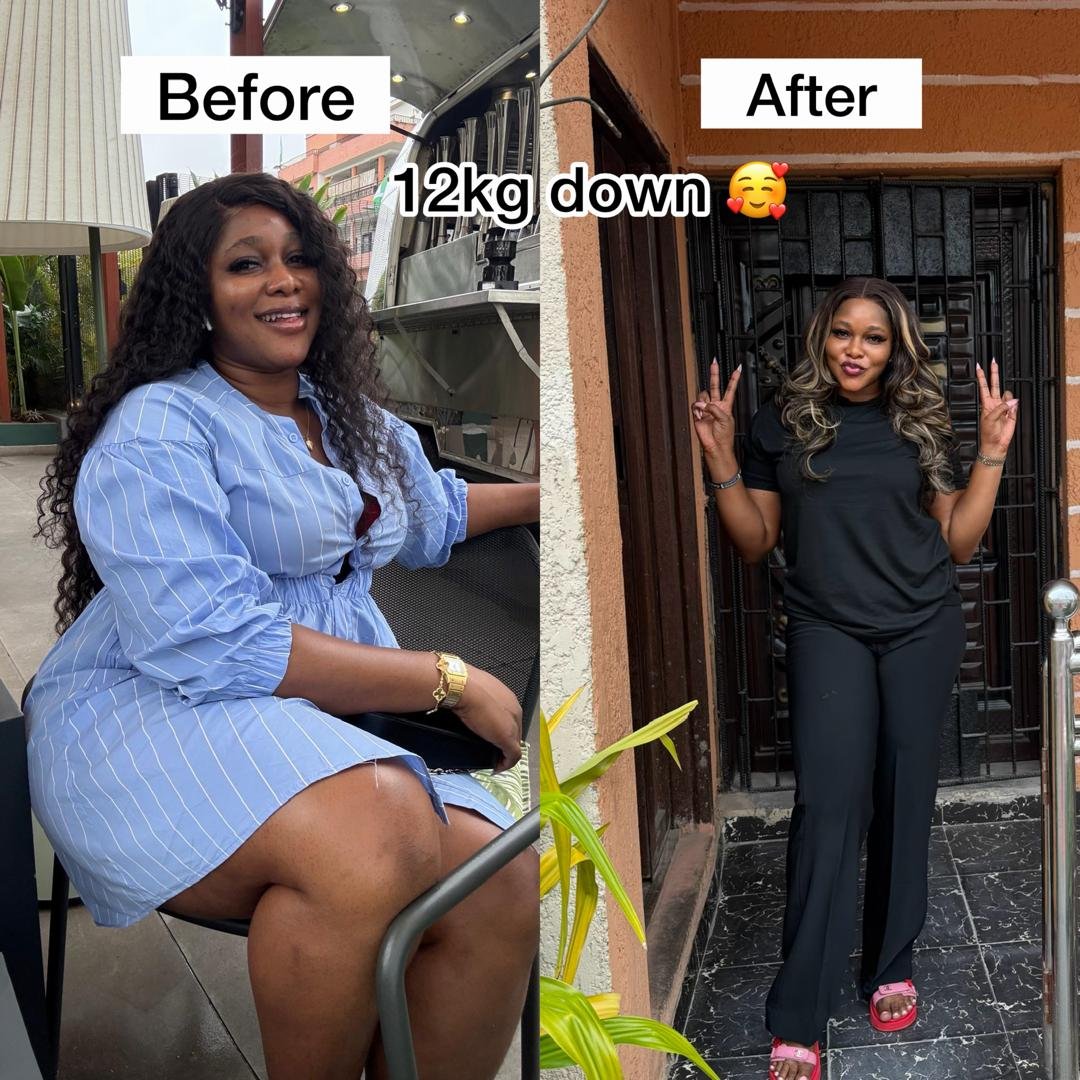
What If You Want to Lose 5, 10 or 20 kg?
This is where the conversation needs to move beyond wellness marketing.
If you have clinically significant excess weight, a proper medical assessment can look at:
- Current weight
- Height and BMI
- Waist circumference
- Blood pressure
- Blood glucose
- Medical history
- Current medications
- Eating patterns
- Physical activity
- Sleep
- Previous weight-loss attempts
- Your goals
From there, your clinician can determine whether lifestyle intervention alone is appropriate or whether prescription medical weight management should be considered.
Evidence-Based Medical Weight Management
Depending on the individual, treatment may involve:
Nutrition
A sustainable eating pattern designed around adequate nutrition rather than extreme restriction.
Physical activity
Including cardiovascular activity and resistance training.
Behavioural support
Addressing eating patterns, sleep, stress and the practical barriers that affect long-term adherence.
Prescription medication
For people who meet the appropriate criteria, anti-obesity medications may be considered.
Monitoring
Weight is only one measure.
Your clinician may also monitor waist circumference, blood pressure, blood glucose, cholesterol, side effects and other relevant health markers.
This is a very different model from booking a weekly drip and hoping the scale moves.
What About People Who Are Already Slim?
This is particularly important.
If you are already at a healthy weight but want to lose a few kilograms for aesthetic reasons, an aggressive weight-loss treatment may not be appropriate.
Trying to push your weight lower simply because a drip promises rapid results can create more risk than benefit.
Your clinician should consider whether further weight loss is actually medically appropriate.
Sometimes the better goal is:
body composition rather than lower body weight.
That may involve resistance training, nutrition, sleep and addressing a specific contour concern rather than trying to make the scale smaller.
Skinny Drips vs Body Contouring
These are also different.
A body-contouring treatment may target a localised area of fullness or muscle tone.
A weight-management treatment addresses excess body weight and associated metabolic health.
An IV drip marketed as a slimming treatment should not automatically be considered either.
The right treatment depends on the actual problem.
What If the Drip Contains a Medication?
This changes the conversation.
A clinic may administer an actual medication intravenously for a legitimate medical indication.
That is different from a vitamin cocktail.
If a treatment contains a prescription medication, you should know:
- The medication name
- The indication
- The dose
- Why it is being administered intravenously
- Expected benefits
- Potential risks
- Alternatives
A patient should not have to rely on a treatment’s marketing name to understand what is going into their bloodstream.
The Bottom Line
Skinny drips are not a magic route to weight loss.
An IV can be an appropriate medical treatment when there is a legitimate indication.
But adding vitamins, amino acids or other ingredients to an IV does not automatically turn the infusion into an evidence-based fat-loss treatment.
If your goal is meaningful, sustained weight loss, the more useful question is:
“What evidence-based treatment is appropriate for my weight and health?”
That may involve nutrition and exercise.
It may involve medical weight management.
For some patients, prescription medication may be appropriate.
And sometimes the most important first step is finding out whether you actually need to lose weight at all.
A drip should not replace a diagnosis.
Frequently asked questions
Do skinny drips actually help you lose weight?
There is no single standardised “skinny drip,” and the effectiveness depends on its ingredients. Vitamins and nutrients with roles in normal metabolism should not automatically be considered proven weight-loss treatments.
What is usually in a skinny drip?
Formulations vary. Some may contain vitamins, minerals, amino acids or other ingredients marketed for metabolism or energy. Always ask the clinic for the exact ingredient list and doses.
Can B12 IV help with weight loss?
B12 is important for normal health and metabolism, particularly when someone is deficient. But B12 itself is not an established fat-burning medication.
Does L-carnitine in an IV burn fat?
L-carnitine is involved in fatty-acid metabolism, but that biological role does not prove that an IV containing L-carnitine will produce clinically meaningful weight loss.
Can IV fluids make you lose weight?
A change in body weight after an infusion may reflect changes in fluid balance rather than loss of body fat.
Is a skinny drip safer than Mounjaro?
They are not directly comparable. Mounjaro is a prescription medication with an established pharmacological mechanism and clinical evidence for its approved uses. A “skinny drip” can contain many different formulations, so its risks and benefits depend on exactly what is being administered.
Can skinny drips replace diet and exercise?
No. An IV wellness treatment should not be presented as a replacement for sustainable nutrition and physical activity.
Can I get a skinny drip every week?
The fact that a clinic offers repeated treatments does not establish that repeated IV therapy is necessary or beneficial for weight loss. The ingredients, doses, indication and your health should be assessed first.
Are IV vitamin drips safe?
IV therapy has potential complications, including infection, vein irritation, allergic reactions and ingredient-specific adverse effects. Safety depends on the formulation, dose, indication and clinical setting.
What is better for significant weight loss: a skinny drip or medical weight management?
If you have clinically significant overweight or obesity, evidence-based medical weight management is more appropriate than relying on an IV wellness cocktail marketed for slimming.
Can I use a skinny drip if I am already taking Mounjaro?
Do not assume that combining treatments is safe simply because one is a vitamin infusion. Tell your clinician about every medication and IV treatment you are receiving before combining them.
Do skinny drips detox the body?
“Detox” is primarily a marketing term in this context. Your liver and kidneys already perform important functions involved in processing and eliminating waste.
Considering Medical Weight Management in Lagos?
If you are considering a skinny drip because you want to lose weight, it is worth finding out whether you actually need an IV treatment, and what evidence supports it.
A proper medical weight-management assessment can look at your current weight, health, eating patterns, medications and goals before recommending treatment.
Book a Consultation to discuss your options.
- Medical Weight Loss in Lagos: weightloss
- Mounjaro Weight Loss Plateau: blog mounjaro weight loss plateau
- What to Eat on Mounjaro: blog what to eat on mounjaro
- Treatment Cost Estimator: treatment cost estimator
- Book a Consultation: consultation
A consultation at BluOrchid begins with exactly this assessment.
One hour with our doctors. An honest assessment. A plan built around you. ₦50,000, credited in full toward your first treatment.
Book your consultation Doctor-led assessment at Lekki Phase 1, Lagos.